
Vegetables
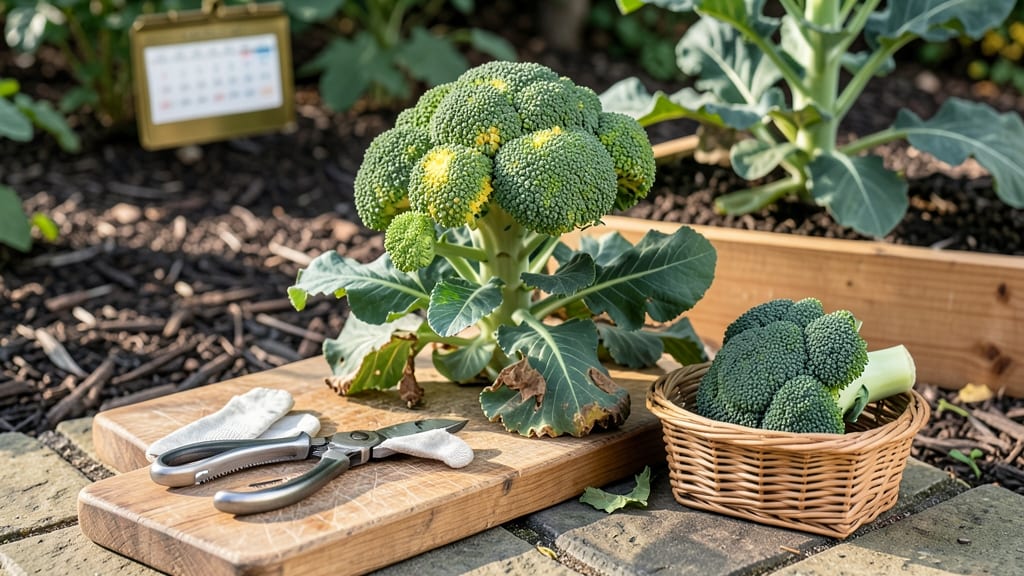
Harvesting broccoli too late turns your crisp, flavorful 🥦 crowns into bitter, woody stalks that ruin even the best recipes.
You’ve nurtured your plants for weeks, only to wonder: When does the clock run out? The answer isn’t just about days on the calendar—it’s about the subtle shifts in color, texture, and even the way the florets feel under your fingers.
Missing the window by even a few days can mean the difference between a vibrant side dish and something that tastes like overcooked cardboard. But here’s the good news: with a few simple checks, you can still salvage great harvests—or at least know when to pull the plug.
Below, I’ll walk you through the 5 key signs that tell you it’s past prime, plus how to stretch your broccoli’s harvest season just a little longer.
5 Clear signs it’s too late to harvest broccoli (before it gets bitter)
Harvesting broccoli at the right moment is crucial—wait too long, and you’ll end up with bitter, woody florets that ruin even the most delicious homegrown meals. The key is recognizing subtle but critical visual and textural cues that signal your broccoli has passed its prime.
These signs aren’t always obvious, so let’s break down what to watch for before quality declines.
Broccoli’s ideal harvest window is typically 50 to 60 days after transplanting, but environmental factors like temperature, sunlight, and moisture can shift this timeline. Once the plant starts showing stress signals, the clock runs out fast.
Understanding these 5 clear warning signs will help you avoid the disappointment of overripe, inedible heads.
When the tiny yellow flowers start peeking out from between the florets, it’s a red flag. These buds signal the plant is shifting from vegetative growth to seed production, making the broccoli woody and bitter. Harvest immediately if you spot even one open bud.
A firm, crisp stem is ideal, but if it turns hard and fibrous, your broccoli has overmatured. Run your thumb along the stalk—if it feels like dry kindling, the florets will be tough and unpalatable. This happens when the plant redirects energy to seed production instead of edible tissue.
Fresh broccoli florets should be a deep, vibrant green. If they start turning yellow, brown, or dull, chlorophyll breakdown has begun. This color change indicates oxidation and reduced nutrient density, making the broccoli less flavorful and more prone to spoilage.
A tennis ball-sized head (about 3-4 inches wide) is perfect for harvesting. If your broccoli grows larger than a softball, it’s overripe. Oversized florets develop tougher textures and hollow centers, losing their signature crunch and sweetness.
While lower leaves naturally yellow as the plant matures, sudden wilting or widespread yellowing of healthy-looking leaves signals stress or disease. This often coincides with poor nutrient uptake in the florets, leading to bitter, stringy broccoli. Check for pests or fungal issues if this happens.
Once you notice these signs, your broccoli is past its prime, but don’t despair—some varieties can still produce side shoots if cared for properly. The key is acting fast: cut the main head at the base and monitor the plant for new growth.
However, if the entire plant looks leggy, diseased, or exhausted, it’s time to pull it and compost it to avoid spreading issues to other crops.
Pro tip: Harvest in the morning when temperatures are cooler. This ensures the broccoli retains its crispness and sweetness longer, even if you’re just a day late. Store harvested broccoli in the crisper drawer of your fridge for up to 5 days to slow down further quality decline.
Understanding these 5 warning signs will save you from the disappointment of bitter, inedible broccoli and help you maximize your garden’s yield. Next time you’re checking your plants, keep these cues in mind—your taste buds will thank you!
How long can you wait after missing the perfect harvest window?
Missed the ideal harvest window for your broccoli? Don’t panic—you still have options. Most varieties give you a 3-5 day grace period after the perfect harvest time before quality drops.
During this window, you can often salvage the main head or encourage side shoots for a second harvest. The key is acting fast and checking for subtle signs of overmaturity.
Once the central florets start opening into yellow flowers, the plant’s energy shifts from producing food for you to making seeds. This is your last chance to harvest before the bitterness spikes and texture turns woody.
For Calabrese varieties, this window is slightly longer (up to 7 days) compared to smaller types like Romanesco.
| Stage | Action | Quality Impact |
|---|---|---|
| 0-3 Days Late | Harvest main head + prune for side shoots | Minimal quality loss |
| 4-7 Days Late | Harvest side shoots only (main head may be bitter) | Mild bitterness in main head |
| 7+ Days Late | Pull plant entirely or compost | Severe bitterness, woody texture |
| Flowering Stage | Remove entire plant (prevents reseeding) | Inedible, seed production begins |
If you catch your broccoli within the first 48 hours of missing the window, cut the main head at a 6-inch stem and watch for side shoots to emerge from the leaf axils.
These smaller heads take 5-7 weeks to form but can give you a second harvest. Remove any yellowing leaves to redirect the plant’s energy to new growth.
For storage, overripe broccoli lasts only 2-3 days in the fridge—far shorter than peak-picked heads. Wrap stems in a damp paper towel and store in a perforated plastic bag to slow moisture loss.
If you’re unsure about quality, blanch and freeze the florets immediately to preserve nutrients, even if they’re slightly bitter.
When the central stem becomes hollow or the leaves yellow en masse, it’s time to pull the plant. Leaving it too long attracts pests like cabbage worms and spreads diseases to nearby Brassica plants.
Compost the entire plant if it’s healthy, or discard if pests are present to avoid garden contamination.
Pro tip: Mark your planting dates and set reminders for harvest windows based on your USDA zone. For spring broccoli, aim to harvest 60-70 days after transplanting, while fall varieties may take 70-80 days. A little planning prevents the "too late" panic next season! 🌱