
Vegetables
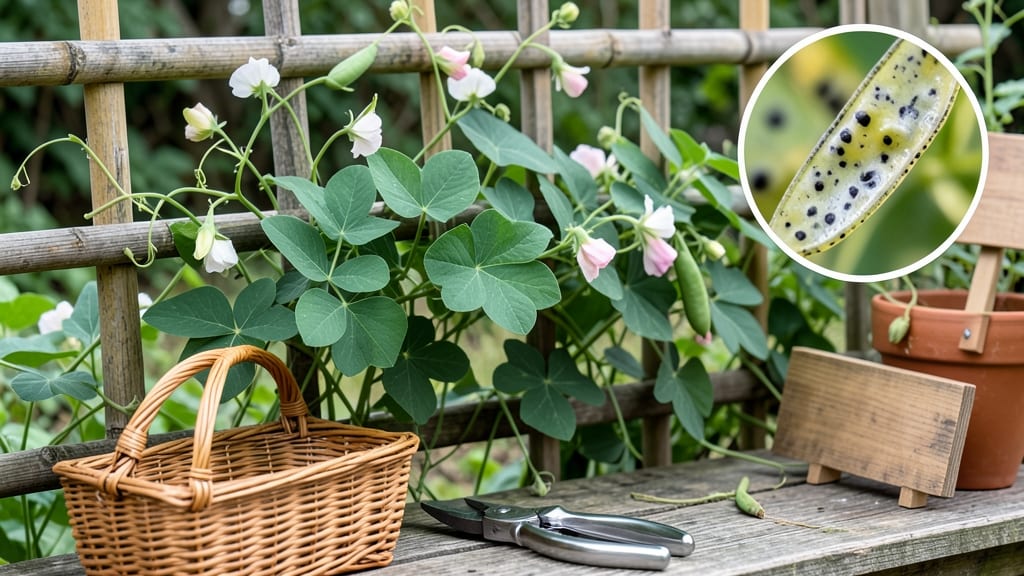
Harvesting black-eyed peas at the right time turns a handful of pods into a flavor-packed feast—but miss the window, and you’re left with tough, stringy messes.
Picture this: you’ve waited months for your 🌱 black-eyed peas to thrive, only to snap open a pod and find the peas still tiny or the shell so hard it cracks your teeth.
The key? Watching for pods that are 3-5 inches long, a deep green color, and just starting to bulge—but not yet bursting.
In USDA Zone 6a, that’s usually July through September, but heat and variety matter. A late spring planting might push harvest into early fall, while cooler summers could delay it.
I’ll walk you through the exact visual cues, from seed visibility to stem flexibility, so you never guess again.
You’ll also learn how to stretch your harvest window, avoid common mistakes (like waiting for pods to turn yellow), and even save seeds for next year. Let’s get those peas picked at their peak!
How to identify black eyed peas ready for harvest by pod size and color
Harvesting black-eyed peas at the right moment transforms your garden into a flavor powerhouse. The key lies in watching for pod size and color changes—two clear signs your peas are ready. When pods reach 3-5 inches and turn a deep, rich green, they’re typically perfect for picking.
But don’t wait too long, or those tender pods will toughen up faster than you can say "Southern comfort food."
Start checking your plants about 60 days after sowing, when pods begin swelling noticeably. Early in the season, pods might look light green and shriveled—this means they’re not ready yet.
Patience is key; rushing the harvest can leave you with underdeveloped peas that lack sweetness and texture. Think of it like waiting for the perfect ripe tomato—timing makes all the difference!
Here’s the visual guide you’ve been waiting for to nail your harvest timing:
| Stage | Pod Size | Pod Color | Seed Development | Harvest Ready? |
|---|---|---|---|---|
| Early Growth | Under 1 inch | Pale green | No visible seeds | ❌ No |
| Developing | 1-2 inches | Light to medium green | Seed eyes visible | ⚠️ Almost |
| Peak Harvest | 3-5 inches | Dark green | Firm seeds, not bulging | ✅ Yes! |
| Overripe | 5+ inches | Dull green/yellowing | Hard, bulging seeds | ❌ Too late |
When pods hit that 3-5 inch sweet spot, they should feel slightly plump but still tender when you gently squeeze them. If they’re rock-hard, you’ve missed your window—those peas will be tough and mealy.
Pro tip: Snap a stem near the pod; if it breaks cleanly, your peas are ready. This simple test saves you from harvesting too early or too late!
Color is your next best friend. Dark green pods signal maturity, while lighter shades mean more time in the garden. Watch for pods that develop a slightly waxy sheen—this indicates peak ripeness.
Avoid harvesting when pods start turning yellow or brown, as this means the peas inside have hardened and lost flavor. Think of it like waiting for coffee beans to roast perfectly—too soon, and they’re bland; too late, and they’re bitter.
Don’t overlook the seed development stage inside those pods. When you can see the black-eyed peas clearly through the pod but they’re not yet pushing against the sides, that’s your cue to harvest. If the seeds look like they’re about to burst out, you’ve waited too long.
For variety lovers, 'Purple Hull' peas will show their purple hue at this stage, while 'Crowder' peas stay green but develop a slightly darker tint.
Troubleshooting premature pods? If your plants are producing small pods that never swell, check your soil nutrients. A light application of nitrogen-rich fertilizer can encourage better pod development. Conversely, if pods are oversized and woody, you’ve likely missed the harvest window.
In this case, save the seeds for next year’s garden instead of eating them—they’ll still be viable!
Harvesting in the morning after dew has dried gives you the freshest pods. Use sharp scissors or pruners to snip stems just above a leaf node, leaving the plant to produce more pods.
This method encourages continuous harvests throughout the season. Remember, black-eyed peas are a bush-type legume, so they won’t keep producing like vining varieties—harvest regularly to avoid overripe pods taking over your plants.
Once you’ve mastered these visual cues, you’ll be harvesting black-eyed peas like a pro. The reward? Tender, flavorful pods that shine in salads, soups, or your favorite Southern dishes.
Keep an eye on your plants, and soon you’ll have a steady supply of homegrown goodness straight from your garden to your table! 🌱
Black eyed pea harvesting schedule by variety and growing conditions
Not all black-eyed pea varieties mature at the same time, and your local climate plays a huge role in when to harvest. In USDA Zone 6a, the 75-day rule applies to most varieties—but heat waves or cool springs can shift that window by 2-3 weeks.
For example, 'Crowder' peas typically hit peak harvest 60-65 days after planting, while 'Purple Hull' varieties may take 70-75 days.
Warm-season growers like me in Southern climates often enjoy a longer harvest window (July through September), while Northern gardeners might need to rush before early fall frosts. The key is tracking pod development alongside your planting date—don’t rely solely on calendar months.
| Variety | Days to Maturity | Harvest Window (Zone 6a) | Climate Notes |
|---|---|---|---|
| 'Crowder' | 60-65 days | Late July - Early August | Early maturing; thrives in heat |
| 'Purple Hull' | 70-75 days | Early August - Mid-September | Needs consistent warmth |
| 'Black Valentine' | 55-60 days | Late June - Early July | Fastest producer; great for short seasons |
| 'Texas Cream' | 65-70 days | Mid-July - Late August | Drought-tolerant; extends harvest |
📅 7-Day Harvest Window Tip: Pick every 3-4 days during peak season to encourage more pods!
If you planted late spring (after May 15), expect your harvest to shift 2-3 weeks later. For example, my 'Crowder' peas planted May 20th were ready by August 5th instead of July 20th.
Conversely, early plantings in cool springs may need extra warmth—consider using row covers to speed up maturity.
Watch for pod color shifts: mature pods darken from light green to deep green or purple (for hull varieties). But don’t wait for color alone—always check pod size (3-5 inches) and stem flexibility. Overripe pods turn yellow and develop hard, woody shells, making them inedible.
Pro tip: Harvest in the morning when pods are cool and crisp. Use hand shears to snip stems cleanly—this prevents disease and encourages more pods to form. Store harvested peas in the fridge for 3-5 days or freeze them for long-term storage.
For extended harvests, try succession planting: sow new seeds every 2 weeks from April through June. This ensures a steady supply from July through September, even if your first batch bolts early. Just remember: black-eyed peas hate cold—stop planting 6 weeks before frost.