
Vegetables
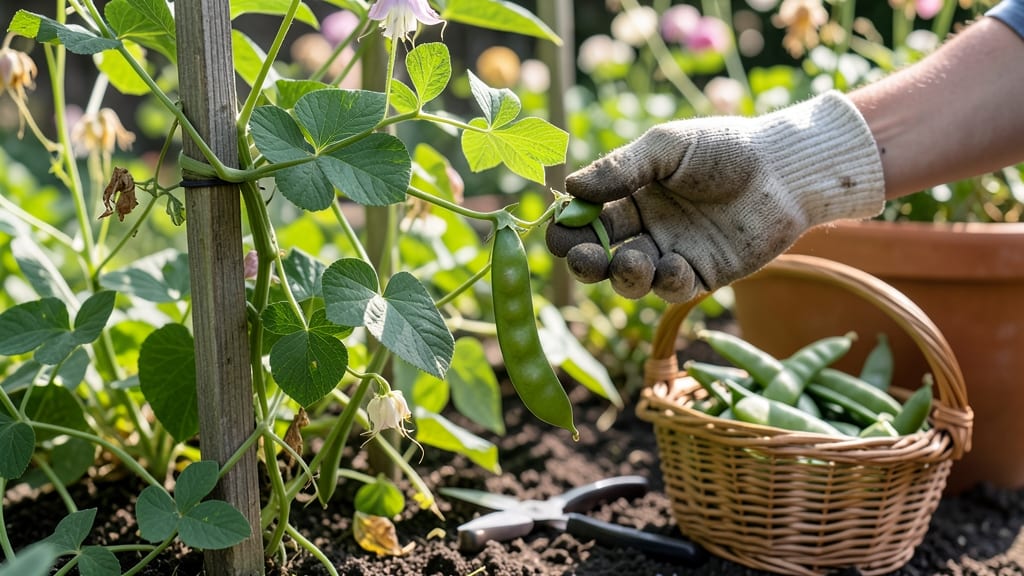
Harvest purple hull peas when pods crack open and seeds bulge inside 🌱 — that’s the sweet spot for flavor and yield.
Picture this: you’re in your garden, and those deep purple pods are swelling just right. One wrong move, and you’ll miss the window, ending up with shriveled peas or pods that split open, scattering seeds everywhere. Timing is everything, and I’ll show you exactly how to nail it.
These peas thrive in USDA Zone 6, where they’re ready to pick between July and August, about 60-75 days after planting. But don’t just guess—look for firm, glossy pods that feel plump to the touch. That’s when they’re bursting with the best taste and texture.
Below, I’ll break down the visual cues, the best harvesting techniques, and what happens if you wait too long. You’ll learn how to keep your plants productive and your peas delicious, every time.
How to identify purple hull peas at peak harvest readiness
Timing is everything when harvesting purple hull peas. These sweet, tender pods reach their peak flavor and texture at a very specific stage—just before they crack open and scatter seeds.
The key is watching for visual cues that signal perfect readiness, like the pods turning a deep, rich purple and feeling firm to the touch. Ignore these signs, and you might end up with tough, dry peas or empty pods that burst open too soon.
Start by checking the pod length. At harvest time, purple hull peas should measure between 2 to 3 inches. This is your first clue that the peas inside are plump and ready to eat.
If the pods are shorter than 1.5 inches, they’re still too young, and the peas inside will be underdeveloped. On the flip side, pods longer than 3 inches may start to dry out, leading to tougher peas and potential seed loss.
Here’s a quick reference to spot peak harvest readiness at a glance:
| Cue | Description | Action |
|---|---|---|
| Pod Length | 2–3 inches long | Harvest immediately |
| Pod Color | Deep purple, glossy | Peak flavor and texture |
| Pod Texture | Firm but not hard | Ideal for shelling |
| Seed Bulge | Seeds visibly bulge inside pod | Harvest within 1–2 days |
| Squeeze Test | Gives slightly when pressed | Ready for picking |
The seed bulging inside the pod is one of the most reliable signs of readiness. When you hold a pod up to the light, you’ll see the peas pressing against the shell—this means they’re fully developed but haven’t started to dry out.
If you wait too long, the pods will crack open naturally, releasing seeds and leaving you with empty shells. This is nature’s way of telling you it’s time to harvest!
Don’t rely solely on visual cues—perform a quick squeeze test to confirm readiness. Gently press a pod between your thumb and forefinger. If it feels firm but yields slightly, it’s perfect for picking.
A pod that’s too hard or too soft is a red flag. Hard pods mean the peas are overripe, while soft pods indicate they’re still immature. Both scenarios will compromise flavor and texture.
Another foolproof method is the shake test. Hold a pod close to your ear and give it a gentle shake. If you hear a faint rattle from the peas inside, they’re ready to harvest.
This sound comes from the peas moving freely within the pod, signaling they’re plump and juicy. Skip this step, and you might miss the sweet spot where flavor and tenderness peak.
Harvesting at the right time isn’t just about taste—it’s also about encouraging more production. When you pick pods at their prime, you’re telling the plant to focus its energy on growing new pods rather than letting old ones dry out.
This keeps your purple hull pea plants productive throughout the season, giving you a steady supply of fresh peas. Plus, well-timed harvesting reduces the risk of pests and diseases that thrive in overripe or damaged pods.
Regional growing conditions can slightly alter the timing, but the visual and physical cues remain consistent. In warmer climates, pods may mature faster, so check them every 2–3 days starting around 60 days after planting.
In cooler areas, extend your checks to every 3–4 days, as pods may take closer to 75 days to reach peak readiness. Always prioritize the cues over a calendar, as weather and soil conditions play a big role.
Once you’ve mastered these techniques, harvesting purple hull peas becomes second nature. The key is to act quickly once you spot the signs—don’t let perfectionism lead to missed opportunities. With practice, you’ll develop an eye for spotting pods at their absolute best, ensuring a bountiful harvest every season.
Best practices for harvesting purple hull peas without losing yield
Harvesting purple hull peas at the right time isn’t just about timing—it’s about technique too. I’ve learned that hand-picking pods is gentler than cutting stems, but both methods work if done correctly.
The key is to harvest every 2-3 days during peak production to keep your plants focused on new pods instead of over-maturing.
Start by checking pods for firmness and size. They should be about 2-3 inches long and feel crisp when lightly squeezed. If they’re too soft or already splitting open, you’ve missed the window.
I always harvest in the morning when pods are cool and firmest, which helps preserve their quality.
Use sharp pruning shears or your fingers to avoid damaging the plant. For hand-picking, gently twist pods off the vine—this minimizes stress on the plant. If using shears, cut stems at a 45-degree angle just above a leaf node to encourage bushier growth.
Never yank pods off, as this can rip the vine and reduce future yields.
⚠️ Watch for These Harvest Red Flags
If pods turn dull purple or feel shriveled, they’ve passed their prime. Overripe pods will crack open, scattering seeds and leaving you with tough, mealy peas. Harvest frequency is critical—missed pods won’t magically improve, and the plant will redirect energy to seed production instead of new pods.
Store freshly harvested pods in a paper bag in the fridge for up to 5 days. For longer storage, shell peas immediately and freeze them in airtight containers. I’ve found that vacuum-sealing preserves flavor and texture for months. Avoid washing pods before storage, as moisture speeds up spoilage.
One common mistake I see is harvesting inconsistently. Skipping days means pods mature unevenly, leading to a mix of perfect and overripe peas. Another pitfall is harvesting too aggressively—never take more than 30% of pods at once, or you’ll stress the plant.
Balance is key to maintaining a steady harvest all season.
After harvesting, give your plants a light fertilizer boost with a 5-10-10 mix to replenish nutrients. This keeps them productive for 4-6 weeks longer. I also mulch around the base to retain moisture and prevent soil-borne diseases.
With these practices, you’ll maximize yield and enjoy fresh purple hull peas all summer long.