
How To
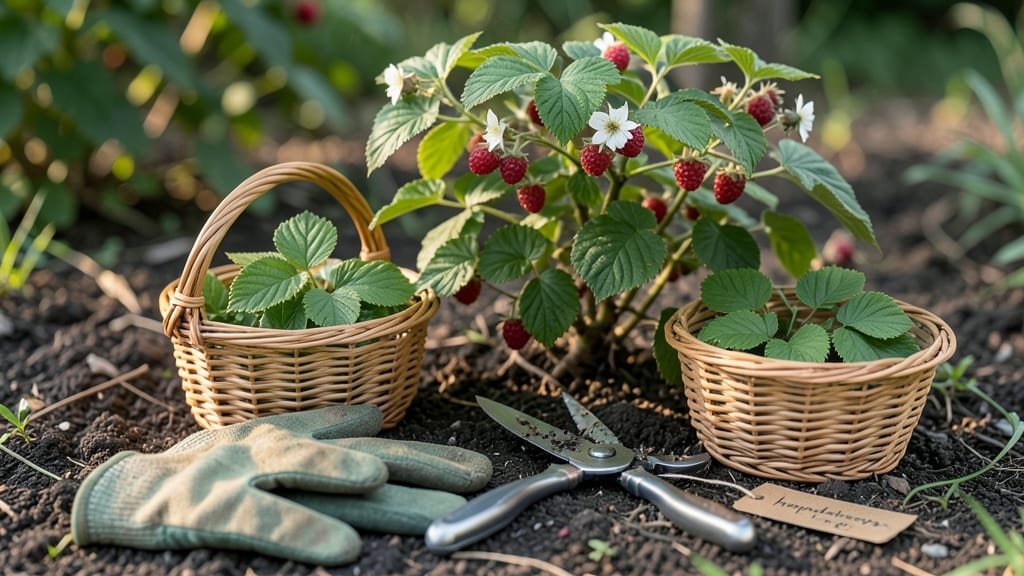
Harvesting raspberry leaves at the right time ensures you get the most flavorful and nutrient-packed foliage 🍇 — and skipping the key window means bitter, tough leaves that ruin teas or salads.
You might assume any leaf works, but timing matters more than you’d think. Too early, and the leaves taste sharp; too late, and they lose their delicate texture and health benefits. The difference between a mild, sweet infusion and a disappointing brew comes down to a few simple checks.
In Zone 6a, the best window opens in early summer—around June—when leaves are fully mature but before flowering begins. That’s when they’re richest in antioxidants, vitamin C, and iron, making them perfect for teas, soups, or even pest-repellent sprays.
Below, I’ll walk you through three easy tests to confirm readiness, plus how to harvest without harming your plants. No guesswork, just science-backed timing for the best results.
3 Non-destructive tests to determine raspberry leaf harvest readiness
Harvesting raspberry leaves at the right time ensures maximum flavor and nutrient content without compromising your plant's health. The key lies in understanding three simple, non-destructive tests that reveal when leaves reach peak maturity.
These methods let you assess readiness without damaging the plant, making them perfect for both beginners and seasoned growers.
First, focus on the visual maturity indicators that signal optimal harvest timing. Raspberry leaves go through distinct growth stages, and knowing which stage delivers the best quality makes all the difference. Unlike fruit harvesting, leaf quality depends more on growth phase than seasonal timing alone.
Here’s how to apply these tests in your garden with confidence:
Check for deep green, glossy leaves with no yellowing or browning. Avoid harvesting leaves that appear pale or dull, as these often indicate stress or poor nutrient levels.
Gently rub a leaf between your fingers. Ready leaves feel soft and slightly waxy, while overmature leaves become tough or leathery. Avoid harvesting leaves that feel brittle or dry.
Harvest leaves when the plant is in active vegetative growth but before flowering. Look for new, fully expanded leaves on the current season’s canes—these are the most flavorful and nutrient-dense.
Timing your harvest based on these three non-destructive tests ensures you collect leaves at their nutritional peak. The leaf color test helps you avoid immature or stressed foliage, while the texture check prevents harvesting leaves that have become tough or woody.
Finally, the growth stage indicator guarantees you’re picking leaves before the plant diverts energy to fruit production.
For best results, prioritize harvesting in the early morning when leaves are hydrated and packed with nutrients. This timing also minimizes stress on the plant, allowing it to recover quickly and continue producing new growth. Always use clean, sharp scissors to avoid tearing leaves, which can invite pests or diseases.
If you’re unsure whether a leaf is ready, perform a quick taste test—a small bite can reveal if the flavor is mild and sweet or bitter and astringent.
Bitter leaves usually indicate they’re either too young or past their prime. This simple test is especially useful for first-time harvesters building their confidence in leaf assessment.
Remember, raspberry leaves regrow quickly, so you can harvest up to one-third of the plant’s foliage without causing long-term harm. Focus on the youngest, healthiest leaves first, as these are the most tender and nutrient-rich.
Avoid harvesting leaves from canes that have already produced fruit, as these will be tougher and less flavorful.
By mastering these three tests, you’ll transform raspberry leaf harvesting from a guesswork task into a precision process that yields the best possible quality. Whether you’re making tea, adding leaves to salads, or using them for medicinal purposes, these methods ensure you’re always harvesting at the perfect moment.
Pro tip: Keep a small harvest journal to track leaf maturity in your specific climate. Note the dates when leaves reach optimal color, texture, and flavor—this will help you predict future harvests with greater accuracy.
Over time, you’ll develop an intuitive sense of when your raspberry plants are ready to give up their most valuable foliage.
Best harvesting practices: when and how to pick raspberry leaves sustainably
Now that you know how to identify ready raspberry leaves, let’s focus on when and how to harvest them sustainably. The right timing—down to the time of day—can make the difference between a delicate, flavorful harvest and one that’s bitter or stressful for your plants.
In Zone 6a, the ideal window opens in early June, just as the plant finishes its spring flush of growth but before flowering begins.
Harvesting at the wrong time of day can also affect quality. Early morning harvests yield the most hydrated, nutrient-rich leaves because dew has settled overnight, and the plant’s sugars are concentrated.
Avoid harvesting in the afternoon heat, when leaves may wilt or develop a harsh, bitter taste due to stress. If you must harvest later in the day, do so in the late afternoon when temperatures begin to drop.
Harvest between 6 AM and 9 AM for peak flavor and nutrients. Avoid harvesting after 2 PM, when leaves may taste bitter due to heat stress.
Always use sterilized pruning shears or scissors to avoid tearing leaves. Dirty tools can introduce diseases or pests to your plant.
Never remove more than one-third of the foliage at once. Focus on younger, outer leaves to encourage bushier growth and protect the plant’s energy reserves.
After harvesting, water the plant deeply to reduce stress. Apply a light mulch around the base to retain moisture and encourage regrowth.
To maximize your raspberry plant’s productivity, pair harvesting with light pruning. Remove any dead, yellow, or diseased leaves immediately after your harvest to improve airflow and reduce pest risks.
If you notice overly sparse foliage after harvesting, consider applying a balanced fertilizer (like 10-10-10) in early summer to support regrowth without encouraging early flowering.
Raspberry leaves regenerate quickly, so you can expect multiple harvests per season if you follow these practices. In Zone 6a, plan for 2-3 harvests between June and early July, spacing them 2-3 weeks apart.
Each time, focus on the newest, healthiest leaves to keep your plant thriving. With consistent care, your raspberry bushes will reward you with abundant, high-quality foliage year after year.
For long-term sustainability, avoid harvesting leaves from fruit-bearing canes—these are already diverting energy to berry production. Instead, prioritize leaves from primocanes (current season’s growth), which are more tender and nutrient-dense. This approach ensures your plant remains healthy while delivering the best possible leaves for teas, salads, or medicinal uses.