
Vegetables
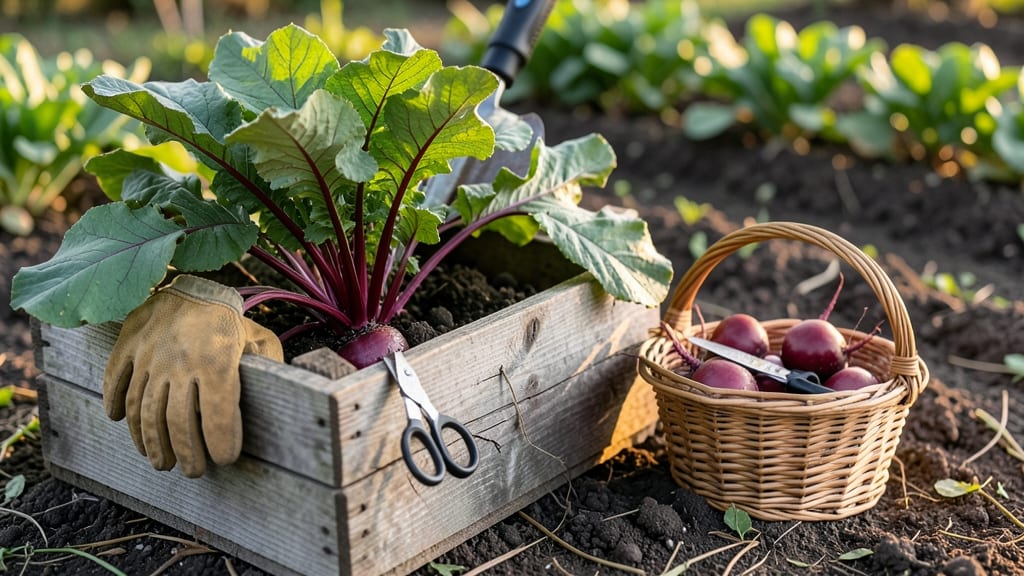
Harvest beetroot when roots reach 1.5–3 inches in diameter and soil cracks slightly when pressed — timing it right ensures tender, sweet roots instead of tough, bitter ones.
Picture this: you’ve nurtured your 🍠 beetroot for weeks, and now the leaves are yellowing just a little at the edges. That’s your cue to dig—if you wait, the roots will bolt or turn woody, ruining your harvest.
Most varieties are ready in 50–70 days, but soil temperature and weather play a role. In USDA Zone 6a, spring-planted beetroot often hits peak flavor by late June, while fall crops may be ready by October.
Below, I’ll show you the soil crack test, how to spot overripe vs. underripe roots, and seasonal tweaks to lock in the best flavor before the first frost.
How to test beetroot maturity using the soil crack method
Harvesting beetroot at the perfect moment ensures sweet, tender roots packed with flavor. The soil crack method is my go-to trick for determining maturity without digging up every plant.
This tactile test combines root size benchmarks with soil resistance to give you a foolproof way to know when your beetroot is ready—typically 60-70 days after planting.
The magic happens when beetroots reach their ideal 1.5–3 inch diameter. At this stage, the roots have developed enough sweetness and texture, but haven’t yet turned woody. The soil crack method lets you test maturity without damaging the plant by gently probing the soil around the base.
This simple technique saves time and prevents over-maturity, which can lead to bitter, fibrous roots.
Here’s how to use the soil crack method like a pro:
Pro tip: The soil crack method works best in well-drained, loose soil. If your soil is compacted or clay-heavy, the test may be less reliable. In such cases, rely on root diameter and leaf color as backup indicators.
For container-grown beetroot, gently squeeze the pot to feel for resistance—mature roots will create slight pressure against the sides.
Timing your harvest with this method ensures you beat bolting risks, which occur when beetroot sense changing daylight and rush to flower. Bolting leads to tough, stringy roots and a bitter taste. By mastering the soil crack test, you’ll consistently harvest beetroot at their peak sweetness and tenderness.
Once you’ve perfected this technique, you can even extend your harvest window by planting successive crops every 2-3 weeks. This staggered approach guarantees a steady supply of fresh, homegrown beetroot all season long. Just remember: consistent soil moisture is key to preventing cracks that could mislead your maturity test.
For variety-specific tips, early maturing types like ‘Detroit Dark Red’ often test ready in 50-55 days, while larger heirlooms like ‘Chioggia’ may need the full 70 days. Always adjust your timing based on both the soil crack test and the variety’s documented maturity range.
🌱
Signs of overripe vs. underripe beetroot (and how to Fix mistakes)
Harvesting beetroot at the wrong stage ruins flavor and texture—underripe roots taste bland and watery, while overripe ones become tough and bitter. The key is checking three things: root size, leaf condition, and skin firmness.
I’ve made this mistake before, and trust me, the difference is night and day.
Start by examining the leaves. Healthy, vibrant green leaves mean your beetroot is still growing. When the outer leaves begin to yellow slightly at the edges (but aren’t completely wilted), that’s your first sign of readiness.
If the leaves are still perky and growing fast, the roots are underripe—give them another week or two.
A 1.5–3 inch diameter is the sweet spot for most varieties. Smaller than 1 inch? Too soon. Larger than 3 inches? You’ve waited too long. I once harvested a 4-inch beetroot and it was as tough as a shoe—not the tender, sweet treat I’d hoped for.
(Harvested Too Late)
- ✖ Woody texture (hard to cut)
- ✖ Bitter taste (less sweet)
- ✖ Cracked skin (dried out)
- ✖ Leaves wilted (dried up)
- ✔ Fix: Harvest earlier next time; thin seedlings to reduce competition.
(Harvested Too Early)
- ✖ Soft, watery (mushy texture)
- ✖ Mild flavor (not sweet)
- ✖ Small size (<1 inch diameter)
- ✖ Bright green leaves (still growing)
- ✔ Fix: Wait 1–2 weeks; ensure full sun and consistent watering.
Don’t rely on size alone—always do the skin test. Press your fingernail gently into the root’s skin. If it dents easily, it’s underripe. If it resists slightly (like a ripe avocado), it’s ready. Overripe beetroot feels hard and leathery, almost like a rock—definitely not what you want.
For a final check, cut into one root. A perfectly ripe beetroot has a deep, vibrant color (no pale streaks) and a firm, juicy texture. If it’s pale or stringy, it’s past its prime.
Pro tip: Store harvested beetroot in cool, dark conditions (like a root cellar) to slow down spoilage—this keeps them fresh for weeks.
Even if you miss the window, don’t toss them! Overripe beetroot can still be roasted or pickled—just peel and cut into chunks before cooking. But for the best flavor, aim for that golden middle where sweetness peaks and texture is perfect.
Your taste buds (and future harvests) will thank you.