
How To
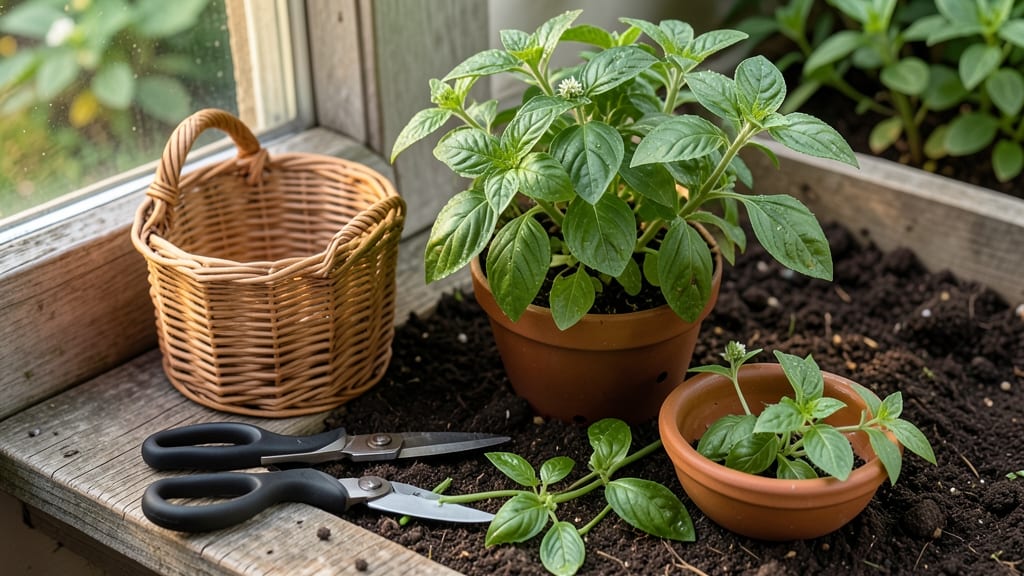
Harvesting basil for drying at the right time ensures rich flavor and long-lasting aromatics—wait too long, and those fragrant leaves turn bitter or woody.
Picture this: you’ve nurtured your basil 🌿 all season, and now you’re ready to dry it for winter soups and sauces. But if you harvest too early, the leaves won’t dry properly; too late, and the flavor fades fast.
The key is timing it just right—when the plant is lush but before those telltale flower buds appear.
Most gardeners miss the sweet spot because they focus on height alone. Instead, look for fully developed leaves with a strong aroma—those are your cues.
Below, I’ll walk you through the exact leaf pinch test, how to spot early flower signs, and the best pruning tricks to keep your basil thriving for multiple harvests.
You’ll also discover the two drying methods that preserve the most flavor, plus storage tips to keep your dried basil fresh for months. No more wasted harvests—just perfect, aromatic bundles ready for your kitchen.
The perfect basil harvest time: leaf pinch test & growth stages
Harvesting basil at the right moment is everything when drying for long-term use. The difference between peak flavor and bitter disappointment often comes down to a simple leaf pinch test and understanding your plant's growth stages.
I’ve learned that waiting too long—until flowers appear—can turn your drying basil into a flavorless disappointment, while harvesting too early means weak aroma retention.
For drying purposes, timing matters more than you might think. Basil leaves harvested at the wrong stage lose their signature anise-like aroma and can even develop a woody, bitter taste.
The ideal window is when your plant has reached 6-8 inches tall with fully developed leaves but no flower buds. This balance ensures maximum essential oils that carry the flavor through drying.
Here’s the critical harvest timing summary for basil drying, including the leaf pinch test and growth stage cues:
My secret weapon for determining harvest readiness is the leaf pinch test. Gently squeeze a basil leaf between your fingers—if it releases a strong, sweet fragrance, it’s ready. If it smells faint or grassy, wait a few days.
This simple test saves hours of drying time and ensures your final product has that rich, sweet basil aroma you crave.
The stem height is another key indicator. When basil reaches 6-8 inches tall, the leaves have developed their full flavor profile. At this stage, the stems are firm but not woody, making them perfect for drying.
I always harvest entire stems rather than individual leaves—this preserves the leaf structure and speeds up the drying process.
Watch for flower buds like a hawk! Once those tiny white or purple flowers appear, your basil’s flavor shifts dramatically. The plant redirects its energy from leaf production to seed development, causing leaves to become bitter and less aromatic.
Harvesting before flowers form is non-negotiable for drying quality. I’ve learned this the hard way—once I dried basil that had already flowered, and the result was disappointingly bland.
For continuous harvests, I use a pruning technique that encourages bushier growth. After your first harvest, pinch off the top set of leaves just above a leaf node. This stimulates lateral growth, giving you multiple harvest opportunities throughout the season.
Just remember: always harvest in the morning after dew has dried for the freshest flavor and best drying results.
Seasonal timing also plays a role. In USDA Zone 6a, I start harvesting for drying in late June when plants are established. By mid-September, I’m wrapping up my final harvests before the first frost.
The cooler fall temperatures actually improve basil’s flavor, making it perfect for drying before winter storage.
Pro tip: If your basil plants get too tall or leggy, it’s a sign they’re past their prime for drying. At this stage, focus on fresh use instead. For drying purposes, I prioritize plants that stay compact and leafy—these varieties hold their flavor best when dried.
Remember, the goal is maximum aroma retention during drying. Harvesting at the right stage ensures your dried basil will bring that fresh-from-the-garden taste to your winter dishes. With practice, you’ll develop an instinct for the perfect harvest moment—your future self (and your taste buds) will thank you!
Basil flower checklist: when to harvest before blooming ruins flavor
Those tiny flower buds on your basil plant are nature’s way of saying, "Harvest me now!" Once they appear, your plant’s energy shifts from leaf production to seed-making, and flavor plummets fast.
The key is catching the signs early—before buds form—and knowing how to prune for continuous harvests without stressing your plant.
I’ve made the mistake of waiting too long, only to end up with bitter leaves that dried into flavorless dust. Don’t let that happen! Below, I’ll show you the exact visual cues to watch for, plus my foolproof pruning method that keeps basil producing fresh leaves for weeks.
- 1 Check leaf size: Harvest when leaves reach 2-3 inches long and are fully dark green. Smaller leaves won’t dry well.
- 2 Perform the pinch test: Gently squeeze a leaf between your fingers. If it’s firm but not woody and smells intensely aromatic, it’s prime for drying.
- 3 Spot early flower buds: Look for tiny white or purple specks in leaf axils (where leaves meet stems). These are flower buds—harvest immediately!
- 4 Prune for regrowth: Cut stems just above a leaf node (where new leaves grow). This encourages bushier growth and more harvests.
- 5 Avoid over-harvesting: Never take more than 1/3 of the plant at once. Basil recovers faster with gentle pruning than harsh cuts.
Here’s my pro tip: Harvest in the morning after dew dries but before the sun peaks. Leaves are most aromatic then, and moisture levels are perfect for drying. I also avoid harvesting after rain—wet leaves can develop mold during the drying process.
After harvesting, bundle stems with twine or rubber bands and hang them upside down in a dark, dry place (like a pantry or closet). In 1-2 weeks, the leaves will crisp up and be ready for storage in airtight jars.
If you see any yellowing leaves during drying, remove them immediately—they’ll spoil the batch.
With this method, I’ve kept my basil producing fresh leaves for 6-8 weeks straight, even in my small urban garden. The secret? Staying ahead of those flower buds and pruning like a pro. Now grab those shears and get harvesting—your future winter dishes will thank you!