
How To
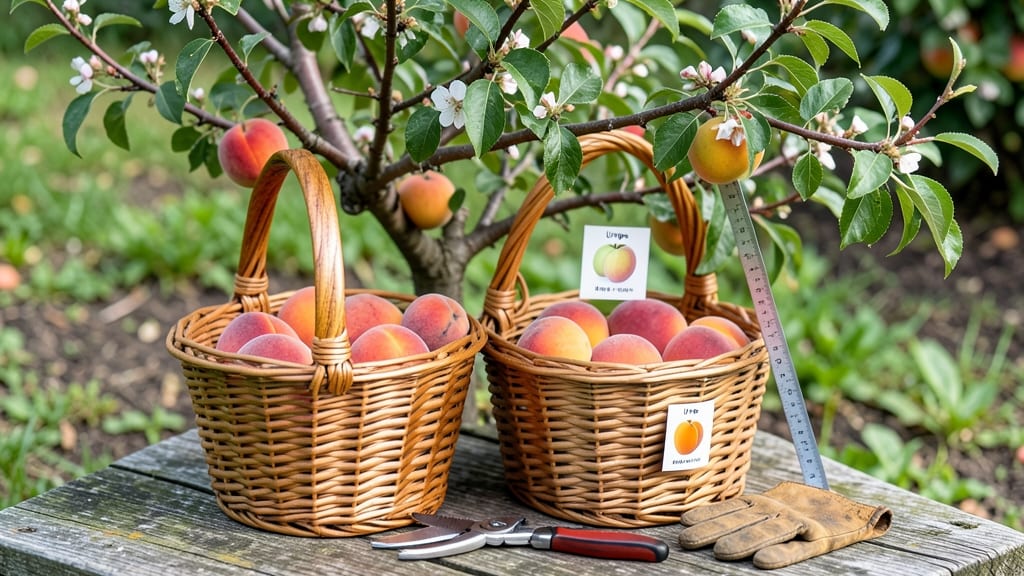
Harvesting apricots at the right time means catching them at their peak flavor—when the skin softens just enough to give way to a burst of sweetness and a fragrant aroma that fills the air.
Picture this: you reach for a 🍑 that separates cleanly from the tree with a gentle twist, its color deepened to a warm orange, and the scent so rich it makes your mouth water.
Miss this window, though, and you risk picking fruit that’s either too hard or already overripe—both scenarios mean sacrificing that perfect, juicy reward.
Knowing when to harvest isn’t just about color or size—it’s about combining visual cues, texture, and even the tree’s behavior. In USDA Zone 6a, where spring planting sets the stage, timing shifts slightly based on whether your variety ripens early or late in the July-August window.
Below, I’ll walk you through the easy tests to check ripeness, regional tweaks for your climate, and how to store your harvest so it stays fresh longer—no guesswork, just foolproof results.
3 Key signs your apricots are ready for harvest
Harvesting apricots at the perfect moment transforms your tree into a sweet, flavorful treasure. Unlike some fruits, apricots don't ripen well off the tree, so timing is everything. I’ve learned that visual cues, tactile tests, and even aroma signals work together to tell you when to pick.
Miss these signs, and you might end up with fruit that’s either too tart or too soft. Let’s break down the three foolproof indicators that guarantee ripe, delicious apricots.
First, pay attention to the skin color. Early-season varieties like 'Blush' or 'Tilton' start with a pale green hue that deepens to a vibrant orange-yellow when ripe. Late-season types, such as 'Patio' or 'Moongold', may lean more toward a golden tone.
In warmer climates like USDA Zone 8-10, apricots can ripen faster, so keep an eye out for these shifts—especially if your tree is loaded with fruit. A quick glance at the tree can save you from picking too early!
🌱 Numbered Highlights: 3 Signs Your Apricots Are Ready
- 1. Color Shift: Skin turns from green to orange-yellow (early varieties) or golden (late varieties). Use your thumb to check for a smooth, even hue—no green patches!
- 2. Easy Pull Test: Gently twist the apricot—it should detach with minimal force. If the stem resists, wait 1-2 days. Overripe fruit may pop off too easily, so act quickly!
- 3. Sweet Aroma: Crush a tiny bit near the stem—ripe apricots release a fragrant, sweet scent. No smell? Not ready yet. Strong alcohol-like odor? It’s overripe and best used immediately.
Pro Tip: Early-morning harvests yield the sweetest fruit—cooler temps preserve natural sugars. Avoid picking after rain, as wet fruit bruises easily. 🍑
Next, trust your hands with the easy pull test. Grab an apricot and give it a gentle twist near the stem. If it separates cleanly with just a slight tug, it’s ready.
Resistant fruit needs more time on the tree, while fruit that falls apart in your hand has overstayed its welcome. This test is especially critical for late-season varieties, which can ripen unevenly.
I’ve found that checking a few fruits daily—starting about 120 days after bloom—helps me stay on top of the harvest window.
The final clue lies in your nose: a sweet, fragrant aroma at the stem is a dead giveaway. Ripe apricots emit a subtle, almost floral scent when gently crushed near the stem.
If you catch a whiff of alcohol or fermentation, the fruit has overripened and should be picked immediately—though it’s best used in jams or sauces rather than eaten fresh.
In hotter climates, like California’s Central Valley, this scent can develop faster, so monitor your tree closely during peak summer months.
Regional differences play a huge role in harvest timing. In cooler zones like USDA Zone 5-7, apricots may take longer to ripen, especially if spring was chilly.
I’ve seen 'Harcot' varieties in my Zone 6 garden take up to 180 days to reach peak ripeness, while 'Goldcot' can be ready in as few as 120 days. Always check your tree’s specific variety and local climate—extension offices often provide harvest calendars tailored to your area.
One mistake I’ve made? Waiting too long to harvest because the fruit looked ripe. Overripe apricots split open, attracting pests like fruit flies and wasps. They also become mealy and lose their vibrant flavor.
To avoid this, I now set a reminder to check daily once the fruit starts changing color. If you’re unsure, pick a few and taste them—your palate is the ultimate judge! Just remember, apricots don’t ripen further after picking, so act when they’re perfect.
For storage, harvest apricots in the morning hours when temps are cool. Place them in a single layer on a tray lined with paper towels to prevent rot. Store them in the fridge for up to 5-7 days or eat them within 24 hours for the best flavor.
If you’ve overharvested, consider freezing or making preserves—wasted apricots are a gardener’s worst nightmare! 🌱
Mastering these three signs—color, pull test, and aroma—will turn your apricot harvest into a sweet, stress-free success. The next time you’re standing under your tree with a basket in hand, trust these cues, and you’ll know exactly when to pick. Happy harvesting! ✂️
Apricot ripening stages: from green to perfectly ripe
Apricots don’t ripen all at once, making it tricky to know exactly when to harvest apricots for peak flavor. Understanding their color progression, texture changes, and aroma cues is key to avoiding the two biggest mistakes: picking too early (hard, bland fruit) or too late (overripe, mealy pulp).
Most apricot varieties transition through three distinct ripening stages—green, semi-ripe, and fully ripe—each marked by visible and tactile differences. Early-season varieties like ‘Blush’ or ‘Patio’ may ripen as early as late June, while late-season types like ‘Tilton’ or ‘Moongold’ peak in August.
Stage 1: Green (Unripe)
- Skin: Bright green or yellow-green
- Texture: Firm, almost hard when squeezed
- Aroma: None or slightly bitter
- Harvest Risk: Picking here means bland, seedy fruit that won’t soften further off the tree
Stage 2: Semi-Ripe (Almost Ready)
- Skin: Color shifts to pale orange or yellow-orange (varies by variety)
- Texture: Slightly softer, gives just a little with gentle pressure
- Aroma: Mild sweetness near the stem
- Harvest Test: Fruit should separate easily from the tree with a slight twist—if it resists, wait 2–3 days
| Stage | Skin Color | Texture | Aroma | Harvest Action |
|---|---|---|---|---|
| Green (Unripe) | Bright green/yellow-green | Firm/hard | None | Wait 1–2 weeks |
| Semi-Ripe | Pale orange/yellow-orange | Slightly soft | Mild sweetness | Test twist |
| Fully Ripe | Deep orange/red-orange | Soft but firm | Strong sweet scent | Harvest immediately |
Stage 3: Fully Ripe (Peak Flavor)
- Skin: Deep, vibrant orange or red-orange (depending on variety)
- Texture: Soft to the touch but not mushy—like a ripe peach
- Aroma: Intense sweetness that fills the air when shaken near your nose
- Pro Tip: If birds are pecking at your apricots, they’ve already spotted the ripe ones! Harvest these first to avoid waste.
Leaving apricots on the tree past their prime leads to overripe fruit, which splits easily and develops a fermented smell. In hot climates (Zones 7–9), apricots may ripen faster—check daily once they turn orange.
In cooler zones like Zone 6a, a late frost can delay ripening, so monitor weather forecasts and protect young fruit with frost cloth if needed.
Once you’ve mastered these stages, you’ll never miss the perfect harvest window again—just imagine biting into an apricot so sweet it makes your eyes water. The key is patience: wait for that sweet aroma and easy twist, and you’ll reward yourself with apricots at their absolute best. 🍑