
How To
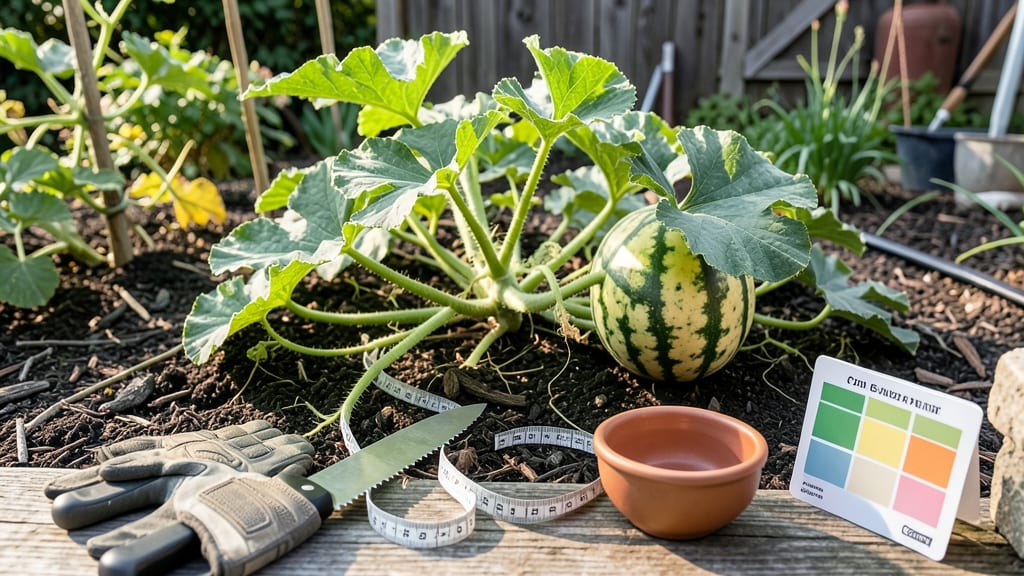
Harvesting watermelon at the right time means the difference between a sweet, juicy prize and a bland, watery disappointment — and the key is knowing exactly how long to wait after flowering.
Picking too early means bland, watery fruit, but leaving it too late ruins the harvest. Here’s how to tell exactly when your watermelon is perfectly ripe, so you never miss the sweet spot.
Most varieties take between 75 and 90 days to reach harvest readiness, but days alone won’t tell you if the melon is ready. Instead, focus on three science-backed signs: the field spot’s color, the tendril’s dryness, and the thump test.
In this guide, I’ll break down the timeline by variety, the most reliable ripeness cues, and how to avoid common mistakes that turn perfect melons into mushy disappointments.

3 Science-backed signs your watermelon is ready to harvest
Watermelons are one of summer’s most anticipated fruits, but knowing exactly when to harvest can be tricky. Unlike store-bought melons, homegrown ones ripen based on three key science-backed indicators—not just days since planting.
These signs ensure you pick your watermelon at peak sweetness, avoiding the common mistakes of harvesting too early (watery, bland fruit) or too late (overripe, split melons).
Research from the University of Georgia Extension confirms that visual and tactile cues—like the field spot and tendril color—are the most reliable ways to judge ripeness. Even the thump test, a classic method, has been validated by horticulturists as a practical tool for home gardeners.
Let’s break down these three foolproof signs so you can harvest your watermelon at its sweetest moment.
🌱 How Long to Harvest Watermelon: 3 Key Signs
-
Field Spot Turns Creamy Yellow
The field spot (the white patch where the melon rested on the ground) should turn from white to creamy yellow. This color change indicates full ripeness and is triggered by ethylene gas released as the melon matures. -
Tendrils Near the Stem Dry and Turn Brown
The small tendrils near the stem (not the larger vine tendrils) should dry up and brown. This is a clear signal that the melon has stopped growing and is ready to harvest. -
Thump Test Yields a Deep, Hollow Sound
Tap the melon with your knuckles—it should sound deep and hollow. A dull thud means it’s underripe. This test works because air replaces water in the fruit as it ripens, changing its acoustic properties.
Don’t rely on days to maturity alone, as watermelon ripening can vary by 10-15 days depending on your climate. For example, seedless varieties like Sugar Baby often ripen faster (around 70 days), while heirlooms like Moon and Stars may take up to 90 days.
Instead, combine these three signs for the most accurate harvest timing.
The field spot is your first clue because it’s the most visible indicator of ripeness. Studies show that the creamy yellow color correlates with peak sugar content. If the spot is still white or pale green, the melon needs 5-7 more days to ripen.
Pro tip: Check the spot in morning sunlight—it’s easier to see the color change when the fruit is cool.
Many gardeners overlook the tendril test, but it’s one of the most reliable signs because it’s directly tied to the plant’s biology. When the tendrils near the stem dry out, it means the vine has stopped sending nutrients to the melon.
This shift signals that the fruit has reached its optimal sugar-to-water ratio. If you’re unsure, compare the tendrils to those on a nearby ripe melon for a side-by-side check.
The thump test might seem old-school, but it’s backed by physics. As watermelons ripen, their internal structure changes: watery flesh becomes denser with sugars, and air pockets form, creating that hollow echo.
For best results, thump the smallest flat spot on the melon (not the blossom end). If it sounds dull, wait 2-3 more days—over-ripe melons split and lose flavor.
Here’s a bonus tip: Smell the stem! A ripe watermelon emits a sweet, musky aroma near the stem. If it smells neutral or earthy, it’s not ready.
This scent is your brain’s way of confirming the ethylene gas release that triggers ripening. Pair this with the other two signs for 100% accuracy.
If you’re growing watermelons in hotter climates, like the Southwest or Southeast U.S., they may ripen faster due to higher temperatures. In cooler regions (like the Pacific Northwest), melons might take longer to develop those key signs.
Always adjust your harvest timing based on local weather patterns—not just the seed packet’s estimate.
Once you’ve confirmed all three signs, harvest your watermelon by cutting the stem with a clean pruning shear or knife. Leave 1-2 inches of stem attached—this helps the fruit store longer and maintains its sweetness.
Store it in a cool, dry place (like a garage or basement) for up to 2 weeks.
Now that you know these science-backed signs, you’ll never second-guess your watermelon harvest again. The next time you’re tempted to pick early for convenience, remember: patience pays off with a melon that’s bursting with flavor. Happy harvesting! 🌞
Watermelon harvest timeline: days to maturity by variety
Watermelons vary dramatically in harvest time based on their variety type—from quick-growing hybrids to slow-maturing heirlooms. Knowing your watermelon's days to maturity helps you plan planting dates and avoid disappointment.
I’ve grown everything from seedless varieties to giant heirlooms, and timing is everything for that perfect sweet, juicy harvest.
Most watermelons need 70-90 days from seed to harvest, but this changes dramatically by type. Hybrid varieties often mature faster (60-75 days), while heirloom watermelons can take 90+ days.
Your local climate and growing conditions also play a huge role—warmer regions speed up maturity, while cooler areas may extend the timeline. Let’s break down the key days-to-maturity ranges by category so you can plan your garden like a pro.
If you’re growing in a shorter season, opt for early-maturing hybrids like Sugar Baby or Crimson Sweet. These varieties hit harvest readiness in as little as 60-70 days, giving you a head start.
For longer growing seasons, heirlooms like Moon and Stars or Georgia Candy can reward you with exceptional flavor—but they need patience (and a longer season!).
Your local climate is the wildcard here. In hot, dry regions like Arizona or California, watermelons mature faster due to intense sunlight. But in cooler climates like the Pacific Northwest, you might need to extend your growing season with row covers or start seeds indoors.
I once grew Sugar Baby watermelons in Zone 5 by using black plastic mulch—it added 10-14 extra days of warmth to the season!
Pro tip: Adjust your planting date based on your last frost date. Most watermelons need soil temps above 70°F to germinate. Use a soil thermometer to check—if it’s below 65°F, wait a few weeks.
For northern gardeners, consider transplanting seedlings instead of direct sowing to shave off critical days.
Once you know your variety’s days to maturity, count backward from your average first frost date to determine the latest planting window. For example, if your frost date is September 15 and you’re growing a 75-day heirloom, plant by June 20 to ensure a harvest before frost.
Timing is everything—get it right, and you’ll enjoy juicy, vine-ripened watermelons all summer long! 🍉