
Pests and Diseases
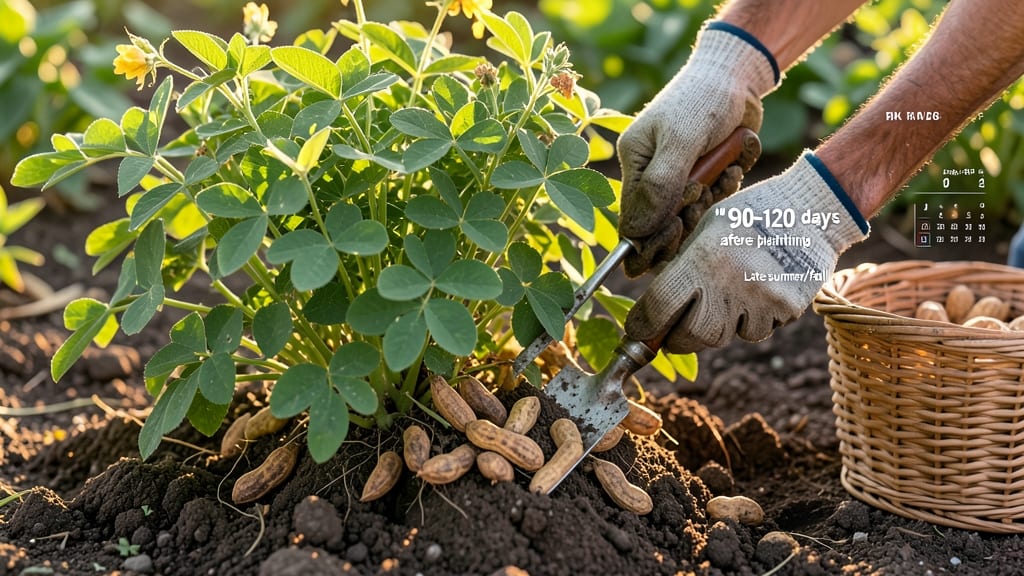
Peanut harvest time arrives between 120 and 150 days after planting, when those underground pods transform from green to golden perfection 🥜 — but miss the window, and you’re left with tough, bitter nuts.
Picture this: you’ve spent months tending to your peanut plants, and now the leaves are turning yellow, the vines are wilting, and you’re wondering, Is it time? The answer isn’t just about days on the calendar—it’s about reading the plant’s signals.
In Zone 6a, where most home gardeners grow peanuts, harvest typically falls between August and October, but the exact moment depends on variety and weather. Southern peanuts, for example, mature faster than Virginia types, so knowing the signs of readiness is the key to a bountiful harvest.
Below, I’ll walk you through the three foolproof signs your peanuts are ready to dig—plus how to handle regional differences and avoid common mistakes that ruin the crop.

3 Clear signs peanuts are ready for harvest (don’t miss these)
Peanuts are one of the most rewarding crops to grow, but timing their harvest perfectly can be tricky. Unlike above-ground vegetables, these underground gems need specific visual cues to tell you they're ready.
Miss these signs, and you might end up with tough, bitter nuts instead of the creamy, flavorful ones you crave. I’ve learned the hard way that patience is key—peanuts won’t rush their maturity, and neither should you.
Harvesting too early means small, underdeveloped pods, while waiting too long can lead to shriveling or even rot in the soil. The good news? Nature gives you clear signals when it’s time to dig.
By watching for leaf yellowing, peg development, and shell hardening, you’ll know exactly when to pull those peanuts from the ground. Let’s break down each sign so you never miss harvest time again.
🌱 3 Must-Know Signs Your Peanuts Are Ready
-
1. Leaf Yellowing & Dieback
Foliage turns yellow-brown and wilts naturally—don’t panic! This is your plant’s way of saying, “Dig me now!” -
2. Pegs (Stems) Harden & Turn Brown
The pegs (those woody stems growing underground) should feel dry and crisp when broken. If they snap cleanly, it’s harvest time! -
3. Shells Sound Hollow When Shaken
Gently shake a pod—if it makes a hollow noise (like a rattle), the nut inside is fully developed. No sound? Wait a few more days.
Let’s start with the most obvious sign: your peanut plants’ leaves. When the foliage turns yellow-brown and begins to die back naturally, it’s a clear signal that the pods below are maturing. This usually happens around 120–150 days after planting, depending on your variety.
I’ve seen gardeners rush to harvest when leaves yellow, but if the pegs (the stems growing underground) aren’t dry yet, the nuts won’t be ready.
Pay close attention to the pegs—those woody stems that grow from the flowers and penetrate the soil. When they’re fully developed, they’ll feel hard and dry to the touch. If you gently break one, it should snap cleanly instead of bending.
This is your cue that the pods are ready to harvest. I once dug up peanuts too early because the leaves were yellowing, but the pegs were still green and flexible—big mistake! The nuts were tiny and bitter.
Here’s a trick I use to double-check maturity: shake the pods while still in the ground. If they sound hollow (like a rattle), the nuts inside are fully developed. This is especially useful for Runner-type peanuts, which mature faster than Virginia or Spanish varieties.
If the pods feel soft or squishy, give them another 1–2 weeks before digging. Over-mature peanuts lose flavor and texture, so timing is everything.
Regional climate plays a huge role in harvest timing. In warmer zones (USDA 8–10), peanuts may mature as early as 100 days, while in cooler climates (like Zone 6), you might not see readiness until 140–150 days.
Last year, I grew peanuts in Zone 7 and noticed the leaves yellowed in early September, but the pegs weren’t ready until mid-October. Always adjust based on your local frost dates—peanuts can’t handle cold soil.
One common mistake I see is harvesting based on pod size alone. Just because a pod is 2–3 inches long doesn’t mean it’s ready—it also needs to be brown and dry. Green or partially brown pods will yield nuts that are tough and underdeveloped.
To test, dig up a few pods and crack one open. If the nut inside is plump and cream-colored, you’re golden. If it’s still pale or shriveled, wait a few more days.
If you’re growing multiple varieties, like Virginia (large, sweet nuts) or Spanish (smaller, fast-maturing), harvest each type separately. Virginia peanuts, for example, take longer to mature and may need an extra 2–3 weeks compared to Runner types.
I once mixed varieties in the same bed and ended up harvesting some too early because I didn’t account for their different timelines. Lesson learned: label your rows!
Finally, don’t forget that soil moisture affects harvest readiness. If the ground is too wet, peanuts can rot in the soil before you dig them up. Always harvest in dry conditions and avoid watering the plants for 3–5 days before digging.
This helps the shells dry out faster, making them easier to shell and store. After harvest, spread the peanuts in a single layer on a screen or tray in a warm, dry place for 1–2 weeks to cure properly.
Mastering these three signs—leaf yellowing, peg hardening, and hollow-sounding shells—will ensure you harvest peanuts at their peak. Next time, skip the guesswork and let your plants tell you when they’re ready. Your taste buds (and your patience) will thank you! 🥜
Peanut harvest timing by variety: Southern vs. Virginia vs. Runner peanuts
Not all peanuts ripen on the same schedule—each variety has its own ideal harvest window, and understanding these differences can save you from digging too early or too late.
In my Zone 6a garden, I’ve learned that Southern peanuts mature fastest, while Virginia types take the longest, with Runner peanuts falling somewhere in between. Climate also plays a role: hot, dry summers speed up maturity, while cool, wet conditions can delay it.
To avoid bitter, underdeveloped nuts, I always check the days-to-maturity label on seeds and adjust my harvest timeline accordingly. For example, Runner peanuts might be ready in as little as 100 days, while Virginia peanuts can take up to 150 days—that’s nearly two months of difference!
Knowing your variety’s maturity range helps me plan my harvest around late summer or early fall.
Climate matters too. In humid regions, peanuts may stay green longer, while in dry areas, they’ll yellow and crisp up faster. I’ve even seen Southern peanuts mature in 120 days during a scorching summer, but push to 140 days in a cooler year. The key is balancing days after planting with visual cues like leaf color and pod firmness.
If you’re growing Southern peanuts, mark your calendar for 120–140 days after planting—typically late August in my garden. These varieties are popular in warmer regions and mature quickly, making them ideal for short seasons.
Meanwhile, Virginia peanuts, which I’ve tried in cooler years, need that extra month to develop their signature large, flavorful pods. Runner peanuts, my personal favorite for their sweetness, are the fastest, often ready by mid-August if planted early.
One trick I’ve learned is to dig a test plant a few days before the estimated harvest window. If the pods are 2–3 inches long, have hard shells, and the leaves are yellowing, it’s time to harvest.
If they’re still green or soft, wait another week. This hands-on check beats guessing based on days alone—especially when unpredictable weather throws off timelines.
Remember, harvest timing isn’t just about days—it’s about the plant’s signals. Combine the variety’s maturity range with leaf color, pod firmness, and weather conditions to nail the perfect harvest.
With the right approach, you’ll go from green pegs to golden, creamy peanuts ready for shelling in no time 🥔🌿.