
How To
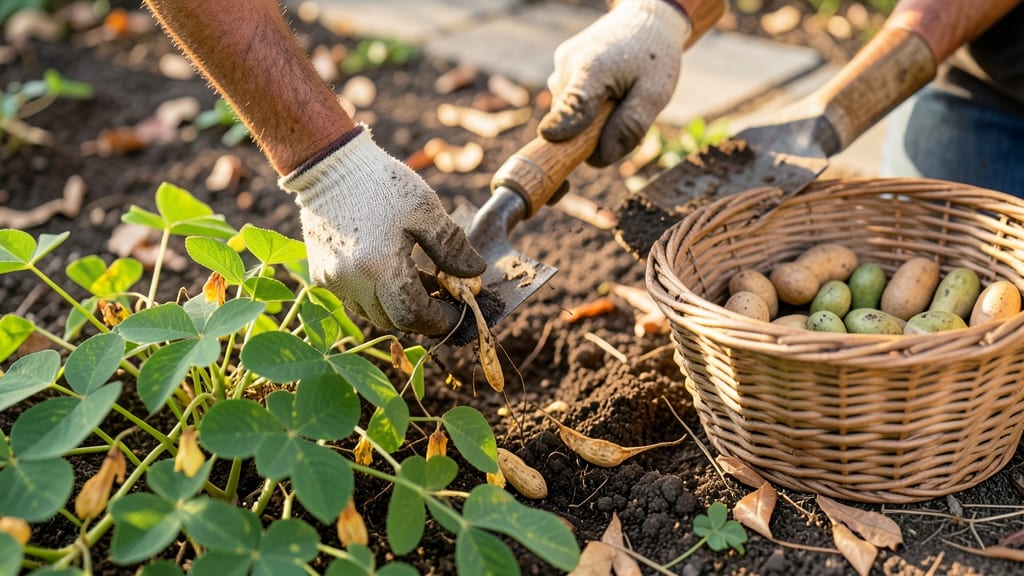
Harvesting peanuts at the right time means digging up pods that are firm, dry, and fully mature—not a single day too soon or too late. 🥜
Peanuts are one of the most rewarding crops to grow—but timing your harvest wrong means bitter, underdeveloped pods. Missing those key signs could cost you a bountiful harvest, not to mention wasted effort.
In General (USDA Zone 6 default), the window opens around September 15 and closes by October 31, but the real clue isn’t the calendar—it’s your peanut plants. Look for yellowing leaves and pods that rattle when shaken, then dig before frost sets in.
Below, I’ll walk you through the exact visual and tactile cues to know when to harvest, how to avoid common mistakes, and what to do with your peanuts once they’re out of the ground.
How to identify the perfect harvest time for peanuts
Peanuts are one of the most rewarding crops to grow—but timing your harvest wrong means bitter, underdeveloped pods. The difference between a sweet, flavorful harvest and a disappointing failure often comes down to knowing exactly when to dig up peanuts.
Most varieties take 120-140 days to mature, but relying solely on days after planting can backfire if your climate varies. Instead, focus on visual and tactile cues that signal peak ripeness.
First, understand that peanuts don't grow above ground like most vegetables. Their pods develop underground after the plant's pegs (those long stems) penetrate the soil. This unique growth habit means you'll need to pay attention to both above-ground foliage and below-ground conditions.
The best harvest window arrives when your plants show three key maturity signs simultaneously. Ignoring any one of these could mean missing your harvest or digging up underripe pods.
🌱 5 Key Signs Your Peanuts Are Ready to Harvest
- 120-140 Day Rule: Most varieties mature in 120-140 days from planting. Check your seed packet for exact days—some early varieties may be ready in 100 days, while heirlooms can take up to 150 days.
- Leaf Color Change: Look for yellowing and drying foliage (called senescence). The leaves should turn brown and crispy, not just wilted. This indicates the plant is redirecting energy to the pods.
- Pod Firmness: Gently dig up a few pods to check for firmness. Ripe pods should feel dry and hard (like a small egg), not soft or squishy. If they're still green inside, wait a few more days.
- Shell Rattle Test: Shake a pod near your ear. A ripe peanut will produce a distinct rattling sound inside the shell. If it sounds hollow or muffled, the pod isn't fully mature yet.
- Soil Conditions: The soil should be dry but not bone-dry at harvest time. If it's soggy, wait a few days to prevent rot. Avoid harvesting after rain unless the soil dries out completely.
Let's break down each of these signs in more detail, so you can confidently determine when your peanuts are ready. Start by monitoring your plants' foliage health about 3-4 weeks before the expected maturity date. The leaves should begin turning yellow at the edges first, then progress inward.
This is your first warning that the plant is shifting resources to the pods. If you see green leaves still thriving, your peanuts likely need more time.
Next, focus on the pod development underground. Unlike aboveground crops, you can't see peanuts until you dig them up. That's why the 120-140 day rule is a useful starting point—but it's not foolproof.
For example, if you planted in late spring, your harvest might shift to early fall, while early plantings could extend into late October. Always cross-reference days with visual cues to avoid mistakes.
Here's a pro tip: Test a few pods early to avoid overharvesting. Dig up 2-3 plants and check the pods. If they're small, green, or watery, wait another week.
If they're dry, firm, and fully formed, it's time to harvest your entire crop. This spot-checking method saves you from digging up premature pods and risking a poor yield.
Don't overlook the importance of soil moisture at harvest time. Peanuts need consistent moisture during growth, but the soil should be slightly dry when you harvest. If the ground is waterlogged, your pods may develop fungal diseases or rot.
On the other hand, harvesting from bone-dry soil can cause the pods to shrivel. Aim for soil that's damp 1-2 inches below the surface but dry at the top.
Regional climate plays a big role in harvest timing. In warmer southern states (like Georgia or Texas), peanuts often mature earlier due to longer growing seasons. Meanwhile, northern growers (in USDA Zones 4-6) may need to rush harvest before the first frost, which can damage pods.
Always keep an eye on your local frost forecast—peanuts can't tolerate temperatures below 32°F.
Finally, remember that peanuts continue to improve in flavor after harvest through a process called curing. Pods dug too early may taste bitter or bland, while properly mature peanuts develop a rich, nutty flavor.
By mastering these harvest timing cues, you'll ensure your peanuts are not only ready to pick but also ready to enjoy at their peak.
Now that you know what to look for, mark your calendar for 120-140 days after planting and start monitoring your plants closely. The moment your foliage yellows, your pods feel firm, and the shells rattle is your green light to harvest.
Grab your gardening gloves, and let's dig up those delicious peanuts! 🥜
Common mistakes that ruin peanut harvests (and how to avoid them)
Even with perfect growing conditions, a single misstep during harvest can turn your hard work into bitter disappointment. I’ve seen gardeners rush the process only to end up with underdeveloped, shriveled peanuts that taste like sawdust. The key is recognizing the subtle signs of readiness—and avoiding these four critical mistakes.
First, many gardeners dig too early because they’re eager for a harvest. But peanuts need 120-140 days of growth to mature properly. Harvesting before yellowing leaves and firm pods means you’ll miss the sweet, nutty flavor you’re craving. Patience is everything here—don’t let impatience ruin your crop.
⚠️ callout-warning
Peanuts won’t develop their signature flavor until they’ve fully matured underground. If you dig when leaves are still green or pods feel soft, you’re risking a poor harvest. Wait until 75% of leaves turn yellow-brown and pods rattle when shaken.
💡 Pro Tip: Shake the plant gently—if pods sound hollow, they’re ready.
Another common mistake is ignoring soil moisture before harvest. Peanuts need consistent moisture during growth, but the soil should be slightly dry when you dig. Overly wet soil makes pods prone to rot, while bone-dry soil can cause them to shrivel.
Aim for soil that’s moist but not soggy—think of it as a well-hydrated sponge.
Missing pod maturity cues is a silent killer of peanut harvests. Many gardeners focus only on leaf color but overlook the pod firmness and size. Mature peanuts should be about the size of a small egg and feel firm to the touch.
If they’re still small or squishy, give them more time. Use your fingers to gently squeeze a pod—it should resist pressure like a ripe avocado.
Finally, storage mistakes often go unnoticed until it’s too late. Even perfectly harvested peanuts can spoil if not cured properly. After digging, spread them out in a dry, shaded area for 3-5 days to dry.
Store them in a cool, dark place with low humidity—never in the fridge, as moisture buildup will cause mold. A sealed container with silica packets keeps them fresh for months.
By avoiding these mistakes, you’ll transform your peanut harvest from a gamble into a guaranteed success. The difference between a mediocre crop and a bountiful one often comes down to these small—but critical—details. Now go dig those peanuts when they’re ready, and enjoy the reward of your labor! 🥜