
Pests and Diseases
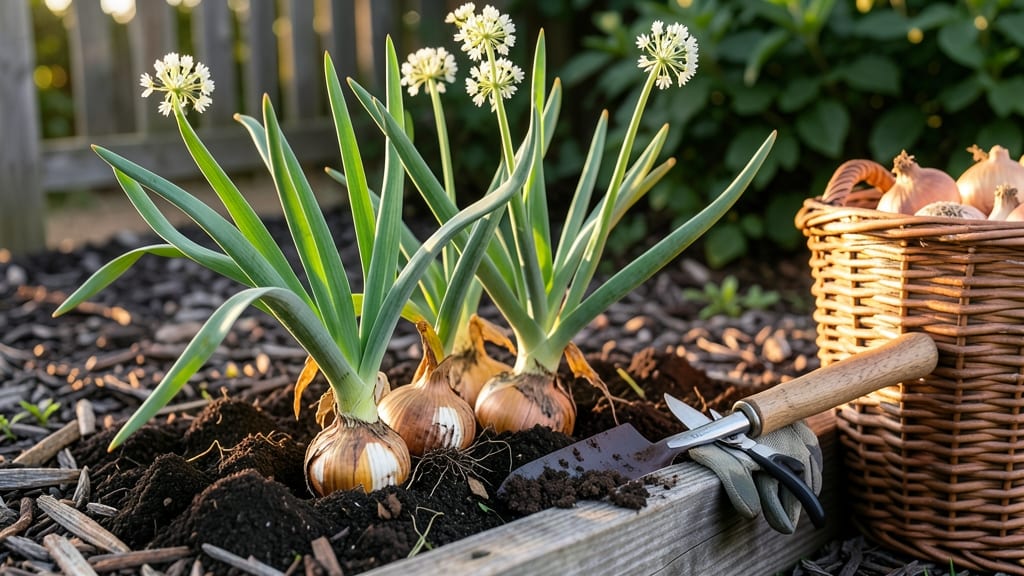
Onion harvest season arrives when tops yellow and flop over naturally—usually between June and August—but timing depends on your variety and climate.
If you’ve ever wondered why your onion tops suddenly flop over—or why some gardeners swear by harvesting at specific times—you’re about to uncover the secrets to perfect onion harvest timing that ensures sweet, flavorful bulbs every season.
Most gardeners in USDA Zone 6a (like me!) know that spring-planted onions mature by late summer, but regional differences matter. Southern growers may harvest as early as May, while cooler northern areas might wait until September for storage varieties.
Below, I’ll break down the key signs to watch for—like bulb size and papery skin—and how to adjust for your local growing conditions to avoid common mistakes that ruin the harvest.
How to determine the best time to harvest onions by their growth stages
Harvesting onions at the right time ensures sweet, flavorful bulbs instead of bitter or rotting ones. The key lies in watching for visual growth cues and understanding how your climate and variety affect timing.
Whether you grow short-day or long-day varieties, these signs will tell you exactly when to dig.
Onions mature when their top growth slows and energy shifts to bulb development. For most varieties, this happens when the leaves yellow and flop over—a natural signal that the bulb is fully formed.
But timing varies by region and variety type, so let’s break down the exact cues to watch for.
🌱 SUMMARY TABLE: Onion Harvest Readiness Guide
| Stage | Visual Cues | Bulb Size | Days to Harvest |
|---|---|---|---|
| Early Growth | Green, upright leaves | <1 inch | Not ready |
| Mid-Growth | Leaves thicken, tops stay upright | 1-2 inches | Monitor closely |
| Harvest Ready | Tops yellow and flop over | 2-3 inches | 90-150 days |
| Overripe | Tops dry and brown, bulbs soft | >3 inches | Too late |
The most reliable harvest signal is when the tops flop over and turn yellow. This happens because the plant redirects energy from leaf growth to bulb storage. If you wait too long, the bulbs may split or rot, while harvesting too early results in small, pungent onions lacking sweetness.
Short-day varieties (like Texas Early White) mature faster in warm climates, often ready in 90-100 days. Meanwhile, long-day varieties (such as Yellow Sweet Spanish) take 120-150 days and need cooler temperatures to form bulbs. Check your seed packet for variety-specific guidance.
Another key indicator is the neck of the bulb tightening near the soil line. When you gently pull back the outer leaves, you’ll see a dry, papery skin forming—this means the bulb is fully developed. Ignoring this cue can lead to over-mature onions that spoil quickly after harvest.
Climate plays a huge role: Southern gardeners often harvest in late spring to early summer, while Northern growers may wait until mid-to-late summer. In hot climates, onions bolt (send up flowers) faster, so harvest sooner. In cooler regions, they may need extra time to bulb up.
For storage onions, aim for larger bulbs (2.5+ inches) with thick necks, as these store best. Green onions (scallions) can be harvested earlier by snipping the outer leaves when they reach 6-8 inches tall, allowing the plant to regrow for multiple cuts.
Pro tip: Test a few bulbs by digging one up to check size. If it’s 2-3 inches wide with a tight neck, your onions are ready.
If the skin is still soft or moist, wait a few more days. The goal is a firm, dry bulb that’s ready for curing.
Once you’ve mastered these cues, you’ll never guess at harvest time again. The secret is observing your plants daily and adjusting for your local climate and variety. With practice, you’ll harvest onions at their peak—sweet, crisp, and perfect for storage or fresh eating.
Regional onion harvest seasons: when to dig in different US climates
Onion harvest timing varies dramatically across the U.S., with spring-planted varieties typically ready between June and August, while fall-planted storage onions mature in late summer to early fall.
The key difference? Day length triggers bulb formation—short-day onions (like Texas Early White) need fewer daylight hours, while long-day varieties (like Yellow Sweet Spanish) thrive with extended sun.
In Southern states (Zones 8-10), warm winters allow year-round planting, with harvests as early as March for overwintered crops. Meanwhile, Northern growers (Zones 3-5) must time harvests carefully to avoid early frosts, often pulling onions by September for fresh use or October for storage.
Here’s how your region affects harvest windows—plus how to adjust if seasons run early or late:
If your season runs late, opt for fast-maturing varieties like Red Baron (60 days) or White Sweet Spanish (90 days). For early harvests, try green onions (cut 6-8 weeks after planting) or shallots, which tolerate cooler temps.
Pro tip: Test bulb size by gently digging up a few onions when tops flop—if bulbs are 2-3 inches wide, it’s harvest time! In humid climates, cure onions in a shady, well-ventilated area for 2-3 weeks to prevent mold.
🌱