
Pests and Diseases
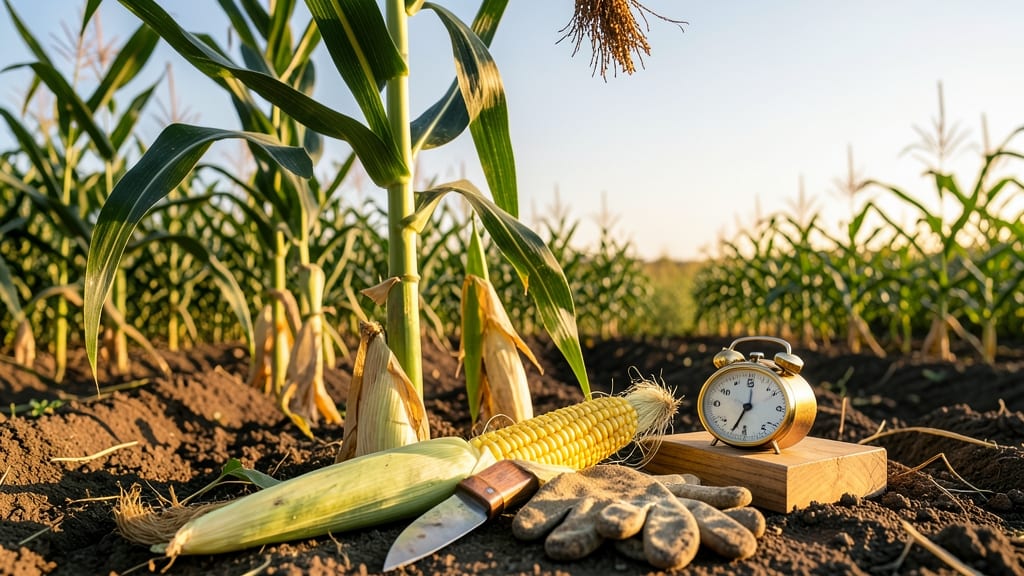
Harvest time for corn arrives when silks turn brown and kernels reach that perfect milky stage—timing that turns a great crop into a delicious one.
Picture this: you’ve nurtured your 🌽 from seed to towering stalk, but one wrong move—harvesting too early or too late—and you’re left with either mealy kernels or tough cobs.
The difference between sweet, juicy corn and something closer to a baseball bat lies in those few critical days when everything clicks.
Most varieties hit peak flavor between 75 and 120 days after planting, but heat, humidity, and even your local USDA Zone 6a climate can shift that window. Below, I’ll walk you through the foolproof way to test your corn’s readiness—no guesswork, just golden perfection.
You’ll learn the exact signs to watch for, how to adjust for regional differences, and the one simple trick that keeps your corn tasting fresh for days after harvest. Let’s get started.

How to tell when corn is perfectly ripe for harvest
Harvesting corn at the right moment ensures sweet, juicy kernels instead of dry, starchy cobs. The key lies in watching for three critical signs: silk color, kernel moisture, and ear firmness.
Miss these cues, and you’ll end up with corn that’s either underdeveloped or past its prime. Let’s break down how to spot perfectly ripe corn in your garden.
First, check the silks—those thread-like strands at the top of the ear. When they’ve turned brown and crispy, it’s a strong indicator that pollination is complete.
However, don’t rely solely on this sign, as some varieties may dry out faster than others. Pair this with the kernel test for absolute certainty.
Next, peek at the kernels by gently pulling back the husk. If they’re plump and milky white when pierced with your thumbnail, you’ve hit the sweet spot.
This "milk stage" is the gold standard for peak flavor. Overlook this, and you’ll risk kernels that turn yellow or dented, signaling they’ve passed their prime.
Finally, give the ear a gentle squeeze. It should feel firm but not rock-hard. If it’s mushy or too soft, the corn is still developing. This tactile check ensures you’re harvesting at the perfect balance of tenderness and maturity.
| Sign | Description | Action |
|---|---|---|
| Silk Color | Dry, brown, and crispy | ✅ Ready for harvest |
| Kernel Moisture | Plump, milky white when pierced | 💧 Test with thumbnail |
| Ear Firmness | Firm but not hard | 🤏 Gentle squeeze test |
| Husk Pull | Peels back easily | 🌽 Reveals fully developed kernels |
| Days to Maturity | 60-120 days (varies by variety) | 📅 Check seed packet |
Pro tip: Harvest in the morning when temperatures are cooler. This preserves the corn’s natural sweetness and prevents it from turning starchy too quickly. Use a sharp knife to cut the stalk about 1 inch below the ear, leaving the husks intact to protect the kernels.
If you’re unsure whether your corn is ready, err on the side of harvesting early. Corn continues to ripen off the plant, but it loses sweetness faster than it gains starchiness. Once the kernels turn yellow or dented, the window for peak flavor closes quickly.
For sweet corn varieties like ‘Silver Queen’ or ‘Peaches and Cream,’ the milk stage is even more critical. These types are bred for extra sweetness, so timing becomes even more precise. Always double-check by testing a kernel—if it’s still milky, wait another day or two.
Regional differences can also affect harvest timing. In warmer climates, corn may mature faster, while cooler zones might extend the growing season. Pay attention to your local frost dates and adjust your harvest schedule accordingly to avoid early cold snaps.
Remember, the earliest ears often ripen first, so monitor your plants closely. Once you’ve harvested a few, the rest will follow in 2-4 days. Keep a sharp eye out for these visual and tactile cues, and you’ll always enjoy corn at its sweetest and most tender.
🌽
Best practices for harvesting sweet corn at peak flavor
Harvesting your sweet corn at the right moment transforms your garden labor into a flavor explosion. The key is timing—just a day too early or late can turn your golden cobs into something closer to a baseball bat.
I’ve learned that the best corn is harvested when the silks turn brown and the kernels reach that perfect milky stage, but there’s more to it than just watching the calendar.
Even if you’ve planted your corn at the ideal time—like my Silver Queen variety in early May—environmental factors like heatwaves or humidity can speed up or slow down maturity.
That’s why I always check for three key signs before harvesting: dry silks, plump kernels, and a firm but not hard ear. These cues ensure you’re picking your corn at its sweetest, most tender point.
Step-by-Step Guide to Harvesting Sweet Corn
-
Step 1: Check the Silks
Wait until the silks dry out and turn brown (usually 20-25 days after pollination). Green or yellow silks mean your corn isn’t ready yet. -
Step 2: Test the Kernels
Pierce a kernel with your thumb or a knife tip. If it releases a milky liquid, it’s perfect. If it’s clear or hard, wait 1-2 days. -
Step 3: Squeeze the Ear
Gently squeeze the ear near the tip. It should feel firm but not hard. A mushy ear means it’s overripe, while a soft one is underripe. -
Step 4: Harvest in the Morning
Pick your corn early in the morning when temperatures are cool (below 80°F). This preserves sweetness and prevents kernels from drying out. -
Step 5: Use Sharp Tools
Grab a pruning shears or sharp knife and cut the stalk about 6 inches below the ear. Avoid twisting, which can damage the plant. -
Step 6: Store Properly
Keep harvested corn in the refrigerator (not the freezer) for up to 3-5 days. For longer storage, blanch and freeze the ears whole.
One mistake I made my first year was harvesting at midday heat, which caused the kernels to dry out faster. Now, I always harvest in the cool morning hours to lock in that fresh-off-the-cob flavor.
Also, avoid harvesting during rainy weather, as damp husks can lead to mold. Instead, wait for a dry, sunny day to ensure your corn stays fresh longer.
If you’re growing multiple varieties—like my early-maturing 'Golden Bantam' and late-season 'Country Gentleman'—plan to harvest at different times. Early varieties may be ready in 60-70 days, while standard types take 75-120 days. Always check the seed packet for days-to-maturity guidelines to stay on track.
Pro tip: If you’re unsure whether your corn is ready, harvest a few ears a day apart. This way, you’ll have a mix of perfectly ripe and slightly underripe corn to enjoy over time.
And remember, regional climate plays a huge role—corn in USDA Zone 6a might mature faster than in hotter zones like Zone 9.
With these steps, you’ll go from garden to table with corn that’s so sweet and tender, your neighbors will be asking for your secrets. Happy harvesting! 🌽