
How To
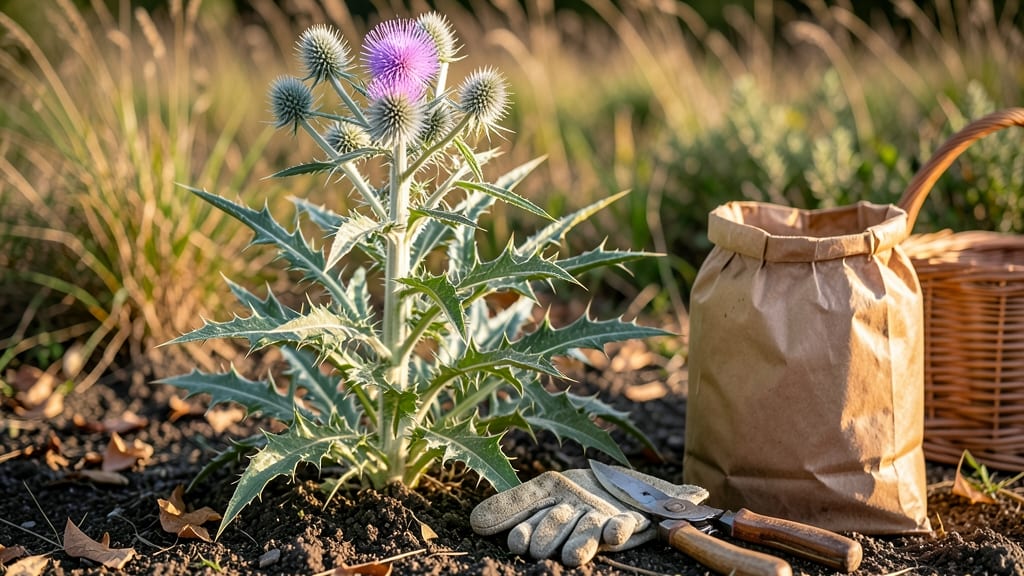
To harvest milk thistle at its peak, look for those brown, papery seed heads that snap cleanly when gently tugged — the key to preserving potency and yield.
Milk thistle 🌱 isn’t just a pretty face in the garden; its seeds are a medicinal goldmine, packed with silymarin. But timing is everything — harvest too early, and you’ll miss the antioxidant power; wait too long, and you risk losing seeds to birds or weather.
Here’s how to spot the perfect moment and avoid common mistakes that waste your hard work.
You’ll need just a few tools: thick gloves (those spines aren’t kidding), a sharp pair of pruners, and a dry, shaded spot to lay out your harvest. The goal? Collect seeds when they’re fully mature but before they scatter, ensuring you get the most from each plant.
I’ll walk you through the step-by-step process, from identifying ripe seed heads to drying and storing them for later use.
Whether you’re growing milk thistle for its medicinal benefits or just love its striking purple blooms, knowing how to harvest correctly means better results next season. Let’s turn your garden into a silymarin powerhouse — safely and efficiently.
When and how to identify ripe milk thistle seed heads for harvesting
Harvesting milk thistle seeds at the right time maximizes their medicinal potency and ensures a successful yield. The key is spotting ripe seed heads—those that are brown, papery, and dry—rather than green or unripe clusters.
These mature seed heads typically appear in late summer to early fall, around 80-120 days after planting, depending on your climate.
Start by examining the flower clusters on your milk thistle plants. When the flower petals have fallen away, leaving behind brown, spiky seed heads, that’s your first sign of readiness. These seed heads should feel lightweight and brittle when gently touched, indicating they’re fully dry and ready for harvest.
Avoid harvesting if the seed heads are still green or firm, as the seeds won’t be fully developed.
Pay attention to the environmental cues around your milk thistle plants. Seed heads ripen faster in hot, dry weather, so if you notice them drying out quickly, harvest them promptly to avoid overripeness.
Conversely, in cool or humid climates, seed heads may take longer to mature. If you’re unsure, wait a few days and recheck—the seeds will feel noticeably lighter as they dry.
Another key visual clue is the seed color inside the spiky heads. When ripe, the seeds should be a light tan or beige color. If they’re still green or white, they’re not ready for harvest.
You can also gently shake a seed head over a piece of paper—if seeds fall out easily, they’re ready. If they stay inside, wait a bit longer.
Timing is everything when it comes to harvesting milk thistle seeds. Aim for late summer to early fall, typically between August and October, depending on your location.
In USDA Zone 6a, where milk thistle thrives, the first frost in late October signals the end of the ideal harvest window. If frost is imminent, harvest immediately, even if the seed heads aren’t fully dry, and finish drying them indoors.
Protect your hands when harvesting, as milk thistle’s spines can be sharp. Wear thick gardening gloves to avoid pricks while gently twisting or snapping the seed heads from the stem. This method ensures you don’t damage the plant’s ability to produce more seeds in the future.
If you’re harvesting in full sun, do it in the early morning to avoid the heat, which can stress the plant.
Once you’ve identified the ripe seed heads, place them in a paper bag or brown paper sack to dry further. Hang the bags upside down in a well-ventilated, dry area out of direct sunlight for about 1-2 weeks.
This process allows the seeds to fully dry and loosens them from the seed heads, making them easier to separate later. Avoid using plastic bags, as they can trap moisture and lead to mold.
If you miss the ideal harvest window, don’t worry—milk thistle plants often produce secondary seed heads later in the season. Keep an eye on your plants throughout late summer and fall, and you may get a second chance to harvest.
Just remember, the earlier you harvest, the higher the silymarin content in the seeds, so timing is crucial for medicinal use.
Finally, store your dried seeds in an airtight container in a cool, dark place to preserve their potency. Properly stored seeds can last for 1-2 years, making it easy to save them for future plantings or medicinal use.
With these tips, you’ll know exactly when and how to harvest milk thistle seeds like a pro! 🌱
Step-by-step milk thistle seed harvesting techniques: snapping vs. cutting methods
Harvesting milk thistle seeds at the right moment ensures you capture the peak potency of silymarin. The two most effective methods—snapping and cutting—each have ideal scenarios. Snapping works best for smaller plants with flexible stems, while cutting is better for taller, woody stems that resist breaking.
Both require precision to avoid damaging the plant or losing seeds to birds.
Before you begin, gather your tools: heavy-duty gloves (milk thistle spines are sharp!), a pair of sharp pruners, and a large paper bag for collecting seeds. Work on a dry, sunny day to minimize moisture, which can lead to mold during drying.
Timing is critical—wait until the seed heads turn brown and papery, signaling maturity, but act before the seeds scatter naturally.
Step-by-Step Milk Thistle Seed Harvesting
-
Step 1: Identify Ripe Seed Heads
Look for brown, dry seed heads that feel crisp when touched. Avoid green or partially brown heads—they’re not yet mature.
-
Step 2: Choose Your Method
Snapping: Gently grasp the stem below the seed head and bend it sharply away from the plant. It should snap cleanly near the base. Cutting: Use pruners to slice the stem 1-2 inches below the seed head for thicker stems.
-
Step 3: Handle with Care
Wear gloves to protect your hands from spines. Place harvested seed heads directly into your paper bag to prevent seed loss.
-
Step 4: Dry the Seed Heads
Spread the heads in a single layer on a clean, dry surface (like a screen or tray) in a shaded, well-ventilated area for 1-2 weeks. Stir occasionally to ensure even drying.
-
Step 5: Extract the Seeds
Once fully dry, rub the seed heads between your hands or use a clean cloth to release the seeds. Store them in an airtight container in a cool, dark place for up to 2 years.
If you’re harvesting from a large patch, prioritize the outermost seed heads first to avoid shading inner plants. This also prevents overcrowding, which can reduce seed quality. For smaller gardens, focus on one plant at a time to maintain order and make the process more manageable.
After harvesting, leave 1-2 seed heads on the plant if you plan to save seeds for next season. This ensures natural reseeding and can even attract beneficial insects to your garden.
Just be mindful of bird activity—they love milk thistle seeds too! Cover seed heads with light mesh netting if birds are a persistent problem.
Proper storage is just as important as harvesting. Once dried, keep seeds in a glass jar or sealed container away from moisture and light. Label the container with the harvest date to track freshness.
With the right techniques, you’ll enjoy a bountiful harvest of high-quality milk thistle seeds ready for medicinal use or replanting.