
How To
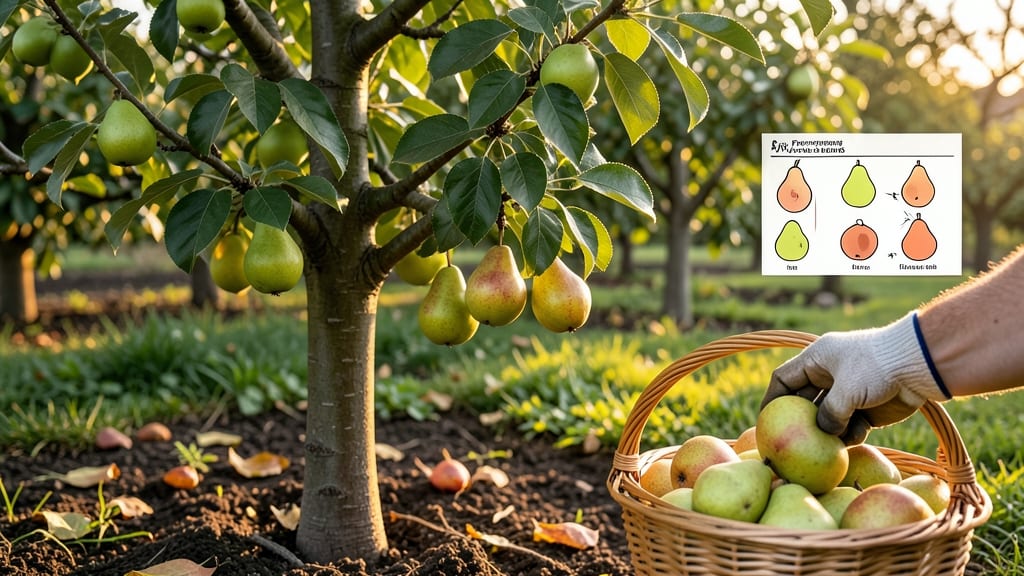
Harvesting Bartlett pears 🍐 at the right time ensures sweet, flavorful fruit—when they’re firm but yield slightly to gentle pressure and emit a fragrant aroma.
Too early, and you’ll end up with bland, mealy pears; too late, and they’ll rot on the branch. The trick? Watch for that perfect balance of color, texture, and scent—signs that tell you the fruit is ready to pick.
In USDA Zone 6, Bartlett pears typically ripen between late August and early October, but timing can shift based on your microclimate and tree maturity. Below, I’ll walk you through the three key ripeness tests and how to adjust for cooler or warmer seasons.
Once you master the harvest, I’ll share pro tips for storage—how to ripen them indoors and keep them fresh for weeks—so you can enjoy homegrown pears long after the season ends.
How to test Bartlett pear ripeness: 3 key signs to harvest
Bartlett pears are finicky about timing—pick them too soon, and you’ll end up with mealy, flavorless fruit. Wait too long, and they’ll rot on the tree or fall victim to pests.
The secret lies in three simple but critical tests: skin firmness, color transformation, and aroma cues. These signs work together to tell you exactly when to harvest for peak sweetness and texture.
First, let’s address the most common mistake: assuming size equals ripeness. Many gardeners pick pears based on size alone, but Bartletts need both size AND ripeness cues. A fully grown pear that’s still hard or green won’t improve off the tree—it’ll just stay tough and bland.
The key is combining all three tests before you make the cut.
🌱 3 Signs Your Bartlett Pears Are Ready to Harvest
-
1. Skin Firmness Test
Press gently near the stem—ripe pears yield slightly (like a ripe avocado) but don’t feel mushy. If the skin springs back immediately, wait 3–5 days. -
2. Color Change
Look for yellow or golden-brown hues replacing green. Some varieties develop blush or russeting—these are good signs! Avoid pears with green patches unless your region has cool summers. -
3. Aroma Test
Sniff near the stem—ripe Bartletts smell sweet and fragrant. A neutral or sour smell means they’re not ready. Pro tip: Check on a warm, sunny afternoon when scents are strongest.
⚠️ Common Mistake: Picking pears that detach too easily—this often means they’re overripe and past their prime. Aim for a gentle twist that separates the fruit cleanly from the stem.
Let’s dive deeper into the skin firmness test, which is the most reliable indicator. Use your thumb to press near the stem—ripe Bartletts should give slightly but not feel soft.
Think of it like testing a ripe peach: firm enough to hold its shape, but yielding enough to know it’s ready. If you press and the skin immediately springs back, the pear needs more time on the tree.
Color is your second clue, but it varies by climate and variety. In hotter regions, Bartletts often ripen to a bright yellow with russeting.
In cooler areas, they might stay greenish-yellow until fully ripe. Never judge ripeness by color alone—always combine it with the firmness and aroma tests for accuracy.
The aroma test is where Bartletts truly shine. A ripe pear releases a distinct sweet, floral fragrance near the stem. If you’re unsure, try this trick: Twist a pear gently from the tree and sniff the stem end—intense sweetness means it’s ready.
A lack of scent? Wait another week.
Timing matters too—harvest Bartletts in late summer to early fall, typically between August and October, depending on your USDA zone. In Zone 6 or cooler, aim for late August to September to avoid early frosts.
In warmer zones (8–10), they may ripen as late as October or November.
One final pro tip: Harvest on a dry morning to prevent disease spread. Use clean pruners or a fruit pick to avoid damaging the tree, and never pull pears from the branch—this can tear the stem and invite rot.
Store harvested pears in a cool, dark place (like a basement) to slow ripening if you’re not ready to eat them.
Mastering these three tests will turn your Bartlett harvest from hit-or-miss to consistently perfect. The next time you’re standing under your tree with a basket in hand, take a moment to press, sniff, and observe—your taste buds will thank you! 🍐
Bartlett pear harvest timeline: month-by-month guide by climate Zone
Timing your Bartlett pear harvest depends on your USDA climate zone and local weather patterns. In cooler zones (5–7), pears typically ripen 2–4 weeks later than in warmer zones (8–10).
Early varieties may ripen in late August, while late varieties can hold until October. Always prioritize fruit firmness and aroma over calendar dates.
Weather plays a critical role—hot summers accelerate ripening, while cool springs delay it. Monitor your tree closely, as unpredictable frost in zones 5–6 can force early harvests.
Use a harvest calendar as a guide, but never rely on it exclusively. Adjust based on your tree’s unique cues, like skin color shifts and stem separation.
In USDA zones 5–6, watch for first frost warnings in late September.
If frost threatens before pears ripen, harvest early and store them in a cool, dark place to finish ripening indoors. Zone 7–8 gardeners often enjoy the longest harvest window, with pears ripening gradually from August through September.
In zones 9–10, heat can cause pears to ripen too quickly, so harvest frequently to avoid overripe fruit.
Adjust your harvest timeline if your tree experiences stress, like drought or pests. Stressed trees may produce smaller, less flavorful fruit that ripens earlier than expected. Always test fruit firmness—a ripe Bartlett pear should yield slightly when pressed near the stem but not feel mushy.
If you’re unsure, harvest a few test pears and store them at room temperature for 3–5 days to see if they soften and develop sweet aroma.
Pro tip: Keep a harvest journal to track your tree’s ripening patterns year over year. Note the first frost date, summer temperatures, and any unusual weather events. Over time, you’ll refine your timing to match your local microclimate.
For example, a sheltered valley may stay warmer longer than an exposed hilltop, delaying ripening by 1–2 weeks.
Never harvest Bartlett pears after they’ve fallen to the ground—this signals overripeness and poor storage potential. Instead, pick them just before they’re fully ripe for longer shelf life. With the right timing, you’ll enjoy juicy, sweet pears straight from your tree all season long. Happy harvesting! 🍐