
Vegetables
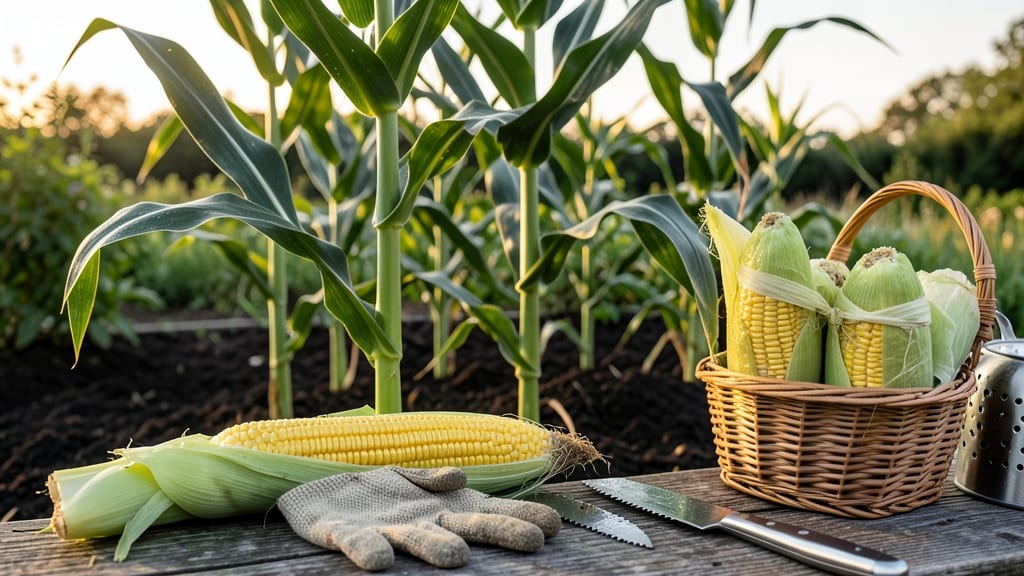
Harvesting sweet corn 🌽 at the right time means the difference between buttery perfection and tough, starchy disappointment.
There’s nothing like biting into a freshly picked ear of sweet corn—juicy, tender, and bursting with flavor—but timing your harvest perfectly is the secret to avoiding tough, starchy kernels.
Most varieties reach peak sweetness when silks turn brown and kernels plump up like tiny pearls, but weather, variety, and even morning dew can shift that window faster than you think.
In this guide, I’ll walk you through the exact cues to watch for, the best time of day to harvest, and how to keep your corn sweet long after it’s off the stalk—so you never miss that golden moment again.

How to identify the perfect sweet corn harvest time by visual cues
Harvesting sweet corn at the right moment transforms your garden into a treasure trove of juicy, tender kernels. The key lies in understanding three critical visual cues: silk color, kernel development, and plant maturity.
Miss these signs, and you risk starchy, tough kernels that ruin the sweet experience. Let’s break down exactly what to look for and when to act.
First, focus on the silks—those delicate strands emerging from the ear. When they first appear, they’re bright green and moist, signaling early pollination. But as the plant matures, these silks dry out and turn brown, usually within 24-48 hours of reaching peak harvest readiness.
This color change is your first green light to check the kernels.
Next, examine the kernels themselves. At the perfect harvest time, they should feel plump and firm to the touch. Press a kernel gently with your fingernail—if it releases a milky white liquid, that’s your confirmation.
This liquid is sugar-rich sap, the hallmark of peak sweetness. If the kernel feels hard or releases clear water instead, it’s past its prime.
Don’t overlook the ear’s overall appearance. A ready-to-harvest ear feels full and heavy in your hand, with kernels that fill the entire cob without gaps. If the ear feels light or hollow, it hasn’t fully matured yet.
Even worse, if the kernels start drying out or shrinking, you’ve missed the window.
Here’s where many gardeners go wrong: they wait too long after the silks brown, assuming more time means sweeter corn. In reality, overripe corn converts sugar to starch, turning your harvest into a woody, flavorless disappointment.
The 24-48 hour window after silks brown is your golden opportunity—act fast!
Pro tip: Harvest in the morning when temperatures are cooler. This preserves the sugar content and prevents the kernels from converting to starch too quickly. If you’re unsure, harvest a few ears early—you can always leave more on the stalk for a second harvest if needed.
Most sweet corn varieties produce multiple ears per plant, so don’t rush!
Regional differences can also affect timing. In warmer climates, sweet corn may mature faster, while cooler regions might need an extra week or two. Pay attention to your local frost dates and adjust accordingly. If your area experiences early fall frosts, prioritize harvesting the earliest-maturing varieties first.
One final trick: Look for the "husk pull" test. Gently grasp the outer husk and pull it back slightly. If the inner husk is dry and papery, the ear is ready.
If it’s still green and moist, wait a day or two. This simple check saves you from overlooking ripe ears hidden beneath damp husks.
Remember, patience and observation are your best tools. Spend a few minutes each day inspecting your plants
Best practices for harvesting sweet corn at its peak flavor and texture
Harvesting sweet corn at the right time of day can make or break that buttery, juicy texture you crave. I’ve learned the hard way—morning harvests guarantee the sweetest kernels, while evening picks often leave you with starchy, tough cobs.
The ideal window is between 8 AM and 10 AM, when temperatures are cooler and sugars haven’t converted to starch yet.
Beyond timing, the proper technique matters just as much. Grab the ear firmly near the base and twist—don’t yank—to avoid damaging the plant. I always check two ears per stalk to maximize yield without overharvesting.
And here’s a pro tip: Harvest every 2-3 days once your plants start producing, because corn ripenes unevenly on the same stalk.
⚠️ callout warning
Once silks turn brown and kernels dent when pressed, your corn is past peak. Starchy kernels develop within 24-48 hours of ideal harvest time. Check daily during your plant’s harvest window (usually 70-90 days after planting) to avoid missing the sweet spot.
Regional Tip: Northern gardeners should harvest 1-2 weeks earlier than Southern zones due to cooler temps slowing sugar conversion.
The kernel test is my foolproof method for nailing perfect sweetness. Pierce a kernel with your fingernail—if it releases a milky liquid, it’s ready. Hard kernels mean wait 1-2 days, while kernels that oozes water signal it’s overripe.
I also look for plump, full ears that feel heavy in my hand—those are the sweetest and juiciest picks.
After harvesting, cool your corn immediately to lock in freshness. I run freshly picked ears under cold water for 30 seconds, then store them in the fridge crisper drawer (not the freezer—freezing kills crunch).
For long-term storage, blanch ears for 4 minutes in boiling water before freezing—this preserves texture and sweetness for up to 9 months. Pro move: Label your frozen corn with the harvest date!
Don’t forget about post-harvest plant care. After harvesting, I trim dead leaves and water deeply to encourage new ear development. Some varieties (like supersweet corn) produce secondary ears, so keep an eye out for new silk growth—these often ripen 2-3 weeks later than the first harvest.
One final tip: Harvest on overcast days if you must harvest in the evening. Direct sunlight heats up ears quickly, converting sugars to starch faster. And always harvest with a sharp knife—dull tools crush kernels, making them less appealing even at peak ripeness.
With these tricks, you’ll enjoy homegrown sweet corn at its absolute best, every single time. 🌽