
Vegetables
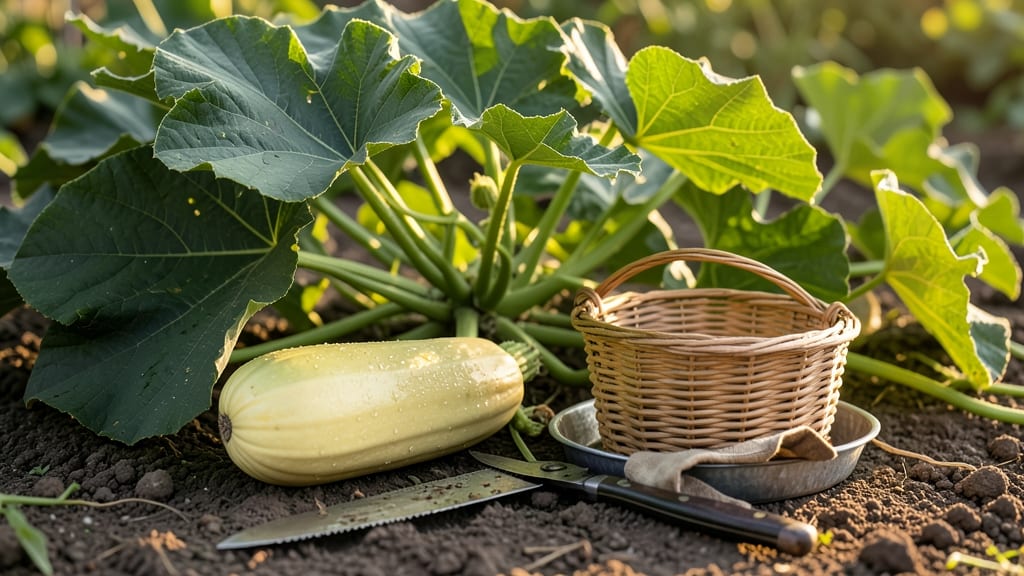
The spaghetti squash harvest time arrives when the rind turns a dull golden hue and the vines begin to yellow—two signs you can’t ignore if you want that perfect stringy texture.
If you’ve ever sliced into a squash that was still tough or mushy, you know how frustrating it can be. The difference between a perfect harvest and a disappointing one often comes down to timing—specifically, these three visual cues that tell you it’s time to pick.
First, the skin shifts from green to a matte yellow, almost like a 🎃 left in the sun too long. Next, the stem dries out and detaches easily, while the flesh inside feels heavy for its size.
Miss these signals, and you might end up with a squash that’s either too hard or too soft to enjoy.
Below, I’ll walk you through exactly how to test for ripeness, the best time of day to harvest, and how to store your squash so it stays fresh and flavorful for weeks—no guesswork required.
3 Unmistakable visual signs your spaghetti squash is ready to harvest
Harvesting spaghetti squash at the perfect moment transforms your garden bounty into a stringy, flavorful delight. But how do you know when it's truly ready? Unlike some squashes that rely on size, spaghetti squash demands three clear visual cues that signal peak ripeness.
Ignoring these can leave you with either a tough, underdeveloped squash or an overripe one that's past its prime. Let me show you exactly what to look for in your own garden.
The first mistake many gardeners make is waiting for the squash to reach a specific size. While mature spaghetti squash typically weighs 3-5 pounds, size alone isn't enough to guarantee perfect texture.
You absolutely need to combine size with these three visual indicators to ensure you're harvesting at the optimal moment for that signature stringy flesh we all love. Trust me, your taste buds will thank you when you nail these cues.
Let me explain why the rind color change is so critical. That dull yellow hue isn't just about aesthetics—it signals the squash's cellulose content has peaked. When the skin remains green, the flesh stays tough and fibrous because the plant is still actively growing.
But once it turns that perfect matte yellow, the starches inside convert into sugars and fibers that create that magical spaghetti-like texture when cooked. I've learned this the hard way by harvesting too early!
The stem drying is often overlooked, but it's your squash's way of saying "I'm done growing!" When the stem dries and detaches easily, it means the plant has stopped sending nutrients to the fruit. This is nature's way of telling you the squash has reached its ideal maturity.
I always test this by gently twisting the stem—if it snaps cleanly with just a little resistance, that's your green light to harvest. This cue works even better than checking the weight alone.
Don't make the mistake of harvesting based solely on the seed cavity feeling hollow. While this is a great indicator, you still need to combine it with the other two signs. I once harvested a squash with a hollow center but still-green skin, and the flesh was disappointingly tough.
The cavity forms last in the ripening process, so always check it as your final confirmation. Remember, you're aiming for that perfect balance where all three visual cues align.
Here's a pro tip that saved my harvest last season: harvest in the morning when the squash has had a full night to cool. This prevents the rind from softening too quickly after picking, which can happen if you harvest when the squash is warm from the sun.
I store my freshly harvested squash in a cool, dry place for 24 hours before cooking to let any residual field heat dissipate. This simple step makes a noticeable difference in texture.
If you're growing spaghetti squash in cooler climates, watch for these signs even more carefully. In zones with shorter growing seasons, the squash might mature faster, and you risk missing the window if you're not paying attention.
I've found that in Zone 6a, the first frost can sneak up quickly in October, so I prioritize checking these visual cues by mid-September. When in doubt, err on the side of harvesting slightly early—you can always let it cure indoors for a few days.
One common mistake is confusing overripe squash with perfectly ripe ones. Overripe squash will have a wrinkled rind, a stem that's completely dry and crumbly, and a hollow center that feels too soft. The flesh will be watery and lose its stringy quality.
To avoid this, I set a reminder to check my squash every 2-3 days once they start showing color changes. Consistency is key when you're dealing with such a precise harvest window.
Finally, let me share my personal harvest ritual: I always use a sharp knife to cut the stem, leaving about an inch attached to the squash. This helps prevent rot during storage.
Then I let them cure in a warm, dry spot for 3-5 days before storing them in a cool, dark place. This curing process enhances flavor and texture. When you follow these visual cues and post-harvest steps, you'll consistently get that perfect stringy texture that makes spaghetti squash worth growing.
How to test for perfect stringy texture: the finger-poke method
The finger-poke method is my go-to trick for determining if a spaghetti squash has reached that ideal stringy texture. Unlike other squashes, spaghetti squash needs to be harvested at just the right moment—too soon and the flesh is tough, too late and it turns mushy.
This simple test takes seconds and eliminates all the guesswork.
Start by gently pressing your fingernail into the squash’s skin near the blossom end. If it gives slightly and leaves a small dent, the squash likely needs 1-2 more weeks to mature.
But when the skin resists your fingernail completely—meaning you can’t even make a shallow indentation—that’s your cue to harvest. This resistance indicates the starch conversion inside is nearly complete.
If your squash passes the fingernail test but still feels slightly soft when you shake it gently, it’s not quite ready. The flesh should feel heavy for its size—almost like a small watermelon.
Light squashes often indicate underripe fruit, while overly heavy ones may be overripe. Aim for that balanced weight that signals perfect ripeness.
What if your squash is overripe? Look for these telltale signs: the skin may develop soft spots, the stem might detach easily, and the squash will feel noticeably lighter.
Overripe squash loses its sweetness and develops a hollow sound when tapped. In this case, harvest immediately and use it within 3-5 days for the best flavor.
For underripe squash, extend its time on the vine by 1-2 weeks, but monitor for pests or weather changes. If frost threatens before your squash ripens, harvest it anyway—it’ll still be edible, though the texture may be slightly firmer.
Store it in a cool, dry place for 1-2 weeks to let it finish ripening indoors.
Remember, the finger-poke method works best when combined with the visual cues of a dull yellow skin and dried vines. Together, they give you a foolproof way to harvest spaghetti squash at its peak—just in time for that perfect stringy texture you’ve been dreaming of. Happy harvesting!