
How To
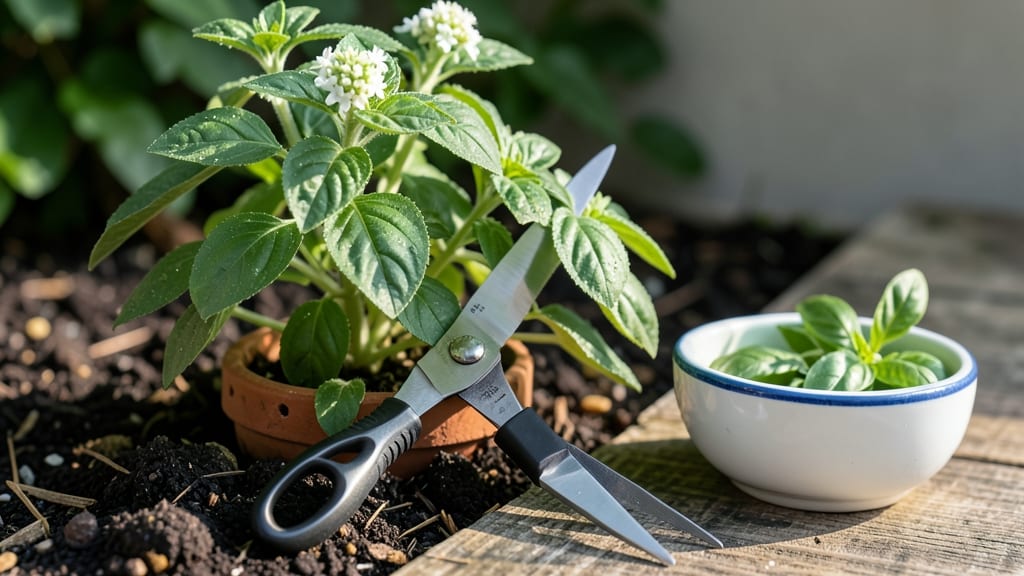
Harvesting basil the proper way ensures your plants stay lush and productive all season long 🌿 — and it’s easier than you think.
Want lush, productive basil plants all season long? Harvesting incorrectly can stunt growth—or worse, kill your plant. Follow these expert techniques to ensure your basil thrives while you enjoy a steady supply of fresh leaves.
Most gardeners make one of two mistakes: either they wait too long to harvest, letting the plant flower and go to seed, or they snip too aggressively, leaving the stems damaged.
The key is timing and technique—pinching the right leaves at the right stage keeps your basil bushy and full of flavor.
In this guide, I’ll walk you through the exact steps to harvest basil for regrowth, from when to start (hint: it’s before the flowers appear) to how to cut without harming the plant. You’ll also learn how to avoid common pitfalls and keep your basil thriving for weeks.
When and how to pinch basil leaves for maximum regrowth
Harvesting basil at the right time and in the right way is the secret to a plant that keeps giving all season. Unlike many herbs, basil responds beautifully to regular pinching—a technique that encourages bushier growth and prevents leggy, sparse plants.
The key is timing: you want to harvest before flowering when the plant is still putting energy into leaf production, not seed development. This simple method transforms your basil from a single-stemmed stalk into a lush, productive bush.
Science backs this up too. When you pinch basil correctly, you trigger auxin hormone redistribution, which stimulates lateral bud growth. This means more stems, more leaves, and a longer harvest window.
But timing is everything—wait too long, and your plant will shift focus to flowering, leaving you with bitter leaves and fewer harvests. Let’s break down the exact steps to pinch basil for maximum regrowth, so you never run out of fresh leaves again.
The Proper Way to Harvest Basil
- 1 Wait for the right growth stage: Harvest when your basil reaches 6-8 inches tall and has at least 4-6 true leaves. This ensures the plant has enough energy to regrow.
- 2 Choose the right leaves: Pinch the youngest leaves at the top of the stem, just above a leaf node. Avoid cutting the main stem—this encourages branching. Use your thumb and forefinger for a clean pinch.
- 3 Pinch at the correct angle: Make your pinch just above a leaf node (where leaves grow out). This signals the plant to grow new branches from that spot. Never cut more than one-third of the plant at once.
- 4 Harvest in the morning: Basil leaves are most flavorful and hydrated in the morning. Pinch after dew has dried (around 8-10 AM) for the best results. Avoid harvesting after dark.
- 5 Encourage regrowth: After pinching, water the plant at the base (not the leaves) to reduce disease risk. Within 7-10 days, you’ll see new growth sprouting from the pinched nodes.
- 6 Repeat every 2-3 weeks: Consistency is key. Pinch basil every 2-3 weeks during the growing season (spring to early fall) to maintain bushy growth. Stop harvesting once flowers appear—this signals the end of the plant’s productive cycle.
One of the biggest mistakes I see gardeners make is cutting the main stem instead of pinching the top leaves. This removes the plant’s growth point and can stunt future harvests. Instead, think of pinching as a way to prune for productivity.
By always targeting the youngest leaves, you’re essentially telling the plant, “Grow more branches so I can keep harvesting!” This method works for all basil varieties, from Genovese to Thai basil, though some types (like Purple basil) may need slightly gentler handling.
You’ll know you’re doing it right when your basil starts looking like a mini shrub instead of a single stalk. Within a few weeks, you’ll have multiple stems with dense foliage, giving you a continuous supply of leaves without sacrificing the plant’s health.
Just remember: less is more. Over-harvesting weakens the plant, so always leave at least half the leaves intact to keep photosynthesis flowing. Your basil will thank you with bold, flavorful leaves all season long.
Pro tip: If your basil starts to bolt (send up flower stalks), it’s past the prime harvesting window. While you can still use the leaves (they’ll be slightly bitter), focus on saving seeds or letting the plant go to seed if you want to propagate it next year.
But with the right pinching technique, you’ll avoid this altogether and enjoy fresh basil straight from your garden for months.
For container-grown basil, the same rules apply, but be extra cautious with root-bound plants. If your basil is crowded in a small pot, pinching too aggressively can stress the roots. In this case, harvest lightly and consider repotting if you notice roots circling the bottom of the container.
A 5-7 gallon pot gives basil enough room to thrive without competing for nutrients.
Finally, don’t forget to rotate your basil plant every few days if it’s in a window garden. This ensures all sides get equal sunlight, preventing leggy growth.
Combined with proper pinching, your basil will grow strong, bushy, and ready for harvest—giving you a steady supply of fresh leaves for pesto, salads, or cooking all season.
With these techniques, you’ll transform your basil from a single-stemmed disappointment into a flourishing, leaf-producing machine. Happy pinching—and enjoy that homegrown basil flavor! 🌿
Common harvesting mistakes that kill basil plants (and how to avoid them)
Even experienced gardeners accidentally kill their basil plants by harvesting too aggressively or at the wrong time. The most common mistake? Cutting too much too soon, which stresses the plant and halts regrowth.
I’ve seen basil plants go from thriving to struggling in just a few weeks because of these avoidable errors.
Another frequent issue is harvesting flowering stems or lower leaves first. These mistakes force the plant to divert energy away from leaf production, leaving you with sparse, bitter-tasting foliage. The key is to understand what your basil needs at each growth stage and adjust your harvesting technique accordingly.
Let’s start with the most critical mistake: harvesting too much at once. Many gardeners assume that cutting all the leaves will encourage more growth, but this actually shocks the plant. Basil needs at least one-third of its leaves to continue photosynthesizing and producing new growth.
⚠️ Warning: The Wrong Way to Harvest Basil
Never cut more than one-third of the plant in a single session. Always harvest from the top third of the plant, never the bottom leaves or flowering stems. Use clean, sharp pruning shears and make cuts just above a leaf node to encourage branching.
Ignoring growth signals is another silent killer. Healthy basil should have vibrant green leaves and firm stems. If your plant looks leggy or sparse, it’s already struggling. I recommend checking your basil every 3-5 days for early signs of stress, like yellowing leaves or slow regrowth after harvesting.
One of the biggest misconceptions is that you should wait until the plant is fully mature to harvest. In reality, young leaves are the most flavorful, and pinching them early encourages bushier growth.
Start harvesting when your basil reaches 6-8 inches tall—this is when it’s ready for its first trim.
Finally, harvesting at the wrong time of day can reduce flavor and even damage the plant. Always harvest in the morning after the dew has dried but before the sun is at its peak.
This ensures the leaves are hydrated and packed with essential oils for the best flavor and aroma.
By avoiding these common mistakes, your basil will stay lush and productive all season long—no more sad, stunted plants! The secret is patience and precision. 🌿