
How To
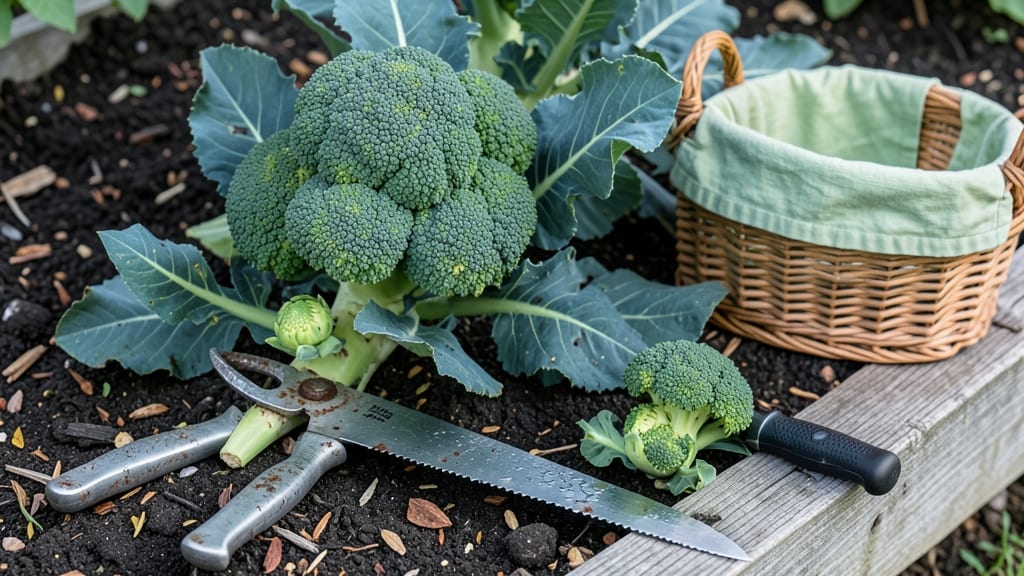
Harvesting broccoli at the right time ensures sweet, tender florets and the chance for a second harvest—miss these stages, and you risk bitter, woody heads or wasted effort.
Wondering when to pick your 🥦 broccoli for the best flavor—and whether you can get a second harvest? Timing is everything when it comes to maximizing yield and taste, and missing these key stages could mean wasted effort (or bitter florets!).
Most varieties take 50 to 80 days to reach harvest, but the real secret lies in watching for tight, dark green florets that are 4 to 8 inches wide—never let them yellow or spread open, or you’ll lose that crisp, fresh taste.
Below, I’ll break down the three critical harvest stages, how to spot overmaturity, and the simple trick to coax a second flush of side shoots from your plant.
Broccoli harvest timeline: when to pick for optimal flavor & size
Timing your broccoli harvest is the secret to peak flavor and maximum yield. Most varieties reach harvest readiness between 50 to 80 days after transplanting, but hitting the sweet spot—around 60 days—delivers the best balance of tenderness and nutrition.
Harvest too early, and you’ll get underdeveloped, bitter florets. Wait too long, and the heads turn woody or bolt into bitter-tasting flowers.
Visual cues are your best guide. Look for tight, compact florets that are dark green and 4 to 8 inches wide. The stalks should be 1 to 2 inches thick and sturdy enough to support the weight.
If you see yellowing florets or the head starts to spread, it’s past its prime—your window for harvest has closed.
Here’s the breakdown of what to expect at each stage, including how to spot the perfect harvest moment and avoid common mistakes that ruin flavor or regrowth potential:
Harvesting at the right time isn’t just about taste—it’s also about regrowth potential. If you’re growing a variety like Calabrese, cutting the main head properly (leave 4-6 inches of stem) triggers side shoots that can produce additional harvests for weeks.
But if you wait too long, the plant’s energy shifts to flower production, and those side shoots won’t form.
Environmental factors like temperature and daylight also play a role. Broccoli thrives in cool weather (55-75°F). If summer heat sets in, heads may mature faster but taste bitter.
In these cases, harvest earlier (around 50 days) to avoid bolting. Conversely, in cooler climates, you might extend the window to 70 days without sacrificing quality.
Pro tip: Use a sharp knife or pruners to cut the stem at a 45-degree angle just below the head. This reduces water loss and speeds healing, which is critical if you’re banking on side shoots.
Avoid tearing the stem—this damages the plant and invites pests like cabbage worms.
One common mistake is assuming all broccoli varieties have the same harvest window. Purple Sprouting types, for example, can take up to 100 days to mature and are often harvested in winter, while Romanesco (a fractal-shaped cousin) is ready in 70-90 days.
Always check your seed packet for specific variety guidelines—this ensures you’re not missing the optimal harvest window.
Finally, pay attention to the leaves. Healthy, dark green leaves mean the plant is thriving and storing energy in the head. Yellowing or wilted leaves signal stress—whether from underwatering, overwatering, or nutrient deficiency. Address these issues immediately, as stressed plants produce smaller, lower-quality heads.
Mastering the broccoli harvest timeline takes practice, but once you nail it, you’ll enjoy sweeter, more tender florets and the satisfaction of maximizing your plant’s potential.
Start by bookmarking this guide, then head to your garden with your pruners—your next perfect broccoli head is just 55-65 days away! 🥦
Can you regrow broccoli after harvest? Stages for second (or third!) Flushes
Great news: broccoli plants are perennial in mild climates and can produce multiple harvests if you cut them correctly. After harvesting the main head, the plant often sends out side shoots (also called "secondary heads") that can be just as flavorful.
With proper care, you might even get a third flush before frost! The key lies in knowing when and how to cut the stem to trigger regrowth.
Most gardeners focus on harvesting the primary floret but miss the magic of side shoots. These smaller heads form along the main stalk and can be harvested 4-6 weeks after the first cut.
However, timing your harvest wrong—or using the wrong cutting technique—can kill regrowth chances. Let’s break down the exact steps to maximize your broccoli’s second (and third!) harvests.
⚠️ callout-warning
⚠️ Mistake That Ruins Regrowth
Cutting the stem too high or too low is the #1 reason broccoli fails to regrow. The 4-6 inch stub left after harvest must include 2-3 leaf nodes below the cut. If you leave too little, the plant won’t have energy to produce side shoots. If you cut too high, you risk damaging the growing point. Aim for a clean, angled cut just above a set of leaves—this ensures the plant can redirect energy to new growth.
Start by harvesting your main broccoli head when it’s firm, compact, and dark green (usually 50-80 days after transplanting). Use a sharp knife or pruners to cut the stalk 4-6 inches below the head, leaving 2-3 leaf nodes.
These nodes are where new side shoots will emerge. After cutting, water deeply to reduce stress on the plant and encourage recovery.
Within 2-3 weeks, you’ll notice small buds forming along the stem. These are your secondary heads, and they’ll grow larger over the next 3-4 weeks. To maximize yield, harvest these side shoots early—they’re ready when they reach 3-5 inches in diameter.
Unlike the main head, these smaller florets are sweeter and more tender, making them perfect for quick cooking or stir-fries.
For a third flush, continue cutting the smallest side shoots first to allow the largest ones to mature. If your climate stays cool (below 75°F), the plant may produce one more round of growth before frost.
However, heat stress or drought can halt regrowth, so keep soil consistently moist and mulch to retain moisture. A light application of nitrogen-rich fertilizer after the first harvest can also boost side shoot production.
Don’t forget to prune yellow or diseased leaves regularly to keep the plant healthy. Overcrowded plants may produce smaller side shoots, so thin seedlings early if you’re growing from seed.
With the right care, a single broccoli plant can give you up to 3 pounds of edible florets over its lifetime—making it one of the most efficient vegetables to grow in your garden! 🌱