
Picking
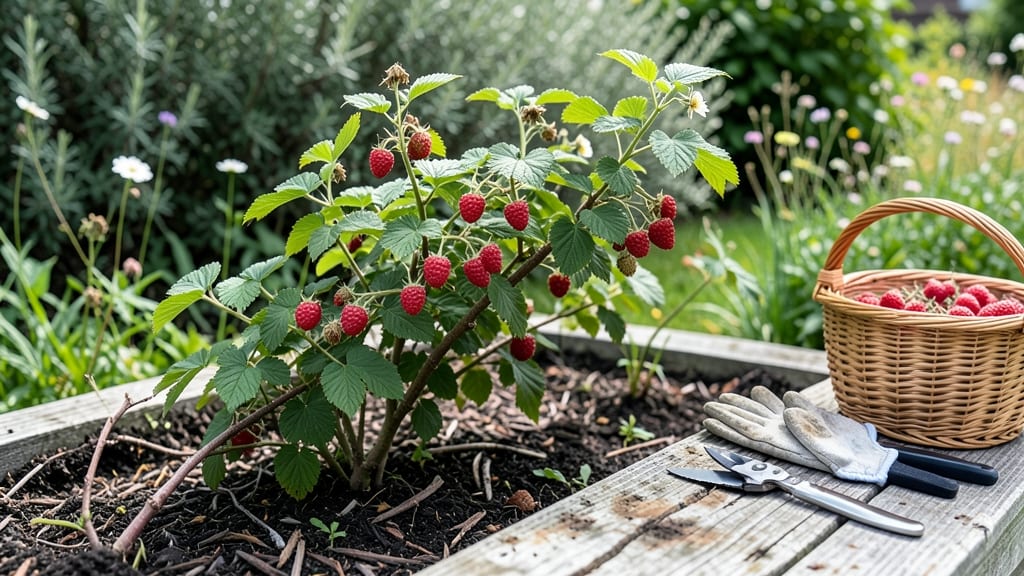
The raspberry harvest season transforms your garden into a sweet, juicy treasure trove—but timing it right means the difference between perfect berries and a missed opportunity.
Picture this: you’re standing in the garden, surrounded by 🍓 bushes heavy with ripe fruit, ready to pluck handfuls of berries that burst with flavor. But if you pick too early, they’re tart and underdeveloped; too late, and they turn to mush.
Knowing when raspberries are truly ready to harvest—and how to prep your plants for peak production—is the key to a bountiful, delicious yield.
From early summer’s first flush to late-season varieties, the harvest window varies by climate zone, variety, and even sunlight exposure. Whether you’re in USDA Zone 6a or further south, understanding these factors ensures you never miss the sweetest, ripest berries of the year.
In this guide, I’ll walk you through when to expect your raspberry harvest, how to spot perfectly ripe berries, and the simple steps to keep your plants thriving—so you can enjoy that first taste of summer in every bite.
Raspberry harvest season by climate Zone: when to pick ripe berries
Timing your raspberry harvest is like catching a wave—too early, and you’re left with tart, underripe berries; too late, and they turn to mush. The perfect harvest window depends on your USDA climate zone, raspberry variety, and even your local microclimate.
Whether you grow summer-bearing (one harvest), fall-bearing (one harvest), or everbearing (two harvests) varieties, knowing these zone-specific cues will transform your yield from "meh" to "magnificent."
In cooler zones (3-6), raspberries often ripen later due to shorter growing seasons, while warmer zones (7-10) may see earlier harvests with extended fruiting periods.
For example, my Pacific Northwest garden (Zone 7) typically enjoys a June-to-September harvest, while Southern Florida (Zone 10) can stretch fruiting into October or November. The key? Understanding your first flush, peak production, and—if you’re lucky—second harvest for everbearing types.
🌱 Pro Tip: Everbearing varieties like 'Heritage' or 'Caroline' produce two harvests per year—one in early summer and another in fall. Summer-bearing types like 'Boyne' or 'Dorman Red' focus all their energy on a single mid-to-late summer harvest. Plan accordingly!
If you live in the Pacific Northwest (Zones 7-9), you’ll likely see your first flush in late June, with peak production stretching into August. Everbearing varieties might surprise you with a second harvest in September or October, especially if temperatures stay mild.
In contrast, Southern states (Zones 8-10) often enjoy an earlier start—May or June—with some varieties fruiting continuously until first frost.
For Midwestern gardeners (Zones 5-6), timing is critical. A late spring frost can delay ripening, so monitor your plants closely. In my Zone 6 garden, I’ve learned to harvest aggressively in July to encourage a second flush, even if it’s smaller.
The trick? Prune canes after harvest to redirect energy for next year’s crop.
Regional microclimates also play a role. Coastal areas (like Oregon or California) tend to have cooler, foggier summers, delaying ripening by 1-2 weeks compared to inland zones.
Meanwhile, desert regions (e.g., Arizona) may see earlier harvests due to intense sunlight, but berries can overripe quickly in 100°F+ heat. Always adjust your expectations based on local conditions.
Don’t forget that soil temperature affects ripening too. Raspberries need soil temps above 60°F to fruit well. In cooler zones, use black plastic mulch or row covers to warm the soil and jumpstart the season.
In hotter zones, provide afternoon shade to prevent sunburn on tender canes and berries.
Finally, everbearing varieties deserve special attention. These plants produce two distinct harvests: the first in early summer (from primocanes, last year’s growth) and the second in fall (from floricanes, current year’s canes).
To maximize both harvests, prune out old canes after the first harvest and avoid heavy fertilizing in late summer, which can reduce fall fruiting.
🌿 Action Step: Mark your calendar for 2-3 weekly harvests during peak season. Use a small basket (not metal—it bruises berries) and pick in the morning when berries are coolest and firmest. Store harvested ber
How to tell when raspberries are perfectly ripe (and how to extend their shelf life)
Picking raspberries at the peak of ripeness transforms a good harvest into a flavor explosion. The difference between tart and sweet often comes down to three key visual cues—color, texture, and scent—that I’ve learned to watch for over years of growing my own.
Ignoring these signs means missing the sweetest berries or dealing with overripe mush that’s perfect for jam but not much else.
First, let’s talk about the color transformation that signals ripeness. While green or pale berries are clearly not ready, fully colored fruit isn’t always the end of the story—some varieties develop deep, rich hues like ruby red or deep purple-black.
The key is uniformity across the berry, not just patches of color. For example, my Heritage raspberries turn a stunning dark red when fully ripe, while golden varieties develop a warm amber glow.
Numbered Highlights: Raspberry Ripeness Checklist
- 🍇 1. Color Uniformity: Berries should be fully colored (no green patches) and bright, not dull. Example: Heritage turns deep red, Boyne becomes glossy black.
- 👆 2. Gentle Give: Press lightly—ripe berries yield slightly but don’t squish. Think firm yet plump, like a ripe peach.
- 🌿 3. Aroma Test: Hold a cluster to your nose—sweet, floral scent means peak ripeness. No smell? Not ready yet.
- ✂️ 4. Easy Detachment: A ripe raspberry should slip off the receptacle with minimal tugging. Resistance = underripe.
- 🌡️ 5. Temperature Check: Berries warm to the touch in direct sunlight (75–85°F ideal). Cool berries? Wait a day.
Texture is where many gardeners go wrong. A fully ripe raspberry should feel plump but slightly yielding when you gently squeeze it—like pressing your thumb into a ripe avocado. If it’s rock-hard, it’s underripe, and if it’s mushy, you’ve waited too long.
I once picked a batch of Boyne berries that were too soft because I assumed bigger meant riper. Lesson learned: Size ≠ ripeness—always check the texture!
Don’t underestimate the power of scent. A ripe raspberry emits a subtle, sweet fragrance that’s almost floral. If you hold a cluster to your nose and smell nothing, it’s not ready.
For everbearing varieties like Caroline, this scent appears 24–48 hours before the berries are perfect for picking. Pro tip: Harvest in the morning when scents are strongest and berries are coolest.
Now, let’s talk picking methods. For home gardeners, hand-picking is best—it lets you inspect each berry and avoid damaging the plant. Use your thumb and forefinger to gently twist the berry off the receptacle.
If you’re dealing with a large patch, consider harvesting tools like a raspberry picker (a wire loop that slips under clusters), but be gentle to avoid bruising.
To extend shelf life, act fast after picking. Never wash raspberries until ready to eat—the moisture speeds up spoilage. Instead, gently pat them dry with a paper towel, then store in a single layer on a paper towel-lined tray in the fridge.
For 5+ days of freshness, place the tray in a sealed container with a damp paper towel to maintain humidity. If you notice mold or sogginess, discard those berries immediately—raspberries don’t recover once they’ve gone bad.
For long-term storage, freeze raspberries on a parchment-lined tray for 2 hours before transferring to a ziplock bag. This prevents clumping. Frozen berries keep for up to 12 months and work great in smoothies or baked goods.
And if you’re dealing with a glut, consider making jam or drying slices—just be sure to use overripe but not moldy berries for these projects.