
Trees
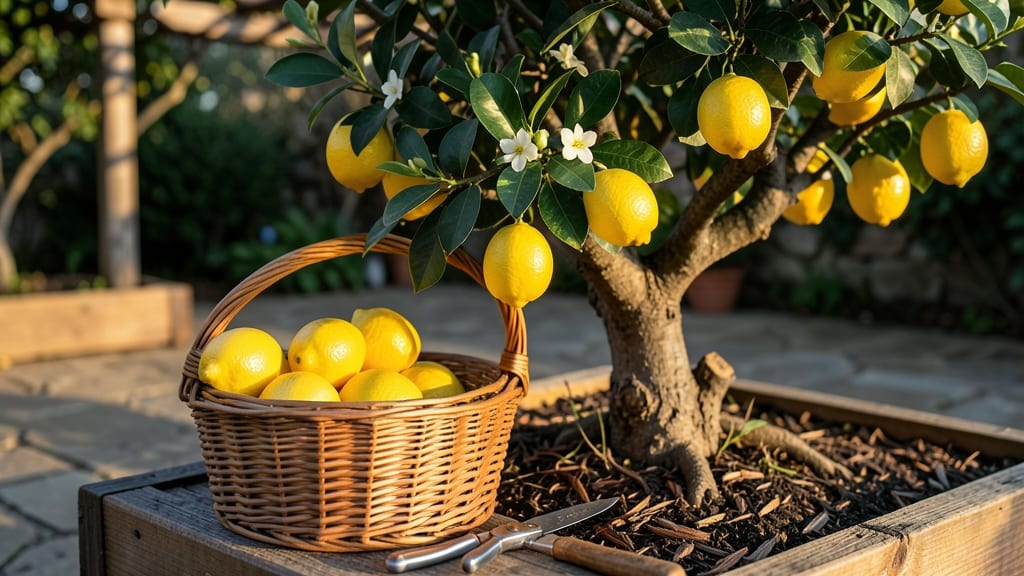
Harvesting your lemon tree at the right time means the difference between a burst of bright, juicy lemons 🍋 and a bitter, overripe mess.
Picture this: you’ve nurtured your tree for months, and now the fruit is turning bright yellow and dropping easily. That’s the moment you’ve been waiting for—but timing is everything, and getting it wrong can mean wasted effort.
In warmer climates like Zones 9-11, lemons typically ripen in fall and winter, while in cooler areas like Zone 6, late summer to early fall is your window.
The key is watching for those telltale signs: firm but yielding skin, a uniform yellow hue, and a sweet aroma that signals peak flavor.
Below, I’ll walk you through how to spot the perfect moment, adjust for your climate, and even maximize yield for juicing or eating fresh—so you never miss the sweet spot again.

Signs your lemon tree is ready for harvest (peel color & fruit ripeness)
Harvesting lemons at the right time ensures maximum flavor and prevents bitterness. The most reliable indicators are peel color, fruit firmness, and the drop test. These visual cues help you avoid picking fruit too early or too late, both of which can ruin your harvest.
Start by observing the peel color. Unripe lemons are bright green, while ripe ones turn a vibrant bright yellow. Some varieties like Meyer lemons may have a slight orange tint, but the key is consistent color without green patches.
This shift typically happens in late summer to fall, depending on your climate zone.
| Harvest Stage | Peel Color | Firmness Test | Drop Test | Stem Condition |
|---|---|---|---|---|
| Not Ready | Mostly green | Hard (no give) | Stays attached firmly | Green and fresh |
| Partially Ready | Green with yellow patches | Slightly firm (minor give) | Resists gentle pull | Green-to-yellow transition |
| Ready to Harvest | Bright yellow (no green) | Firm but yields slightly | Drops easily with gentle twist | Yellow and slightly dry |
| Overripe | Dull yellow or brown | Soft and mushy | Drops with no resistance | Dry and shriveled |
A critical test is the firmness check. Gently press the lemon with your thumb—ripe fruit should yield slightly but still feel firm. If it feels mushy, it’s overripe. Underripe lemons will feel hard and resist pressure. This test works best when combined with the drop test for accuracy.
The drop test is my favorite trick for determining ripeness. Gently grasp a lemon near the stem and give it a light twist. If it detaches easily with a slight pull, it’s ready.
If it resists, wait a few days. Overripe lemons will drop without any effort, often falling to the ground naturally. This method helps avoid bitter lemons that haven’t fully ripened.
Pay attention to the stem end of the lemon. When ripe, it turns yellow and slightly dry. This is a subtle but reliable sign that the fruit is ready.
Unlike the peel, which can vary by variety, the stem end’s color change is consistent across most lemon tree types, including Eureka and Lisbon varieties.
Size consistency matters too. Ripe lemons reach their full size (typically 2-3 inches in diameter) before turning yellow. Smaller fruit may not be fully developed, even if the peel looks yellow. Compare lemons on the same tree—if most are the same size and color, they’re likely ready for harvest.
Climate plays a role in harvest timing. In warmer zones (9-11), lemons ripen from fall to winter. In cooler zones (6-8), harvest occurs late summer to fall, especially if the tree is in a container.
If you’re in a temperate climate, watch for the first frost—lemons should be picked 2-3 weeks before to avoid damage.
Once you’ve confirmed ripeness, harvest in the morning when temperatures are cool. This preserves the fruit’s flavor and freshness. Use sharp pruning shears or clean scissors to avoid damaging the tree.
Store lemons at room temperature for short-term use or refrigerate to extend their shelf life for up to 2 weeks.
Don’t wait too long—overripe lemons lose flavor and become mealy or bitter. If you miss the window, you can still use them for cooking, but fresh lemons are always the best. With practice, you’ll master the art of picking the perfect lemon every time! 🍋
Best lemon tree harvesting techniques to preserve fruit quality
Once your lemons reach that bright yellow glow and begin to detach easily from the tree, you’re in the harvest window. But how you pick them makes all the difference in preserving their flavor and freshness.
A gentle touch now means juicy, vibrant lemons that last weeks—not bitter, mealy fruit that spoils quickly.
I’ve learned the hard way that rough handling can bruise the skin, inviting mold and reducing shelf life. Instead, focus on gentle techniques that protect the fruit’s integrity. Whether you’re harvesting for fresh eating, juicing, or gifting, these methods will keep your lemons at their peak.
Step-by-Step Lemon Harvesting Guide
-
Step 1: Choose the Right Tool
Use pruning shears or clean scissors to avoid damaging the tree. For small batches, your hands work too—just twist gently.
-
Step 2: Pick at the Right Angle
Hold the lemon firmly and twist slowly until it separates from the stem. If it resists, it’s not ripe yet—wait a few days.
-
Step 3: Handle with Care
Place lemons in a soft basket or cloth-lined container to prevent bruising. Avoid stacking them to keep skins intact.
-
Step 4: Store Properly for Freshness
Keep lemons at room temperature for short-term use (up to 1 week). For longer storage, refrigerate in a plastic bag with air holes.
-
Step 5: Use Overripe Lemons Creatively
If a lemon is too soft or has spots, squeeze it for juice or zest it for baking. Never toss it—waste not!
After harvesting, I always inspect my lemons for any blemishes or soft spots. These are early signs of spoilage, so I separate them immediately. A quick wipe with a damp cloth removes dust and extends freshness, while a paper towel in the storage container absorbs excess moisture.
For long-term storage, I’ve found that wrapping individual lemons in parchment paper before refrigerating keeps them firm for up to 2 weeks. This method works especially well for Meyer lemons, which are thinner-skinned and more prone to drying out.
If your tree produces more lemons than you can use, consider freezing the juice or making lemon curd. The key is acting quickly—once harvested, lemons’ peak flavor declines rapidly. With these techniques, you’ll enjoy homegrown lemons at their best all season long.