
Planting
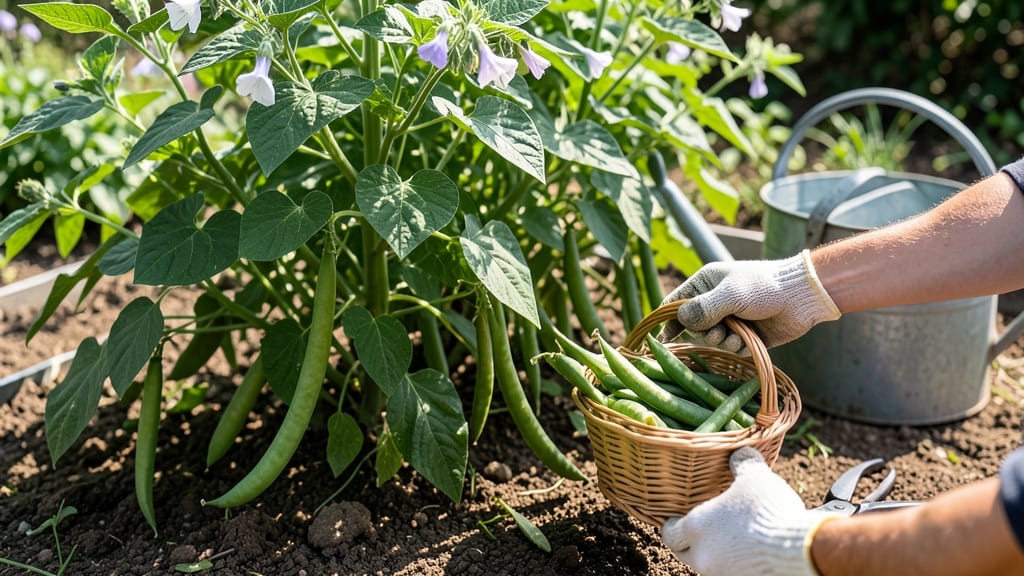
Planting late summer harvest vegetables in July sets you up for a bountiful fall table 🥕 when most gardens are winding down.
July heat doesn’t have to mean an empty garden—these fast-growing vegetables thrive in late summer’s warmth, delivering fresh harvests before fall’s chill sets in.
Think bush beans in 30 days, crisp radishes in 25, or tender Swiss chard ready by September—all while beating the heat with minimal fuss.
Below, I’ll walk you through the top 7 heat-tolerant crops, how to space them for maximum yield, and the simple tricks to stretch your harvest into October.

Top 7 fast-growing July vegetables for late-summer harvests
July might bring scorching temperatures, but it’s also the perfect time to plant fast-growing vegetables that deliver abundant harvests before fall arrives. These heat-tolerant crops mature in just 30-60 days, ensuring fresh produce when your garden needs it most.
Whether you’re a beginner or seasoned gardener, these late-summer powerhouses will keep your kitchen stocked with homegrown goodness.
Why focus on July planting? Many warm-season vegetables thrive in the heat and can be sown directly into the garden as temperatures rise. The key is selecting quick-maturing varieties that avoid the first frost while maximizing your garden’s potential.
Let’s dive into the top 7 fast-growing July vegetables that will transform your garden into a late-summer harvest goldmine.
Starting with bush beans, these nitrogen-fixing powerhouses grow quickly and improve soil health. Plant them in well-draining soil with 6-8 hours of sunlight daily for the best results.
Their compact growth habit makes them ideal for small gardens or containers, and they’re ready to harvest in just 45-55 days.
For an ultra-fast harvest, radishes are unbeatable—some varieties mature in as little as 25 days! These cool-season favorites also tolerate light shade, making them perfect for partial-sun spots.
Direct-sow seeds in moist, loose soil and keep them consistently watered to prevent bitterness. Thin seedlings to 2 inches apart for optimal growth.
Swiss chard is another heat-tolerant gem that thrives in July’s warmth. Its colorful stems add beauty to your garden while providing nutrient-rich leaves for salads or sautéing. Plant seeds ½ inch deep and space them 12 inches apart to allow for their broad, leafy growth. Harvest outer leaves first to encourage continuous production.
Don’t overlook green onions, which are one of the fastest-growing vegetables on this list. They’re perfect for interplanting between slower-growing crops like tomatoes or peppers. Simply scatter seeds ¼ inch deep and keep the soil consistently moist.
You’ll see harvest-ready scallions in just 30 days, and you can keep cutting them back for weeks.
Zucchini might seem intimidating, but its quick growth cycle makes it a July must-have. Plant seeds 1 inch deep in fertile
How to extend your late-summer harvest with succession planting
Succession planting is your secret weapon for a never-ending harvest 🌱. Instead of planting all your crops at once, you stagger them every 2-3 weeks to ensure a steady supply of fresh vegetables.
This technique works especially well for fast-growing crops like radishes, lettuce, and bush beans, which mature in 30-60 days.
By the time your first batch reaches maturity, the next round is already thriving, keeping your garden productive well into fall. The key is choosing the right crops, spacing them properly, and providing consistent care to prevent bolting or stunted growth in the heat.
Step-by-Step Succession Planting Guide
- Step 1: Select heat-tolerant crops like bush beans, radishes, Swiss chard, or green onions. Avoid heat-sensitive plants like lettuce or spinach unless you provide afternoon shade.
- Step 2: Prep your soil by loosening it to a depth of 6 inches and mixing in 2-3 inches of compost. This ensures good drainage and nutrient availability for quick growth.
- Step 3: Plant in stages. Start with your first batch in early July, then sow a second batch 2 weeks later and a third 2 weeks after that. For example, plant radishes on July 1, 15, and 30 for a continuous harvest.
- Step 4: Space plants properly to avoid overcrowding. Follow seed packet guidelines—typically 1-3 inches apart for small crops like radishes and 4-6 inches apart for bush beans.
- Step 5: Water deeply in the morning to encourage strong root growth. Aim for 1 inch of water per week, adjusting for heatwaves. Use mulch to retain moisture and keep roots cool.
- Step 6: Harvest regularly to encourage more production. For leafy greens like Swiss chard, pick outer leaves to allow the center to keep growing. For root crops like carrots, harvest when they reach the desired size to prevent overcrowding.
- Step 7: Monitor for pests and diseases. July’s heat attracts aphids and cucumber beetles. Use row covers or organic sprays like neem oil to protect your plants.
One common mistake is planting too densely, which leads to competition for nutrients and increases the risk of disease. Always follow the spacing recommendations on seed packets, and thin seedlings if necessary.
For example, if you plant carrots 1/4 inch apart, thin them to 2-3 inches apart once they’re 2 inches tall.
Another tip is to use shade cloth for heat-sensitive crops like lettuce. Even a 30% shade cloth can make a big difference in preventing bolting. Pair lettuce with taller plants like tomatoes or cucumbers to create natural shade during the hottest part of the day.
With succession planting, you’ll enjoy a continuous harvest from late summer through fall, even as temperatures drop. Start small with one or two crops, and once you see how it works, expand to fill your entire garden with productive plants 🌿.