
How To
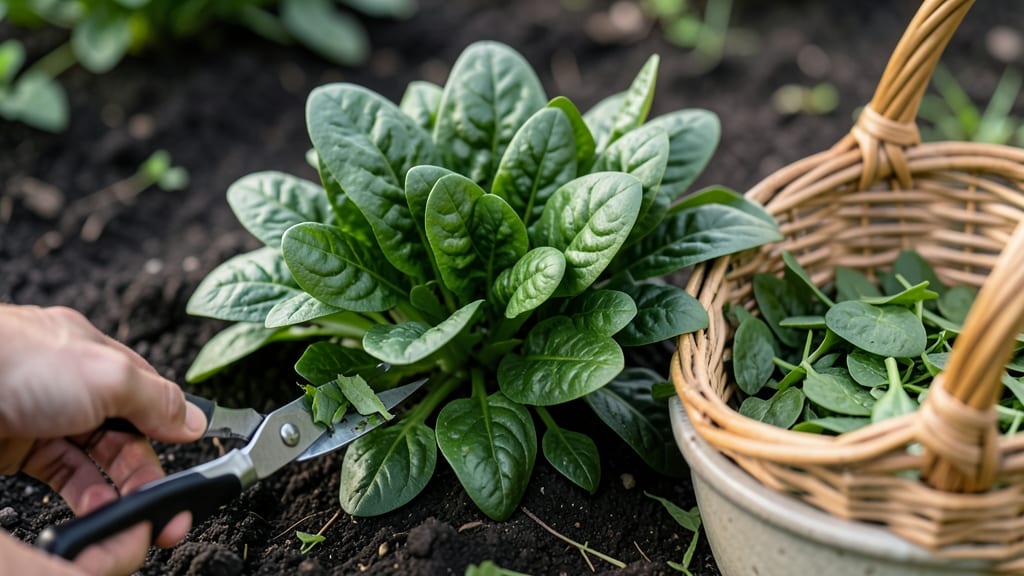
To harvest spinach properly, use the cut-and-come-again method by snipping outer leaves when they reach 4-6 inches—this keeps your 🌱 plants producing fresh growth for weeks.
Want a never-ending supply of fresh spinach without replanting every season? Mastering this technique transforms your garden into a perpetual green machine. The key is timing: harvest when leaves are tender and bright green, leaving the inner leaves to regrow.
Most gardeners make the mistake of pulling entire plants or waiting too long, which stresses the roots and triggers bolting. Instead, focus on selective harvesting—just the outer leaves—and watch your spinach bounce back with even more vigor.
In this guide, I’ll walk you through the exact steps, from tools to timing, plus pro tips to extend your harvest season and keep your spinach thriving all year in Zone 6a.
When and how to harvest spinach for maximum growth
Harvesting spinach at the right time ensures tender, flavorful leaves while keeping your plants productive. The cut-and-come-again method is my go-to for maximizing yield—it lets you harvest outer leaves while the inner plant keeps growing.
This approach works best when you start harvesting 4-6 weeks after planting, when leaves reach 4-6 inches long and are bright green. Timing is everything: harvest too early, and you’ll stunt growth; wait too long, and the leaves turn bitter or bolt.
Before you grab those shears, check for three key readiness signs: leaves should be fully developed (not sparse), crisp to the touch, and free of yellowing. Spinach thrives in cool weather (50-75°F), so avoid harvesting during heatwaves—this stresses the plant and reduces flavor.
In warmer climates, focus on fall harvests to escape summer heat, while cooler regions can enjoy spring and fall yields. The goal? A steady supply without replanting every few weeks.
⚠️ summary-table ⚠️
| Harvest Stage | Leaf Size | Plant Age | Best Time | Climate Tip |
|---|---|---|---|---|
| Early Harvest | 2-3 inches | 3-4 weeks | Cool mornings | Avoid summer heat |
| Ideal Harvest | 4-6 inches | 6-8 weeks | Spring/fall | Use shade cloth in heat |
| Late Harvest | 6+ inches | 8+ weeks | Before bolting | Pull entire plant |
| Overwinter | N/A | Fall planted | Early spring | Mulch heavily |
To harvest spinach properly, always use clean, sharp scissors or pruning shears—never tear leaves by hand, as this damages the plant. Start with the outer leaves first, cutting them about 1 inch above the base to encourage new growth.
Leave the inner rosette intact; this ensures the plant keeps producing. For baby spinach, you can snip individual leaves when they’re just 2-3 inches long, but this method works best for larger varieties like 'Giant Winter' or 'Bloomsdale Long Standing.'
One of my biggest mistakes early on was harvesting too aggressively—removing more than one-third of the plant at once can shock spinach and slow regrowth. Instead, aim to take only the largest, most mature leaves every 1-2 weeks. This balance keeps your spinach bushy and productive.
If you notice the center leaves turning yellow or the plant looking leggy, it’s time to reduce harvest frequency and focus on care instead. Healthy spinach should always look vibrant and crisp.
Extending your spinach harvest depends on your climate. In cool regions (USDA Zones 3-6), plant successive crops every 2-3 weeks from early spring to late summer for fall harvests.
For warmer zones (7-10), opt for shade cloth during summer to prevent bolting and focus on fall/winter harvests when temperatures drop. My trick? Use row covers in late summer to cool the soil and trick spinach into thinking it’s fall—this can buy you 4-6 extra weeks of harvest time.
After harvesting, always rinse leaves in cool water to remove dirt and pests, then store them in a plastic bag in the fridge for up to 5-7 days. For long-term storage, blanch and freeze spinach—this preserves nutrients and flavor.
Pro tip: If your spinach starts to bolt (send up flower stalks), it’s time to harvest the remaining leaves immediately and pull the plant. Bolting means the flavor turns bitter, but you can still use the leaves in cooked dishes before they fully flower.
In containers or small gardens, space plants 4-6 inches apart to maximize harvest area. Overcrowding leads to competition for nutrients, resulting in smaller leaves. If you’re growing spinach in containers, choose compact varieties like 'Baby’s Leaf Hybrid' and harvest leaves as soon as they’re large enough to eat.
Container-grown spinach may produce slightly smaller yields, but the cut-and-come-again method still works wonders—just be mindful of watering, as pots dry out faster than in-ground beds.
Signs your spinach is overharvested include sparse growth, yellowing leaves, and a lack of new foliage. If this happens, stop harvesting for 2-3 weeks, increase watering, and apply a light fertilizer (like 10-10-10) to encourage regrowth.
Spinach is resilient, but it won’t bounce back from neglect. My rule of thumb? If the plant looks
Step-by-step cut-and-come-again method for continuous spinach yield
The cut-and-come-again method is your secret weapon for endless spinach harvests. Instead of pulling entire plants, you carefully trim the outer leaves while leaving the inner growth intact.
This encourages your spinach to regenerate, producing bushier, healthier plants for weeks or even months. The key? Precision—cutting at the right angle and spacing your harvests properly.
Most gardeners miss the mark by either harvesting too early (when leaves are tiny) or too late (when they turn bitter). Aim for 4-6 inch leaves that are bright green and tender.
These are the perfect size for cutting, ensuring your spinach keeps producing without stressing the roots. I’ve found that harvesting every 1-2 weeks in Zone 6a keeps my plants thriving well into fall.
How to Harvest Spinach Using the Cut-and-Come-Again Method
- Step 1: Wait until leaves reach 4-6 inches and are bright green. Avoid harvesting if leaves are yellowing or wilted.
- Step 2: Use clean, sharp scissors or pruners to cut outer leaves at a 45-degree angle, leaving 1-2 inches of stem.
- Step 3: Harvest no more than 1/3 of the plant at a time to avoid shocking the roots. Focus on the largest, oldest leaves first.
- Step 4: Space harvests 7-10 days apart to allow regrowth. In cool climates, you can harvest every 5-7 days for faster regrowth.
- Step 5: After harvesting, water deeply to help the plant recover. Add a light mulch to retain moisture and protect roots.
- Step 6: Monitor for pests or disease. Remove any damaged or diseased leaves immediately to prevent spread.
After harvesting, your spinach will need extra care to bounce back strong. Water the soil deeply and consistently—spinach loves moisture but hates soggy roots. I’ve noticed that adding a balanced fertilizer (like 10-10-10) after harvesting gives my plants a nutrient boost for faster regrowth.
Avoid heavy fertilizers, though, as they can cause bitterness in new leaves.
If your spinach starts to bolt prematurely (sending up flower stalks), it’s usually a sign of stress or heat stress. To prevent this, harvest early and often during hot spells, and provide light shade if temperatures exceed 80°F.
In Zone 6a, I’ve had success using shade cloth during peak summer to keep my spinach productive.
With this method, you’ll enjoy a continuous supply of spinach for 6-8 weeks or longer, depending on your climate. The best part? You won’t need to replant—just keep harvesting and caring for your existing plants. Happy harvesting! 🌱