
How To
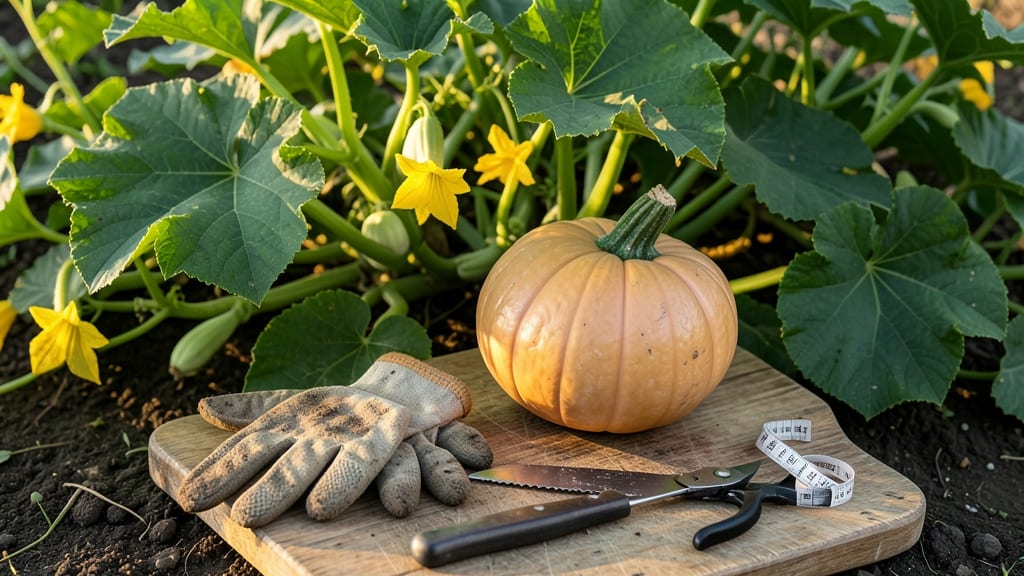
Knowing when to harvest butternut squash 🎃 means catching it at peak sweetness—before the first frost or overripening ruins the flavor.
Picture this: you’ve waited months for those vines to sprawl, and now you’re staring at a squash that looks ready—until you cut it open and find underdeveloped seeds or a mealy texture. That’s the moment you realize timing matters more than you thought.
Here’s the game-changer: a squash is ripe when its rind turns dull orange, feels heavy for its size, and the stem near the fruit dries out like parchment. But there’s more—like checking the seeds inside for full plumpness, a trick even experienced gardeners swear by.
In this guide, I’ll walk you through 5 foolproof signs to harvest at the perfect moment, plus how to adjust for your planting month and climate. No more guesswork, just sweet, storable squash every time.
5 Key visual & physical signs your butternut squash is ready to harvest
Harvesting your butternut squash at the perfect moment transforms bland, watery flesh into sweet, dense perfection. The challenge? Many gardeners rely on days-to-maturity estimates alone—yet environmental factors like temperature swings and soil moisture can shift ripening timelines dramatically.
I’ve learned the hard way that visual and tactile cues matter far more than calendar dates.
Over the years, I’ve tested butternut squash from my garden at every stage—some harvested too early (tough, seedy), others left too long (overripe, mealy). The difference? Understanding these 5 key signs of readiness. Master them, and you’ll never waste another harvest again.
🌱 Numbered Highlights: How to Know When to Harvest Butternut Squash
- 1. Rind Color Shift: Dull, matte orange-brown (not shiny green)
- 2. Stem Drying: Stem near fruit turns brown and papery
- 3. Weight Test: Squash feels heavy for size (not hollow-sounding)
- 4. Seed Development: Seeds are plump and fully formed (not shriveled)
- 5. Thump Test: Tap gently—deep, solid sound (not hollow)
Let’s break down each sign with actionable tips and what to watch for. First up: the rind color. When your butternut squash transitions from shiny green to a dull, matte orange-brown, that’s your first green light.
Pro tip: Use your thumb to press the skin—if it springs back slowly (not instantly), it’s ready. I once harvested a batch where the rinds looked "orange" but were still soft—turns out they needed 2 more weeks.
Next, examine the stem near the fruit. A dry, brown, papery stem means the squash is pulling nutrients from the vine and maturing. If the stem is still green and flexible, wait 7-10 days.
I’ve seen gardeners cut stems too early, only to find the squash still underdeveloped inside. Always check this spot—it’s the plant’s way of signaling readiness.
The weight test is where many gardeners go wrong. A ripe butternut squash should feel surprisingly heavy for its size—almost like lifting a small watermelon. If it feels light or hollow when picked up, it’s not ready.
I test this by holding squash of similar size side by side. The heavier one is always the winner. For extra accuracy, tap two squash together: the ripe one will produce a deep, thudding sound.
Now for the seed check, which I saved for last because it requires cutting one open—but it’s worth it. Slice a squash lengthwise and inspect the seeds. Fully ripe seeds are plump, white, and fully formed. If they’re shriveled or underdeveloped, the squash needs more time.
This step also reveals the flesh color: ripe butternut squash has a vibrant golden-orange hue, not pale yellow. I’ve used this method to salvage near-ripe squash by leaving them on the vine another week.
Finally, don’t ignore the thump test. Hold the squash and give it a firm tap with your knuckles. A ripe squash sounds solid, almost like a drum. An underripe one will sound hollow or echoey.
This trick works best when comparing multiple squash. I’ve used it to identify the 3 perfect specimens in a batch of 15—saving me from harvesting prematurely.
Common mistakes? Harvesting based on days to maturity alone (environmental factors vary), or assuming size equals ripeness (some squash grow larger but stay underdeveloped). Always cross-reference these 5 signs before cutting. And remember: first frost is your deadline—harvest before temps drop below 40°F to preserve sweetness.
Pro move: Harvest in the morning after dew has dried. The skin will be firmer, and you’ll avoid introducing moisture that can rot stored squash. I store mine in a cool, dry place (50–55°F) for up to 3 months, but only if harvested at peak ripeness.
Butternut squash harvest timeline: when to expect ripeness based on planting month
Timing your butternut squash harvest depends on when you planted—spring or fall—and your local climate. In Zone 6a, spring-planted squash typically ripens between late September and early October, while fall-planted varieties may mature by mid-October. But these windows shift dramatically with early/late frosts or hotter summers.
For example, gardeners in cooler climates (like Zones 4-5) should aim to harvest by mid-September to avoid frost damage, while those in warmer zones (7-10) can extend harvests until November. The key is tracking days to maturity—most butternut varieties take 80-120 days from seed to harvest.
| Planting Month | Expected Harvest Window | Days to Maturity | Climate Adjustment |
|---|---|---|---|
| Spring (April-May) | Late September - Early October | 100-120 days | Harvest before first frost |
| Fall (July-August) | Mid-October - Early November | 80-100 days | Extend harvest in warm zones |
| Early Spring (March) | Late August - Early September | 90-110 days | Risk of early frost |
| Late Summer (June) | October - November | 70-90 days | Longer growing season |
Climate plays a huge role in your harvest timeline. In hot, dry summers, butternut squash may ripen 2-3 weeks earlier than in cooler, wetter regions.
I’ve seen squash mature in just 70 days in Arizona’s heat, while my Zone 5 garden often needs an extra 2-3 weeks to reach full ripeness.
Storage potential also depends on harvest timing. Squash picked at peak ripeness (hard rind, dull orange color) stores for 2-3 months in a cool, dry place (50-55°F).
But if you harvest too early, the squash may only last 1-2 weeks before spoiling. Overripe squash, on the other hand, rots quickly—so timing is everything.
Pro tip: If frost threatens before your squash is ready, use row covers to extend the season by 2-4 weeks. I’ve kept my butternut squash producing well into October this way. Just remove the cover during the day to prevent overheating.
For maximum sweetness, aim to harvest when the rind is hard and the stem dries out. This usually aligns with the harvest windows in the table above—but always double-check with a seed test for foolproof ripeness.