
How To
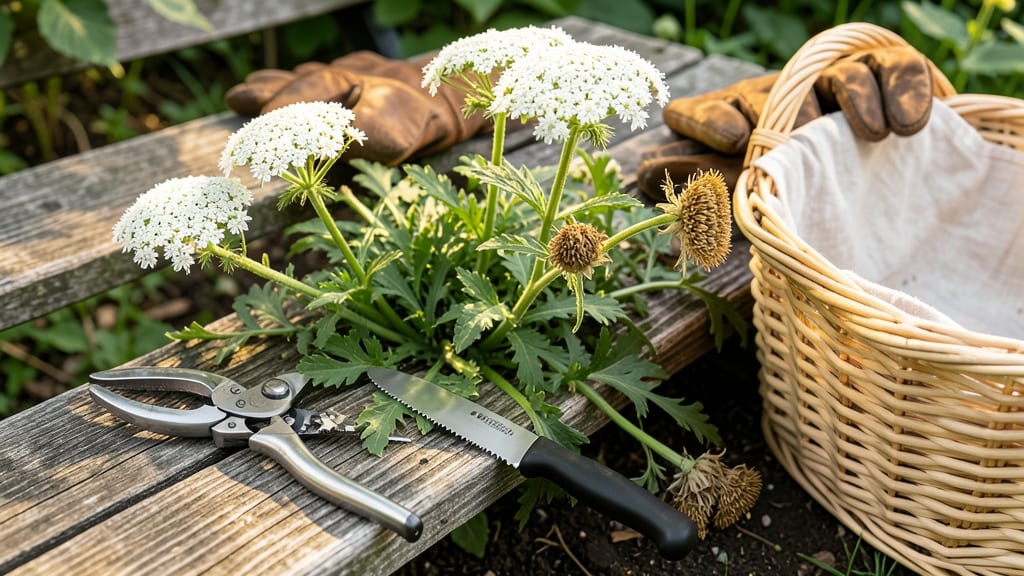
To harvest yarrow 🌼 at its peak medicinal power, you need to time it right—cutting flowers when fully open but before they brown ensures the highest concentration of healing compounds.
Picture this: you’ve nurtured your yarrow all season, and now it’s standing tall with vibrant blooms. But harvest too early, and you miss the potency; too late, and the plant’s energy fades. The difference between a powerful remedy and a weak one often comes down to those few critical days.
This guide breaks down the best times to harvest—whether for leaves, flowers, or seeds—and how to do it without harming your plant. We’ll cover tools, drying techniques, and storage tips to preserve yarrow’s anti-inflammatory and wound-healing properties for months.
From moon phases to seasonal cues, you’ll learn the sustainable way to harvest so your yarrow keeps thriving year after year. Let’s get started.
When to harvest yarrow for maximum medicinal benefits
Yarrow (Achillea millefolium) reaches its peak medicinal potency when harvested at the right moment. The timing determines whether you capture its tannins, flavonoids, and anti-inflammatory compounds or end up with weak, ineffective plant material.
For flowers, the window is narrow—just a few days—but for leaves, you have more flexibility. Understanding these differences is key to maximizing your harvest's therapeutic value.
Most gardeners focus on harvesting yarrow flowers because they contain the highest concentration of volatile oils and flavonoids. However, the leaves are also valuable, especially when young and tender. The challenge lies in balancing harvest timing with the plant's natural growth cycle.
Harvest too early, and you miss potency; harvest too late, and you risk losing quality. Let’s break down the optimal windows for both plant parts.
🌼 Flower Harvesting: The best time to harvest yarrow flowers is when 50-75% of the flower clusters are fully open but before the petals start browning. This typically occurs in late June to early August, depending on your climate zone. If you wait too long, the flavonoid content drops, and the flowers become less effective for medicinal use.
🌿 Leaf Harvesting: Yarrow leaves are most potent when harvested in early spring or late fall, just before flowering begins. Young leaves in spring contain higher levels of tannins and vitamins, while mature leaves in fall retain their medicinal properties without the bitterness that develops later in the season.
| Harvest Type | Best Time | Key Features | Potency Level |
|---|---|---|---|
| Flowers | Late June - Early August | 50-75% open, vibrant petals, firm stems | ⭐⭐⭐⭐⭐ (Highest) |
| Leaves (Spring) | Early April - May | Young, tender, aromatic, deep green | ⭐⭐⭐⭐ (Very High) |
| Leaves (Fall) | September - October | Mature, slightly bitter, dark green | ⭐⭐⭐ (Moderate) |
| Seeds | Late August - September | Brown, dry seed heads, fully mature | ⭐⭐ (Low) |
Beyond seasonal timing, moon phases also play a role in harvesting yarrow for medicinal use. Many herbalists swear by harvesting during the waning moon (the seven days before a new moon) to enhance the plant's drying properties and preserve its essential oils.
This practice is rooted in lunar gardening principles, where the moon's gravitational pull is believed to influence plant moisture content and potency.
If you’re harvesting for tea or tinctures, aim for a waning crescent moon to maximize the plant's anti-inflammatory compounds. For dried bouquets or ornamental use, a full moon can help preserve the flowers' color and structure.
While scientific evidence is limited, many gardeners report noticeable differences in the quality of their harvests when aligning with lunar cycles.
Another critical factor is the time of day you harvest. Always collect yarrow in the morning after the dew has dried but before the midday heat sets in. This ensures the plant's essential oils are at their peak concentration.
Avoid harvesting after rain, as moisture can dilute the potency and promote mold during drying. If you must harvest after rain, wait until the leaves and flowers are completely dry to the touch.
For long-term storage, timing your harvest correctly ensures that your yarrow retains its medicinal properties for up to 1-2 years. Flowers should be dried quickly in a well-ventilated, dark space to prevent mold, while leaves can be dried more slowly but still in a cool, dry environment.
Proper drying is just as important as harvest timing—both work together to preserve yarrow’s healing power.
Don’t forget to leave at least one-third of the plant unharvested to ensure regrowth for future seasons. Yarrow is a perennial, meaning it will return year after year if cared for properly.
Overharvesting can weaken the plant and reduce its ability to produce potent medicinal compounds in subsequent years. Balance is key to sustainable harvesting.
By paying attention to these timing cues, you’ll unlock yarrow’s full potential as a medicinal herb. Whether you’re harvesting for tea, tinctures, or salves, the right moment makes all the difference.
Start experimenting with these techniques, and you’ll soon see the difference in your yarrow’s potency and effectiveness.
Step-by-step guide to harvesting yarrow without damaging the plant
Harvesting yarrow 🌼 correctly ensures you capture its peak medicinal properties while keeping your plant healthy for future seasons. The key lies in using the right tools, cutting techniques, and harvesting timing to avoid stressing the plant.
Whether you're harvesting for teas, tinctures, or ornamental purposes, follow these steps to maintain yarrow's vitality and potency.
Before you begin, gather your supplies: a sharp pair of pruning shears, a clean basket or breathable bag, and a drying rack or screen. Avoid harvesting on wet days to prevent mold, and always work during the cool morning hours when essential oils are most concentrated.
This ensures your yarrow retains its therapeutic benefits while minimizing damage to the plant.
How to Harvest Yarrow Sustainably
-
Step 1: Choose the Right Plant Parts
- For flowers: Harvest when fully open but before petals brown (mid-summer to early fall).
- For leaves: Pick young, aromatic leaves in spring or early summer.
- For seeds: Collect seed heads in late summer when they turn tan.
-
Step 2: Use Proper Cutting Techniques
- Cut stems 2-3 inches above the base to encourage bushier regrowth.
- Avoid cutting more than 1/3 of the plant at once to prevent stress.
- Use clean, sharp shears to avoid crushing stems and losing essential oils.
-
Step 3: Harvest Sustainably
- Leave at least 1/3 of the plant unharvested to fuel regrowth.
- Rotate harvesting areas if growing multiple plants to avoid overharvesting.
- Harvest in mornings after dew dries for maximum potency.
-
Step 4: Dry Yarrow Correctly
- Hang bundles upside down in a dark, well-ventilated space (60-70°F).
- Dry flowers for 1-2 weeks until crisp and brittle.
- Store in airtight containers away from light to preserve potency.
-
Step 5: Store for Long-Term Use
- Keep dried yarrow in glass jars with tight-sealing lids.
- Label with the harvest date for freshness tracking.
- Use within 1 year for optimal medicinal benefits.
After harvesting, monitor your yarrow plant for signs of stress or disease. If leaves yellow or growth stalls, reduce future harvests and focus on watering and fertilization. Yarrow is resilient, but even hardy plants benefit from gentle care during recovery.
With the right approach, your yarrow will reward you with vibrant blooms and potent harvests for years to come.
Pro tip: If you’re harvesting yarrow for medicinal use, prioritize organic-growing methods to avoid contaminants. Always wash hands before and after handling to prevent cross-contamination. Your efforts will pay off with a high-quality herbal remedy ready for teas, salves, or tinctures.
Remember, sustainable harvesting isn’t just about the quantity of yarrow you collect—it’s about preserving the plant’s health so it continues to thrive. By following these steps, you’ll enjoy a bountiful harvest while keeping your garden flourishing. Happy harvesting! ✂️🌿