
How To
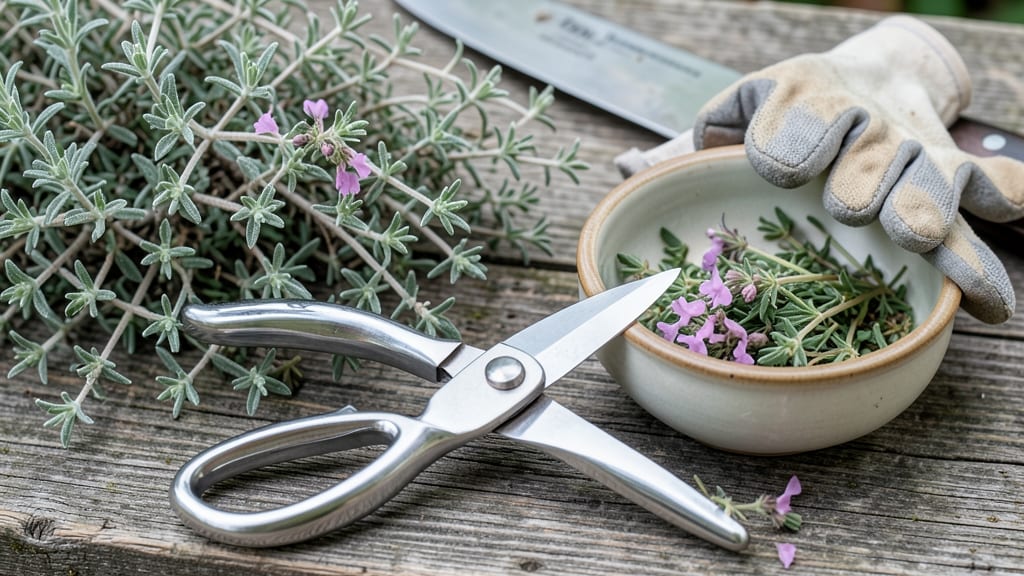
To harvest thyme at its peak flavor and encourage strong regrowth, you need to know the right time, tools, and techniques — or risk bitter leaves and a struggling plant.
Fresh thyme isn’t just a culinary delight—it’s a hardy perennial that rewards gardeners with bold flavor year after year. But timing your harvest wrong can mean bitter leaves or stunted regrowth. Here’s how to pluck thyme at its peak for maximum flavor and plant longevity.
Most gardeners wait until late summer or early fall when the plant is fully mature, but the best time depends on your USDA zone and how you plan to use it. For example, harvesting in the morning after the dew dries preserves the most aromatic oils.
In this guide, you’ll learn the step-by-step process, from selecting the right tools to cutting stems properly without harming the plant. We’ll also cover storage tips to keep your harvest fresh and how to avoid common mistakes that can kill your thyme.
When to harvest thyme for maximum flavor and regrowth
Timing your thyme harvest is everything—cut too early, and you’ll get weak, bitter flavors. Wait too long, and your plant may struggle to recover. The best time to harvest fresh thyme depends on three key factors: plant maturity, seasonal timing, and weather conditions.
For the most intense aroma and robust regrowth, aim for late summer through early fall, when thyme plants are fully established but before frost sets in.
Most gardeners start harvesting thyme plants about 6-8 months after planting, once they reach 6-12 inches tall. This ensures the stems have developed enough to support cutting without damaging the plant.
Look for woody bases on the stems—a clear sign the plant is mature enough for harvesting. If you’re growing thyme in containers, the same rules apply, though container-grown plants may mature slightly faster.
Here’s a quick reference to help you decide when to harvest thyme based on the season and plant signals:
| Season | Ideal Harvest Time | Plant Signals | Flavor Intensity |
|---|---|---|---|
| Spring | Late May - Early June | New growth appears, stems are half-hardened | Moderate (young leaves) |
| Summer | July - August | Stems are woody at base, leaves are highly aromatic | Peak (boldest flavor) |
| Fall | September - Early October | Plant is bushy and established, before first frost | Strong (harvest before cold sets in) |
| Winter | Not recommended | Plant is dormant or frost-damaged | Weak (avoid harvesting) |
For the most flavorful harvest, focus on late summer (July-August), when thyme plants are at their peak. This is when the essential oils in the leaves are most concentrated, delivering that signature earthy aroma we all love.
To test readiness, simply crush a few leaves between your fingers—if they release a strong, pleasant scent, it’s time to harvest. If the aroma is faint or nonexistent, wait a few more weeks.
Weather plays a surprising role in harvest timing. Always harvest thyme on a dry, sunny morning after any dew has evaporated. This ensures the leaves are at their freshest and most fragrant. Avoid harvesting after rain or in high humidity, as moisture can dilute the flavor and encourage fungal growth.
If you must harvest in damp conditions, allow the stems to dry completely before storing or using them.
One common misconception is that you should harvest thyme only once per season. In reality, regular harvesting encourages bushier growth and prevents woody stems from taking over. After your first harvest, wait about 4-6 weeks before cutting again.
This gives the plant time to recover and produces more tender, flavorful new growth. Just avoid removing more than one-third of the plant in a single session to prevent stress.
If you’re growing thyme in USDA Zone 6a or warmer, you can extend your harvest season into early fall. However, stop harvesting once temperatures drop below 40°F (4°C), as cold stress can turn the leaves bitter.
In colder climates, harvest thyme before the first frost and bring potted plants indoors to overwinter. With proper care, your thyme plant will bounce back in spring, ready for another round of harvesting.
Pro tip: If you’re harvesting thyme for drying purposes, choose stems with fully developed but not yet flowering buds. The flowers add beauty to dried bundles but can make the leaves slightly bitter.
For fresh use, you can harvest stems with flowers, but remove them before using the leaves in cooking. Always leave at least 2-3 inches of growth on the plant to ensure regrowth.
Remember, thyme is a perennial herb, meaning it will come back year after year if cared for properly. By harvesting at the right time and following these guidelines, you’ll enjoy a steady supply of fragrant thyme for seasons to come—no bitter surprises included. 🌿
Step-by-step thyme harvesting techniques for healthy plants
Harvesting thyme correctly ensures your plant stays healthy and productive while delivering the boldest flavor. The key is using the right tools and techniques to encourage regrowth without stressing the plant. Start by gathering sharp pruning shears or clean scissors—dull tools can crush stems and invite disease.
Thyme thrives when you harvest 30-50% of the plant at once, leaving enough foliage to support photosynthesis. Never take more than one-third of the plant in a single session, or you risk stunting its growth. Focus on the outer stems first, as these are the oldest and most flavorful.
How to Harvest Thyme Properly
-
Step 1: Choose the Right Time
Harvest in the morning after dew dries (between 8-10 AM) for peak aromatic oils. Avoid harvesting after rain or in hot afternoon sun, which can wilt leaves. -
Step 2: Select Mature Stems
Look for woody stems with brown bases—these are 3-4 inches long and ready for harvest. Avoid cutting soft green growth, as it lacks full flavor. -
Step 3: Cut at the Right Angle
Use clean pruning shears to cut just above a leaf node (where leaves meet the stem). This encourages new growth from below and prevents bare spots. -
Step 4: Leave Enough Foliage
Never remove more than one-third of the plant in a single harvest. Aim to leave 6-8 inches of healthy growth to maintain the plant’s vigor. -
Step 5: Store Harvested Thyme Properly
Bundle stems and hang upside down in a dry, dark place for 1-2 weeks to cure. Alternatively, store in the fridge for up to 2 weeks or freeze in ice cube trays with water for easy use.
After harvesting, give your thyme plant a light drink of water to recover, especially if the weather is hot or dry. Avoid fertilizing immediately post-harvest, as the plant needs time to replenish energy before new growth.
If you notice yellowing leaves after pruning, reduce water slightly and ensure the plant gets full sun exposure.
For container-grown thyme, harvest even more carefully—small pots have limited resources. After each harvest, rotate the pot to ensure even sun exposure and prevent leggy growth.
In USDA Zones 5-9, you can harvest thyme 3-4 times per year, but in colder zones, limit harvesting to late spring and summer.
Pro tip: If your thyme looks woody or overgrown, it’s time for a renewal prune. Cut back 1/3 of the plant in early spring to encourage fresh, flavorful regrowth. This also prevents the plant from becoming too dense and prone to pests.