
Picking
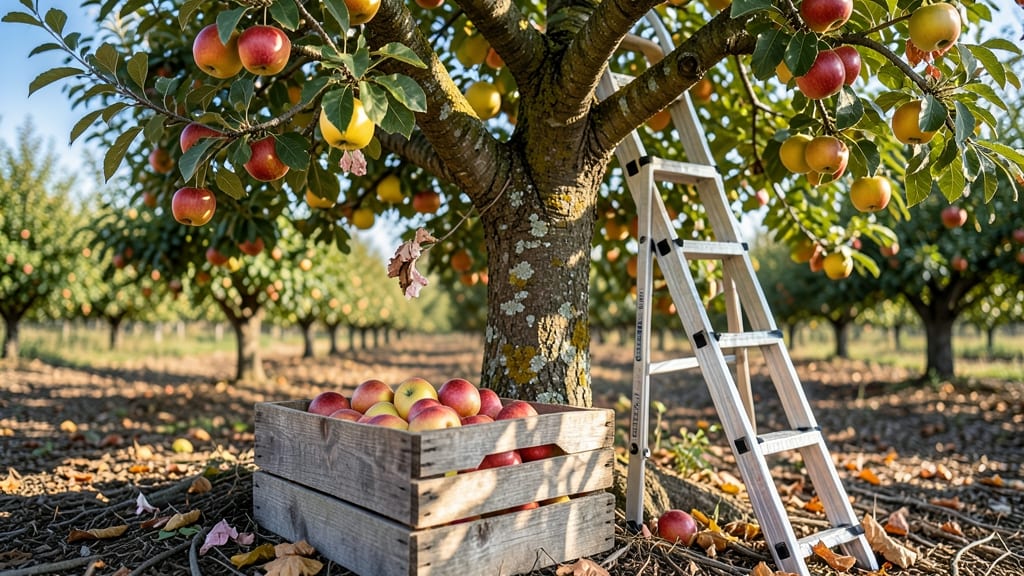
Harvesting apples at the right time during apple harvest season makes all the difference between sweet, crisp fruit and mealy, flavorless disappointment.
Timing is everything when it comes to apple harvest season—pick too early, and your apples lack sweetness; wait too long, and they spoil before you enjoy them. Mastering the art of harvest ensures juicy, flavorful fruit that stores beautifully for months.
Regional differences play a huge role: in Zone 6a, where many home growers live, apples typically ripen between September and October, but exact timing depends on the variety and weather.
A 5-minute taste test can tell you whether your 🍎 are ready to pick or still need a few weeks on the tree.
In this guide, I’ll walk you through how to spot the perfect apple, avoid common harvest mistakes, and store your crop for months—so you’re not left with a bin of spoiled fruit by winter.
How to determine the best time for apple harvest season
Timing your apple harvest perfectly ensures the best flavor and longest storage life. I’ve learned that color changes, stem separation, and even the apple’s aroma all signal when it’s time to pick.
Each variety has its own cues, and regional climates shift the harvest window by weeks—sometimes even months. For example, Honeycrisp apples in Minnesota ripen weeks earlier than those in California’s milder climate.
Start by checking your apple variety’s maturity timeline. Some, like Granny Smith, stay firm and green until late fall, while others like Gala blush early and soften quickly. I always cross-reference the USDA hardiness zone with my local frost dates to avoid picking too late.
A late frost can ruin your harvest if apples aren’t off the tree in time.
Here’s a quick guide to the key indicators I use every harvest season:
| Indicator | Description | Action |
|---|---|---|
| Skin Color | Fully developed hue (red, yellow, or green based on variety) | Compare to variety’s mature color |
| Stem Separation | Gently twist—stem should detach cleanly | Twist and pull; no resistance = ready |
| Firmness Test | Slight give when pressed with thumb | Press gently; should yield slightly |
| Aroma | Sweet or tart scent near stem | Sniff near stem; strong aroma = ripe |
| Regional Timing | U.S. zones 5-7: Sept-Oct; Zones 8-10: Oct-Nov | Check local orchard harvest dates |
The stem separation test is my favorite trick—if the stem pops off with a slight twist, that apple’s ready. I’ve seen beginners overlook this and pick apples that were still too firm, leading to bland flavor. Taste testing is also key: take a bite from a few candidates.
If the flesh is crisp and flavorful, it’s harvest time.
Climate plays a huge role in timing. In cooler northern states, apples like McIntosh ripen in early September, while in California’s Mediterranean climate, varieties like Fuji can hang until November.
I once picked Granny Smiths in late October in upstate New York, only to find they’d been ready for weeks—always check local orchards for their harvest schedules.
For storage apples, aim to harvest slightly firmer than eating apples. Varieties like Honeycrisp and Fuji store best when picked at peak firmness but with full color.
I store mine in a cool (30-40°F), humid (90%) environment, like a root cellar or unheated basement, to extend freshness for months.
One mistake I’ve made? Waiting for apples to fall naturally. While some varieties (like Pink Lady) do drop when ripe, most need gentle picking. Always use pruning shears or a harvest bag to avoid bruising the fruit. A bruised apple spoils faster, cutting storage life dramatically.
If you’re unsure, do a two-step test: first, check the stem; second, do the firmness test. For European varieties, like Braeburn, harvest timing can vary by 1-2 weeks due to cooler summers. I’ve found keeping a harvest journal helps track patterns year over year.
Finally, remember that late-season frosts can ruin your harvest. Monitor your local frost dates and have a plan to pick early if needed. With these tips, you’ll never miss the perfect moment to harvest apples that taste like summer all winter long. 🍏🌳
Top 5 apple varieties and their ideal harvest windows
Not all apples ripen at the same time, and knowing the ideal harvest window for each variety ensures you enjoy peak flavor and crisp texture. For example, Granny Smith apples need a chilly period to sweeten, while Honeycrisp reaches perfection with a perfect balance of sugar and acidity.
Regional climate also shifts timing—Zone 6a growers typically harvest 1-2 weeks earlier than those in milder coastal areas.
Each variety has unique flavor profiles and storage needs, so I’ve broken down the top 5 most popular types, including when to pick them and how to store them for months.
Whether you’re growing Fuji for its honeyed sweetness or McIntosh for its tart crunch, timing is everything for long-lasting quality.
For long-term storage, prioritize varieties like Fuji and Granny Smith, which hold their quality for months in a cool, dark space (around 32-40°F). Wrap each apple in newspaper to prevent bruising, and avoid storing them with ethylene-producing fruits like bananas, which speed up spoilage.
If you’re unsure whether an apple is ready, perform a simple taste test: take one off the tree and let it sit at room temperature for 24 hours. If it’s sweet, crisp, and fragrant, the rest of the batch is likely ready.
For Honeycrisp and Gala, which soften quickly, harvest slightly earlier than their peak color to avoid mealiness.
Regional variations matter—cooler climates like Zone 6a may need to wait until after the first frost for full flavor development, while warmer zones can harvest earlier. Always check for stem separation and color consistency before picking to ensure the best results.
Pro tip: Label your harvest bins by variety and harvest date to track storage progress. This helps you prioritize eating short-lived varieties like McIntosh first while saving Fuji for winter baking projects.