
How To
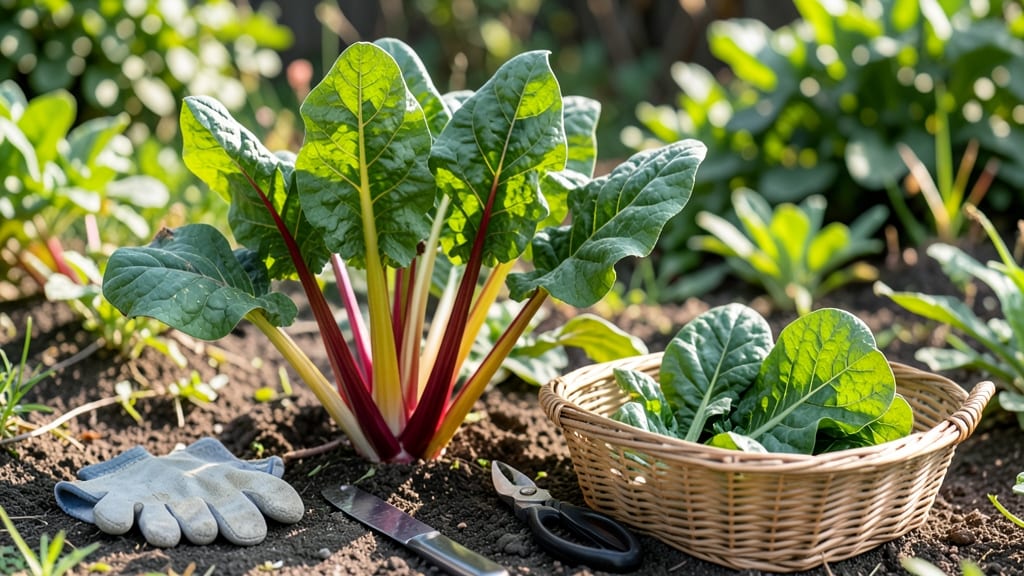
To harvest Swiss chard at its peak, look for leaves that snap cleanly when gently pulled—this simple test tells you when the flavor and texture are just right 🥬.
Picture this: you’ve nurtured your Swiss chard for weeks, and now it’s time to pick. But how do you know when it’s really ready? The stem snap test is your secret tool, but there’s more to it than just the right moment—like avoiding overharvesting and storing your bounty properly.
Harvesting at the right time ensures tender, flavorful leaves, while proper techniques keep your plants producing all season. Whether you’re a first-timer or a seasoned gardener, these tips will help you maximize your yield without sacrificing quality.
From morning harvests to post-cutting care, I’ll walk you through everything you need to know—so you can enjoy fresh Swiss chard straight from your garden for weeks to come.
When and how to Use the stem snap test for perfect Swiss chard harvesting
Harvesting Swiss chard at the right moment transforms it from a simple green to a culinary star—packed with peak flavor and nutrient density. The stem snap test is my go-to method for determining when leaves are ready, but timing matters just as much as technique.
Morning harvests yield the crispest leaves, while evening picks risk wilting. Let’s dive into the science behind this test and how to apply it for both baby leaves and mature harvests.
First, understand what the stem snap test actually measures: the crispness of the petiole (the leaf stalk). When you gently bend a leaf’s stem, it should snap cleanly like a fresh celery stalk. If it bends without snapping or feels mushy, the leaf isn’t ready.
This test works because Swiss chard stores water efficiently in its stalks—when they’re firm, the leaves are at their peak tenderness and flavor intensity.
Visual cues complement the snap test. Look for leaves that are 6-8 inches long with deep, vibrant colors—whether that’s bright green, ruby red, or golden yellow. The texture should be thick and crisp, not thin or translucent. For baby leaves, harvest when they’re about 3-4 inches tall—they’ll be sweeter and more delicate, perfect for salads or garnishes.
Morning harvests are ideal because Swiss chard absorbs moisture overnight, making leaves crisp and hydrated. Avoid harvesting in the heat of the day—leaves can wilt quickly, and the stem snap test will feel spongy rather than crisp. If you must harvest in the evening, do so at least 2-3 hours before sunset to allow leaves time to recover slightly.
For mature harvests, prioritize the outer leaves first. These are the largest and most fully mature, while leaving the inner leaves to continue growing. Use a sharp pair of scissors or your fingers to pinch the stem just above the leaf base.
Never cut into the crown (the center of the plant), as this can stunt regrowth. The stem snap test is especially useful here—if the stalk snaps with a clean break, the leaf is ready for the table.
Here’s how to master the stem snap test and other key harvesting cues:
- 1 Perform the snap test: Gently bend the petiole near the base. It should snap cleanly with a slight crackling sound.
- 2 Check leaf size: Aim for 6-8 inches for mature leaves or 3-4 inches for baby leaves.
- 3 Inspect color depth: Vibrant greens, reds, or yellows indicate ripeness. Pale or dull colors mean the leaf needs more time.
- 4 Test texture: Leaves should feel thick and crisp. Avoid harvesting if they’re thin or rubbery.
- 5 Harvest in the morning: Leaves are cool and crisp after overnight hydration. Avoid afternoon heat, which causes wilting.
- 6 Use clean tools: Sharp scissors or pruners prevent damage. For baby leaves, pinch by hand to avoid tearing.
Seasonal adjustments are key to Swiss chard harvesting success. In hot climates, the plant may bolt prematurely (send up a flower stalk), so harvest aggressively to redirect energy into leaf growth.
In cooler months, growth slows, but the stem snap test still works—just expect slightly softer stalks due to lower moisture content. If you’re growing Swiss chard as a perennial in mild winters, harvest lightly to avoid stressing the plant.
Harvesting Swiss chard correctly isn’t just about the stem snap test—it’s about balancing regrowth and storage potential. After harvesting, store leaves in a plastic bag with a paper towel to absorb moisture.
They’ll last 5-7 days in the fridge, but for long-term storage, blanch and freeze the leaves to preserve their nutrients and texture. The stem snap test ensures you’re picking at the perfect moment, but proper post-harvest care seals the deal for maximum shelf life.
Pro tip: If you’re growing Swiss chard for continuous harvests, space out your picks. Remove 1-2 outer leaves every 2-3 weeks, and the plant will keep producing for months. This method works especially well for colorful varieties like Bright Lights
Step-by-step harvesting techniques to Extend Swiss chard’s shelf life
Harvesting Swiss chard correctly isn’t just about timing—it’s about preserving tenderness and maximizing regrowth for future harvests. The right technique ensures your leaves stay crisp for 1-2 weeks in the fridge or even longer if properly stored.
Start by choosing the right moment: morning harvests yield the freshest leaves, as evening dew can make them soggy.
Once you’ve confirmed ripeness with the stem snap test, the next step is using the correct tools and methods. Whether you’re harvesting individual leaves or cutting entire stalks, precision matters. A sharp pair of scissors or clean pruners prevents damage, while hand-plucking works for delicate baby leaves.
Let’s break it down step by step to keep your Swiss chard at its best.
How to Harvest Swiss Chard for Maximum Freshness
- 1 Choose the right time: Harvest in the early morning when leaves are cool and crisp. Avoid harvesting after rain to prevent disease spread.
- 2 Select your method: For continuous harvest, pluck outer leaves at the base, leaving the inner growth point intact. For full stalks, cut 1-2 inches above the soil using sharp scissors.
- 3 Avoid overharvesting: Never remove more than 1/3 of the plant at once. This ensures regrowth and prevents bolting in hot climates.
- 4 Handle with care: Gently twist or cut leaves to avoid tearing stems. Place harvested leaves in a shaded, breathable container to prevent wilting.
- 5 Clean and cool immediately: Rinse leaves under cool water to remove dirt, then pat dry with a clean towel. Store in the crisper drawer of your fridge for up to 2 weeks.
- 6 Extend shelf life further: For long-term storage, blanch leaves for 2 minutes in boiling water, then freeze in airtight bags for up to 6 months.
After harvesting, proper post-harvest care is key to extending shelf life. Swiss chard thrives when stored in a humid environment, so wrapping leaves in a damp paper towel before refrigerating can add extra days of freshness.
If you’re planning to blanch and freeze, do it within 24 hours of harvest for the best texture and flavor.
One of my favorite tricks is to harvest every other day during peak season. This keeps the plant producing while giving you a steady supply of tender, flavorful leaves.
Just remember: consistency is key—whether you’re harvesting for salads, sautéing, or freezing, the right technique ensures your Swiss chard stays fresh and delicious.
With these steps, you’ll enjoy homegrown Swiss chard for weeks, even months, without sacrificing quality. Happy harvesting! 🥬✂️