
How To
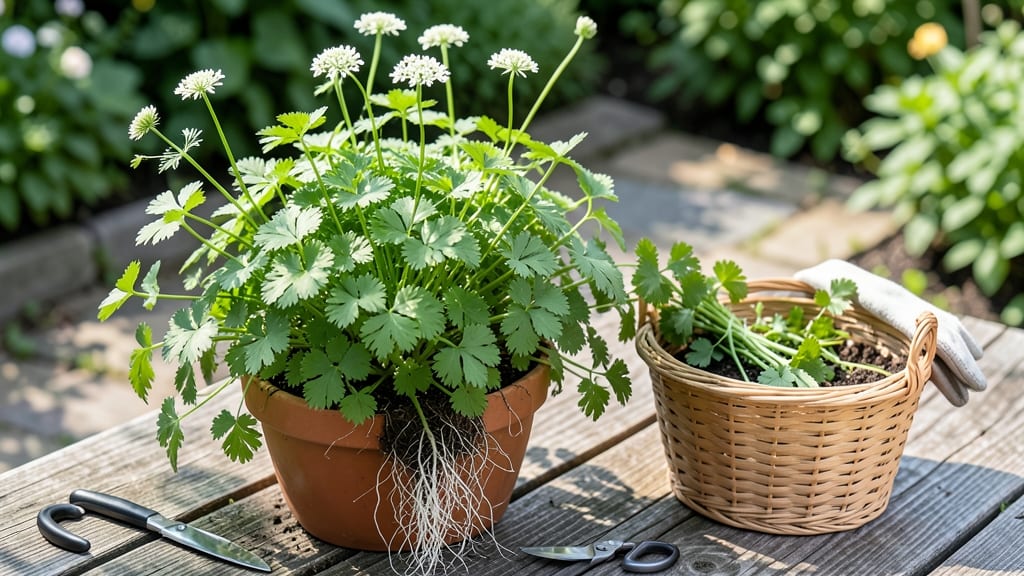
Harvesting coriander at the right time means snapping those tender stems with ease—when leaves are vibrant and flavor is at its peak.
You’ve probably seen your coriander bolt into flowers too soon, turning bitter and woody before you could use it. That’s why timing matters: harvest leaves when they’re bright green and fully developed, but before the plant sends up that telltale flower stalk.
Miss this window, and you’ll sacrifice flavor for a handful of seeds.
This guide breaks down the exact moment to cut, the tools you’ll need, and how to encourage your coriander to keep producing fresh leaves for weeks. Whether you’re snipping for salads or saving seeds for next year, these steps will keep your harvest flavorful and bountiful—no bitter surprises included.
From the cut-and-come-again method to storing your harvest, I’ll show you how to get the most out of your plants without stressing them out. Let’s make sure your coriander stays happy—and keeps snapping back for more.
When to harvest coriander for peak flavor and growth
Timing your coriander harvest correctly ensures the brightest flavor and healthiest regrowth. The key is to pick leaves when they’re young but fully developed—typically 45-60 days after planting. If you wait too long, the plant bolts (stems harden and flower), turning bitter and woody.
I’ve learned the hard way that rushing the harvest or cutting too aggressively can stress the plant, reducing future yields.
For most home gardeners, the ideal harvest window falls between 6-12 inches in height, with 4-6 true leaves fully unfurled. This is when the leaves are tender, aromatic, and packed with flavor.
In warmer climates like USDA Zone 6a, you’ll get two harvest cycles: spring (March-April) and fall (August-September). Cooler regions may only succeed with spring harvests.
Here’s how to test if your coriander is ready: grasp a stem between your thumb and forefinger and gently bend it downward. If it snaps cleanly, it’s prime for harvesting.
If it bends without breaking, wait a few more days. This simple stem snap test saves you from picking prematurely or overharvesting.
- 1. Height Check: Harvest when plants reach 6-12 inches. Shorter plants yield smaller leaves with milder flavor.
- 2. Leaf Size: Aim for 4-6 true leaves per cluster. Larger leaves lose their delicate texture and flavor.
- 3. Stem Snap Test: Bend stems—if they snap cleanly, harvest immediately. Soft stems need more time.
- 4. Color & Texture: Leaves should be bright green and slightly fuzzy. Dull or yellowing leaves indicate stress.
- 5. Avoid Bolting: Stop harvesting if stems harden or flower stalks appear (🌸). Bolted coriander tastes bitter.
Seasonal timing plays a huge role in coriander’s success. In spring harvests (March-April), cooler temperatures slow growth, so I focus on cut-and-come-again harvesting—trimming outer leaves to encourage bushier regrowth. For fall harvests (August-September), warmer weather speeds up maturity, so I harvest more aggressively but monitor for bolting closely.
In my experience, fall-grown coriander often bolts faster due to longer daylight hours.
Climate also dictates your approach. In hot, dry climates, coriander bolts quickly—sometimes within 30 days. To delay bolting, I use shade cloth (30-50% coverage) during peak afternoon sun and water deeply at the soil base (not overhead) to keep roots cool.
In cooler, wet climates, I prioritize well-draining soil to prevent fungal issues like leaf spot, which weakens the plant and reduces flavor.
One common mistake I see is harvesting entire plants at once. This shocks the root system and often leads to bolting. Instead, I use the cut-and-come-again method: snip outer leaves or stems just above a leaf cluster, leaving the inner growth intact.
This encourages the plant to produce more leaves while maintaining its vigor. For a full harvest, I pull the entire plant when it’s mature but before flowering—this works best for seed-saving or drying purposes.
Pay attention to regrowth signs after harvesting. Healthy coriander should sprout new leaves within 7-10 days if given proper care: consistent moisture, partial shade (if hot), and balanced fertilizer (5-10-10 NPK). If regrowth stalls, check for nutrient deficiencies (yellow leaves) or pests (aphids or spider mites).
I’ve found that a light feeding with compost tea can revive struggling plants and extend their harvest window by 2-3 weeks.
Pro tip: Harvest in the morning after dew has dried but before the sun peaks. Leaves are most hydrated and flavorful at this time.
Store harvested coriander in a perforated plastic bag in the fridge for up to 5 days, or wash and dry leaves for freezing or drying to preserve flavor long-term.
Balancing harvest frequency with plant health is an art. I’ve learned that weekly light harvests (cutting 1-2 stems per plant) yield more over time than one heavy harvest.
This approach keeps coriander productive for 6-8 weeks in ideal conditions, giving you a steady supply of fresh, flavorful leaves for your garden.
Step-by-step harvesting techniques for fresh coriander
Harvesting coriander correctly ensures you get the brightest, freshest leaves while keeping your plant healthy. The cut-and-come-again method is my go-to—it lets you harvest leaves repeatedly without stressing the plant.
But timing is everything: wait until the plant has 4-6 true leaves and stems snap cleanly when pinched. This usually happens around 45 days after planting, depending on your climate.
Start by gathering your tools: a sharp pair of scissors or clean pruning shears are best—never use your fingers for large harvests. Avoid dull tools, as they crush stems and invite disease. I also keep a small bowl nearby to collect leaves, preventing them from wilting on the ground.
For seed harvesting later, you’ll need a paper bag to catch the falling seeds once the plant bolts.
How to Harvest Coriander Leaves
- 1 Choose the right time: Harvest in the morning after dew dries but before the sun peaks. This preserves flavor and moisture.
- 2 Select outer leaves: Snip or pinch off the outer leaves first, leaving the inner growth intact. This encourages bushier regrowth.
- 3 Cut just above leaf clusters: Use your scissors to cut stems 1/4 inch above the next set of leaves. Avoid tearing the plant.
- 4 Harvest stems for cooking: If you need the whole stem (like for soups), cut the plant 2 inches above the soil to encourage new growth from the base.
- 5 Collect seeds if bolting: Let some plants bolt to save seeds. Once seed pods turn brown, place a paper bag over the plant and shake gently to collect seeds.
After harvesting, rinse your coriander leaves under cool water to remove dirt, then pat dry with a clean towel. Store them in an airtight container lined with a paper towel to absorb moisture.
For longer storage, wrap leaves in a damp towel and place them in a plastic bag in the fridge—they’ll stay fresh for up to 10 days. If you’re drying leaves, tie small bundles and hang them upside down in a dark, dry place for 1-2 weeks.
Never harvest more than one-third of the plant at once, or you’ll stunt its growth. I’ve learned this the hard way—over-harvesting leads to leggy, weak plants that bolt faster.
Instead, space out your harvests every 2-3 weeks for a steady supply of fresh leaves. This method keeps your coriander productive for months, even in hot climates.
If your coriander starts to bolt too soon, don’t panic. You can still use the stems and seeds—just avoid harvesting leaves after flowering, as they turn bitter. With these techniques, you’ll enjoy fresh, flavorful coriander all season long, whether you’re snipping for salads or saving seeds for next year’s garden.