
Vegetables
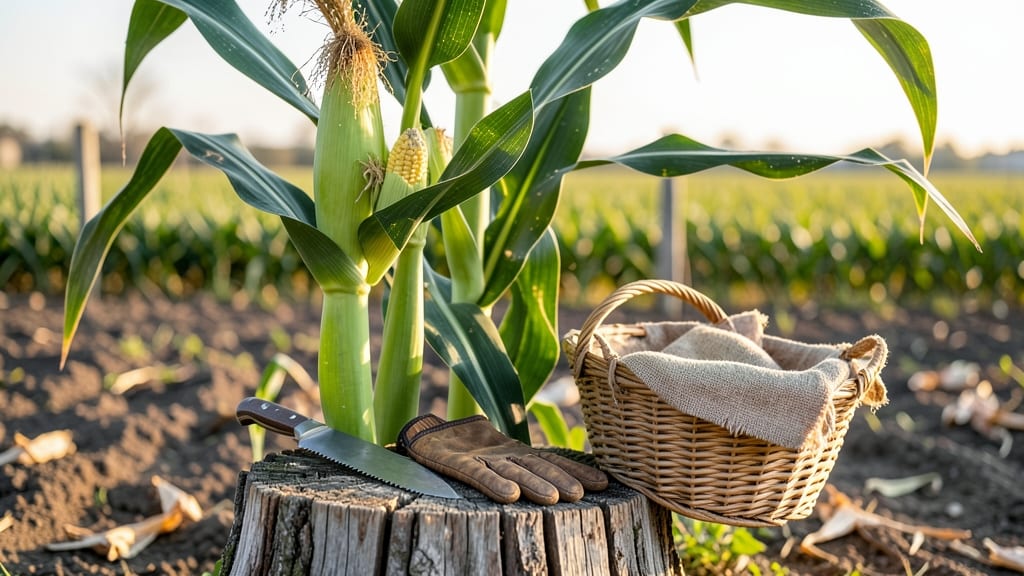
The harvest season for corn arrives when silks turn brown and kernels pop with sweetness 🌽—but miss the window, and you’re left with tough, starchy ears instead of tender perfection.
Picture this: you’ve nurtured your corn all season, watching it grow from tiny sprouts to towering stalks, only to wonder, "Is it ready yet?" The answer lies in a few simple clues—dry silks, plump kernels, and that unmistakable weight in your hand.
Regional differences matter too. In the Midwest, peak harvest stretches from mid-July to early September, while Southern states may enjoy a later window thanks to warmer climates.
Even the variety plays a role: sweet corn like ‘Silver Queen’ ripens faster than field corn, and heirlooms can drag harvests into fall.
Below, I’ll break down the exact signs to watch for, regional timing tips, and how to store your harvest so every ear stays as sweet as the day you picked it.
How to determine when corn reaches peak harvest ripeness
Harvesting corn at the right moment means the difference between juicy, sweet kernels and starchy, tough ears. The key is watching three critical parts of the plant: the silks, the kernels, and the husks.
Each provides clues about ripeness, but they must align perfectly for peak flavor. I’ve tested these methods in my garden for years, and the results speak for themselves—timing is everything.
Start by checking the silks, those thread-like strands at the top of the ear. When they first appear, they’re bright green and moist, signaling pollination. As the corn matures, the silks dry out and turn brown and crispy.
This is your first green light that the kernels are developing. However, don’t rush to harvest just because the silks are brown—kernels need time to plump up after pollination.
Next, focus on the kernels themselves. The most reliable test is the "milk-glass" rule: pierce a kernel with your fingernail. If it releases a milky white liquid, the corn is at its sweetest.
If the liquid is clear or yellowish, the kernels are overripe and starting to convert sugars to starch. This test is foolproof—I’ve used it every season without fail.
Don’t overlook the husks, either. Healthy husks should be tightly wrapped around the ear, though they may start to loosen slightly as the corn matures. If the husks are dry, cracked, or pulling away, the corn is likely overripe.
Additionally, the ear should feel heavy and full—if it feels light or hollow, the kernels aren’t fully developed yet.
Weather plays a surprising role in corn ripeness. Hot, dry conditions can speed up maturation, while cool, wet weather slows it down. In my garden, I’ve noticed that corn planted in early summer often ripens faster than late plantings.
If a late frost is forecast, prioritize harvesting the earliest-maturing varieties first to avoid losing your crop entirely.
Here’s how to combine these indicators for a foolproof harvest:
Pro tip: Harvest corn in the morning when temperatures are cooler. This preserves sweetness and makes the kernels firmer. Twist the ear gently to detach it from the stalk—avoid
Best corn harvest times by region & variety (sweet vs. field corn)
Timing your corn harvest depends on two key factors: your USDA zone and the corn variety you’re growing. Sweet corn like ‘Golden Bantam’ matures in just 60-70 days, while heirloom varieties such as ‘Country Gentleman’ can take 100+ days.
Field corn, used for animal feed or grinding, often stays on the stalk longer—sometimes until first frost—but loses sweetness fast.
Regional differences matter too. In USDA Zones 5-7 (Midwest/Northeast), sweet corn peaks in late July to early August, while Southern growers in Zones 8-10 may harvest into October. Even a 5°F temperature drop can halt sweetness production, so watch your local frost dates closely.
| Corn Type | Days to Maturity | Harvest Window (USDA Zones 5-10) | Key Varieties | Storage Tips |
|---|---|---|---|---|
| Sweet Corn | 60-90 days | Late July–Early October | ‘Silver Queen’, ‘Peaches and Cream’, ‘Early Sunglow’ | Blanch & freeze within 24 hours |
| Field Corn | 90-120 days | Late August–November (post-frost) | ‘Reid Yellow Dent’, ‘Pioneer Brand 39W62’ | Dry kernels for long-term storage |
| Heirloom Corn | 100-130 days | Late August–Late October | ‘Country Gentleman’, ‘Black Aztec’ | Harvest before frost; dry slowly |
For early-maturing hybrids, I recommend planting succession crops every 2 weeks to stretch your harvest. In Zone 5, for example, you might get 3 harvests by spacing plantings in late May, early June, and mid-June.
Late-season varieties like ‘Ambrosia’ hold sweetness longer but need full sun and consistent water to avoid drought stress.
Frost threats? If a light frost is forecast, harvest sweet corn immediately—even if kernels aren’t perfectly ripe. Field corn can wait until after a hard frost, but dry the ears thoroughly before storage to prevent mold. For heirlooms, prioritize harvesting before the first frost to preserve flavor and texture.
Pro tip: Mark your calendar 2 weeks before your expected harvest window to start daily silk and kernel checks. A quick fingernail test—press a kernel; if it oozes creamy milk, it’s ready. If it’s clear or starchy, wait another day or two.
With the right timing, your corn harvest will deliver ears so sweet they’ll have neighbors begging for recipes—no cooking skills required! 🌽