
How To
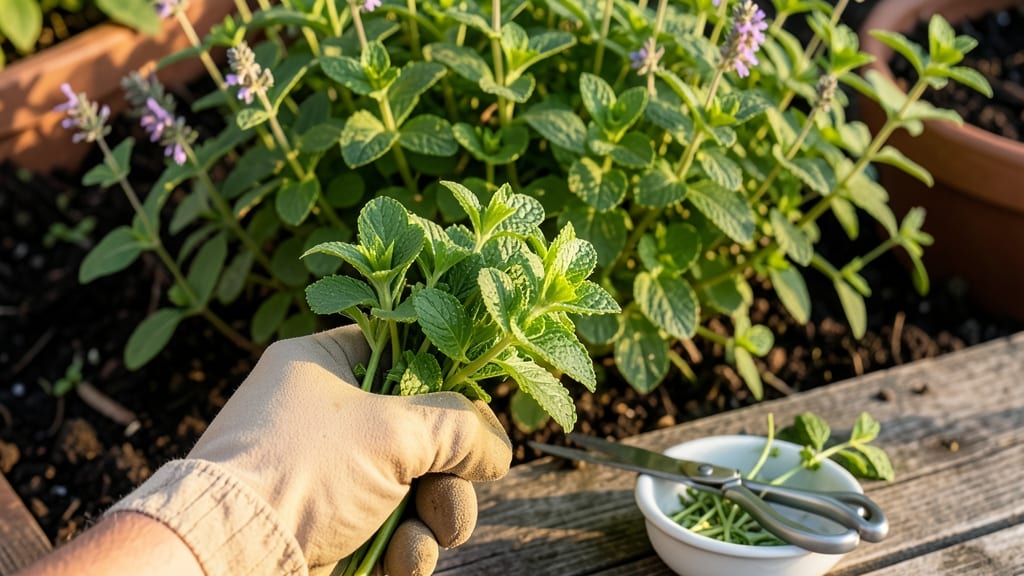
To harvest spearmint at its peak flavor, wait until the leaves reach 3 inches and the plant is at least 6 inches tall—this timing ensures the strongest aroma and encourages bushier growth.
Picture this: you’ve nurtured your spearmint 🌿 all season, and now the moment is here—bright green leaves, a bold minty scent, and stems firm enough to grip. But one wrong cut can stunt future harvests, so knowing exactly how to snip matters just as much as when.
Harvesting spearmint isn’t just about plucking leaves—it’s about balancing yield with plant health. Too aggressive, and you risk leggy stems; too light, and you waste flavor-packed foliage. Below, I’ll walk you through the best techniques, from choosing the right tools to storing your harvest for weeks of freshness.
Whether you’re prepping for summer cocktails or drying bundles for winter teas, mastering these steps turns your garden into a year-round mint factory. Let’s dive into the proven methods that keep your spearmint thriving—and your harvests abundant.
When to harvest spearmint for maximum flavor and growth
Timing your spearmint harvest correctly ensures peak flavor and encourages robust regrowth. The best time to harvest is when leaves reach 3 inches long—this is when their minty aroma and intensity are strongest. Harvesting too early means milder flavor, while waiting too long can reduce future yields.
Seasonal cues also play a role. For spring-planted spearmint, aim to start harvesting in late June when plants are established. In warmer climates, you can begin as early as May, but avoid harvesting during extreme heat, which can stress the plant.
Regular harvesting actually boosts growth. When you remove one-third of the plant at a time, spearmint responds by producing new, bushier growth. This method keeps your plant productive for months rather than just a single harvest.
Over-harvesting is a common mistake that can weaken your spearmint. If you cut more than half the plant at once or harvest too frequently, you risk stunted growth or even plant death. Always leave enough foliage to support photosynthesis.
Morning is the ideal harvest time. Leaves are cool and hydrated after the night, making them flavorful and crisp. Avoid harvesting in the afternoon heat, as leaves can become wilted and lose potency.
Look for these visual cues to confirm harvest readiness:
- Vibrant green leaves (not pale or yellowing)
- Firm stems with slight woodiness at the base
- Strong minty scent when crushed
| Harvest Stage | Leaf Size | Plant Height | Best Time | Frequency |
|---|---|---|---|---|
| Early Harvest | 1-2 inches | 6-12 inches | Late spring | Every 4-6 weeks |
| Peak Harvest | 3+ inches | 12-24 inches | Summer mornings | Every 3-4 weeks |
| Late Season | 2-3 inches | 18-30 inches | Early fall | Every 5-6 weeks |
Harvesting spearmint stems (not just leaves) encourages bushier growth. Use clean, sharp pruning shears to cut stems about 2-3 inches above the ground. This method stimulates new side shoots to form, increasing your future yield.
If your spearmint starts to bolt (produce flower stalks), harvest immediately. Flowering reduces flavor and can signal the end of the plant's productive life. Remove any flowering stems to redirect energy back into leaf growth.
For container-grown spearmint, harvest even more carefully. Pots have limited space, so avoid cutting more than one-third of the plant at a time. Over-harvesting can stress roots and reduce future harvests.
Store freshly harvested spearmint in the fridge for up to 1 week or dry it for long-term use. Proper timing and technique ensure your spearmint stays flavorful and productive all season long. 🌿
Step-by-step guide: how to harvest spearmint without damaging the plant
Harvesting spearmint the right way ensures your plant stays healthy and productive for months. The key is selective pruning—never cutting more than one-third of the plant at once, and always targeting outer stems to encourage bushier growth.
I’ve learned that skipping these steps can lead to leggy, sparse plants that struggle to recover.
Start by gathering your tools: a pair of sharp pruning shears or clean scissors, and a bowl to collect your harvest. Avoid using your fingers to pinch leaves—this can bruise the stems and invite pests.
The best time to harvest is in the morning after dew dries, when essential oils are at their peak concentration for maximum flavor.
How to Harvest Spearmint
- Step 1: Locate the outer stems with 3-inch leaves—these are your harvest targets. Avoid cutting into the center growth point to preserve the plant’s vitality.
- Step 2: Hold the stem at a 45-degree angle and cut just above a leaf node (the point where leaves attach). This encourages new shoots to grow from that spot.
- Step 3: Use sharp pruning shears to make a clean cut—never tear the stem. Dull tools crush the plant and create entry points for disease.
- Step 4: Harvest no more than 1/3 of the plant at once. Spearmint regenerates quickly, but over-harvesting stresses the roots and reduces future yields.
- Step 5: Rinse leaves in cool water to remove dirt, then gently pat dry with a paper towel. Store in an airtight container in the fridge for up to 1 week, or dry for long-term use.
After harvesting, give your spearmint a little TLC to encourage regrowth. Water the base thoroughly to revitalize roots, and consider adding a light fertilizer (like compost tea) to support recovery. I’ve noticed that plants harvested in late summer often need extra care, as they’re preparing for dormancy.
For long-term storage, bundle stems and hang them upside down in a dry, dark place for 1–2 weeks. Once brittle, strip the leaves and store in an airtight jar away from light.
Dried spearmint retains its flavor for up to 6 months, making it perfect for winter teas or homemade remedies.
Pro tip: If your spearmint starts looking woody or sparse, it’s time to renew the plant. Simply dig up the root, divide it into sections, and replant—this rejuvenates growth and often produces even more vigorous regrowth than before. 🌿
Remember, the goal is sustainable harvesting. When done right, your spearmint will reward you with lush, flavorful leaves all season long—no need to replant every year! With these techniques, you’ll enjoy a steady supply of fresh mint for cocktails, teas, or culinary creations. ✂️