
How To
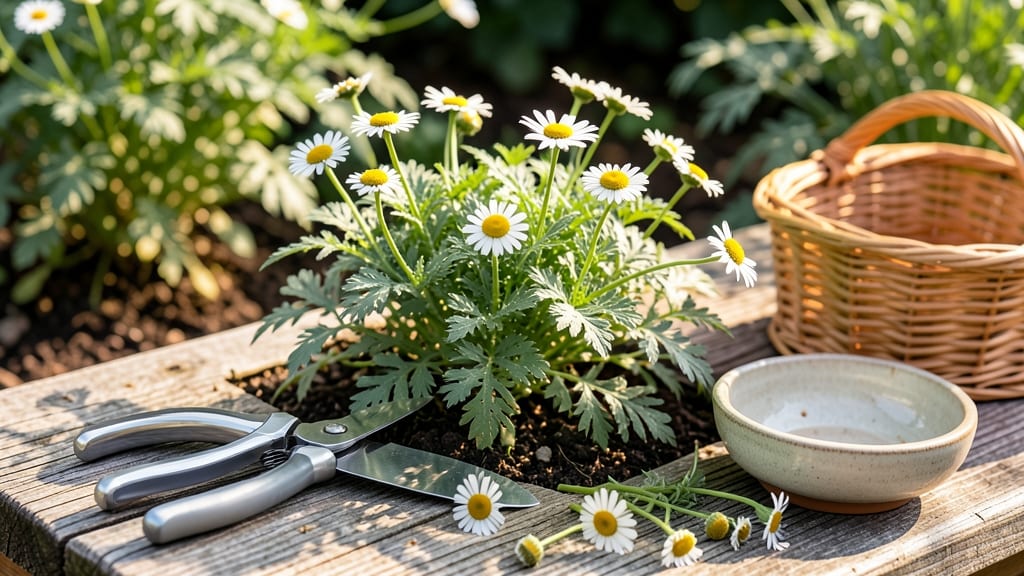
To harvest chamomile at its peak flavor and potency, you’ll want to pick the blooms just as they begin to open—when their delicate white petals unfurl like tiny sunshades 🌼.
Here’s the catch: timing is everything. Harvest too early, and you’ll miss out on the full aromatic punch; wait too long, and bitterness takes over.
I’ve made that mistake more times than I’d like to admit, and let me tell you—there’s a noticeable difference between chamomile steeped from flowers picked at the right moment and those left to wilt.
In this guide, I’ll walk you through the exact moment to harvest, the best methods for hand-picking or cutting, and how to dry your chamomile for tea or medicinal use without losing its soothing properties.
Whether you’re growing chamomile for calming herbal tea, skincare remedies, or even culinary touches, mastering the harvest is the key to unlocking its full potential.
The best time to harvest chamomile flowers for maximum flavor
Timing your chamomile harvest is the secret to unlocking its full flavor potential and medicinal properties. Unlike many herbs, chamomile flowers must be picked at a specific stage—just as they begin to open—to avoid bitterness or loss of aroma.
The perfect window is late morning to early afternoon, when the sun has warmed the blooms but before they fully unfurl. This delicate balance ensures you capture the peak essential oils that make chamomile tea so soothing.
Weather plays a crucial role in harvest timing. Aim for dry, sunny days with temperatures between 60°F and 75°F (15°C-24°C). Dewy mornings or impending rain can dilute the flower’s potency, so always check the forecast.
If you must harvest after rain, wait until the blooms are completely dry to prevent mold during storage. The right conditions transform your chamomile from ordinary to extraordinary.
Here’s how to spot the ideal harvest moment using simple visual cues:
- 🌸 Partially Open Blooms: Petals should be white and slightly curled back, revealing the yellow center but not fully flat.
- ☀️ Dew-Free Flowers: No moisture should remain on the petals or stems—harvesting after dew evaporates preserves flavor.
- 🌿 Vibrant Green Leaves: Healthy, lush foliage indicates the plant is thriving and ready to share its energy with the flowers.
- ⏰ Late Morning Window: Between 10 AM and 2 PM is prime time—flowers are fully charged with sunlight but not yet overheated.
- 🌧️ Clear Forecast: Avoid harvesting if rain is expected within 24 hours—humidity can spoil your harvest.
Harvesting chamomile too early robs you of its full aromatic potential, while waiting too long introduces bitterness and reduced potency.
The yellow disc at the center of the flower is where most of the essential oils reside, and it’s most concentrated when the petals are just beginning to unfurl. Think of it like catching a wave at its peak—timing is everything.
If you miss the window, the flowers will close by early afternoon, and their flavor profile shifts dramatically.
Chamomile’s natural circadian rhythm means its petals close daily around midday, even under optimal conditions. This is why consistent morning checks are essential. Start inspecting your plants at 9 AM and be ready to harvest by 11 AM.
Pro tip: Use a small hand lens to examine the flower centers—you’ll notice the tiny hair-like structures that hold the oils are most prominent at the right harvest moment. These microscopic details make all the difference in your final product.
Seasonal variations also affect harvest timing. In cooler climates (USDA Zones 3-5), chamomile may bloom later, so adjust your schedule accordingly. Conversely, in warmer zones (6-10), flowers can mature faster, requiring more frequent checks.
Always prioritize visual cues over calendar dates—your chamomile will tell you when it’s ready. Pay attention to how the petals unfurl and the brightness of the yellow center; these are nature’s harvest signals.
One common mistake gardeners make is harvesting fully open flowers, which are past their prime. These blooms often taste harsher and less sweet, with a noticeable drop in apigenin content—the compound responsible for chamomile’s calming effects.
To avoid this, train yourself to recognize the "just-right" stage: imagine a daisy that’s 70% open. This is your target. When in doubt, err on the side of earlier harvests—you can always dry and store extra, but you can’t reopen a closed bloom.
For maximum yield, harvest chamomile every 2-3 days during peak bloom season (typically June through September). This encourages the plant to produce new flowers continuously, extending your harvest window. Just remember: never cut more than 1/3 of the plant at once to avoid stressing it.
With the right timing and care, a single chamomile plant can provide enough blooms for dozens of cups of tea or homemade remedies throughout the season.
Once you’ve mastered the art of perfect timing, your chamomile harvests will yield flowers that are richer in flavor, more potent medicinally, and far superior for drying. The effort pays off when you brew a cup of tea that’s truly soothing and aromatic.
Now that you know when to harvest, your next challenge is how to handle the flowers post-harvest—but that’s a story for another section!
Step-by-step chamomile harvesting techniques for fresh or dried use
Harvesting chamomile isn’t just about plucking flowers—it’s about preserving their delicate essence for tea, tinctures, or culinary uses. The right technique ensures you capture the maximum flavor and medicinal properties without stressing your plants.
I’ve learned that gentle handling makes all the difference, especially when working with chamomile’s sensitive blooms.
Whether you’re using fresh chamomile for salads or drying it for long-term storage, the method you choose affects both yield and quality. For instance, hand-picking is ideal for small batches, while scissors work better for larger harvests.
The key is to avoid damaging stems and to harvest at the right stage—just as the petals begin to unfurl but before they fully open.
How to Harvest Chamomile
-
Step 1: Choose the Right Time
Harvest in late morning (after dew has dried) when flowers are partially open but still closed at the center. Avoid harvesting after noon, as heat can reduce potency. -
Step 2: Select Your Method
For small plants, use finger pinching to gently twist off stems. For larger patches, use clean, sharp scissors and cut 2-3 inches below the flower head to encourage bushier growth. -
Step 3: Harvest Leaves vs. Flowers
Flowers are best for tea and drying. Harvest young leaves in spring for mild, culinary uses—older leaves can be bitter. -
Step 4: Avoid Over-Harvesting
Never take more than 1/3 of the plant’s flowers at once. This ensures the plant continues producing blooms for weeks of harvests rather than just one big yield. -
Step 5: Store Fresh or Prepare for Drying
Use fresh chamomile immediately or lay stems on a paper towel-lined tray in a dark, dry place for air-drying. Avoid plastic bags to prevent mold.
One common mistake I see is harvesting fully open flowers, which can lead to bitter-tasting tea or reduced medicinal benefits. Always aim for that just-opened stage—it’s when the flavor and aroma peak. If you’re unsure, gently squeeze a bloom: it should feel firm and fragrant, not wilted.
For dried chamomile, timing matters just as much as technique. Flowers dried at the right stage retain their soothing properties for months. I recommend hanging small bundles upside down in a well-ventilated area away from direct sunlight. This method preserves the essential oils that give chamomile its calming effects.
Pro tip: If you’re harvesting for culinary uses, like adding chamomile to soups or salads, opt for young leaves and buds. These are milder and add a subtle floral note without overpowering dishes. Just remember—less is more when it comes to flavor!