
How To
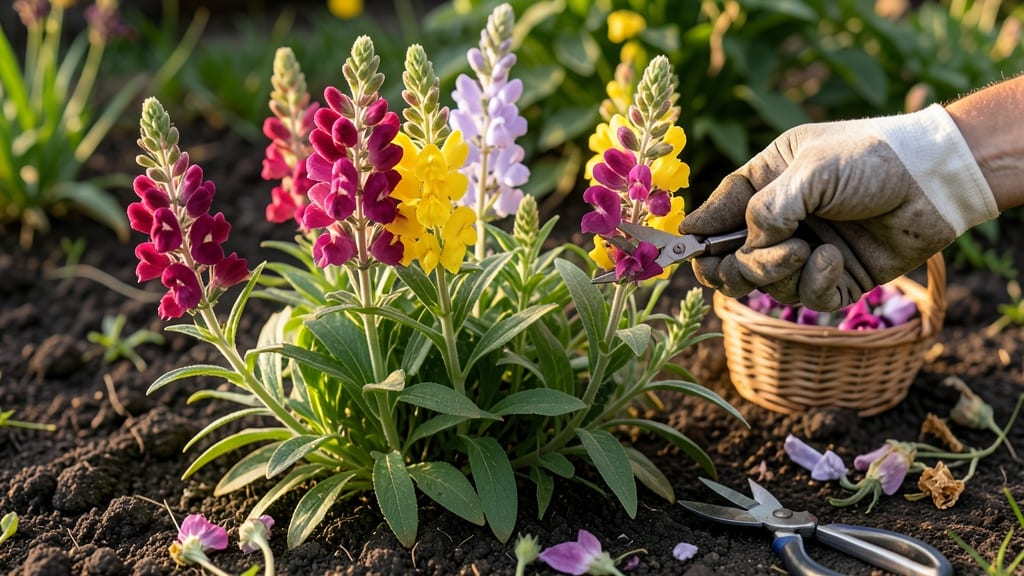
To harvest snapdragons at their peak, pick buds just as they begin to open 🌸 — this ensures long stems and vibrant color that last in bouquets.
Picture this: you’ve spent months nurturing your snapdragons, and now the blooms are ready—but one wrong cut could ruin everything. The difference between a stunning arrangement and a wilted mess comes down to timing and technique.
Harvesting too early means weak stems, while waiting too long gives you droopy, overripe flowers. I’ll walk you through the exact moment to snip, the sharpest tools to use, and how to keep your plants producing blooms all season.
You’ll learn how to extend your harvest window, avoid common mistakes, and even encourage your snapdragons to rebound with healthier growth after each cut.
Best time to harvest snapdragons for maximum stems and longevity
Harvesting snapdragons at the right moment ensures you get long-lasting stems for bouquets while keeping your plants healthy and productive. The key is to pick flowers when they're fully mature but not yet wilted, as this maximizes vase life and encourages more blooms.
I’ve learned that timing is everything—harvest too early, and you’ll get weak stems; wait too long, and the flowers lose their vibrancy.
For ideal snapdragon harvests, focus on three critical cues: bud development, petal firmness, and color intensity. These visual and tactile signals tell you exactly when to snip.
The goal is to capture flowers at their peak, just as they’re opening fully but before they start to fade. This balance is what gives you those stunning, long-lasting blooms in your arrangements.
Summary Table for Harvesting Snapdragons
The peak bloom stage is your sweet spot for harvesting snapdragons. At this point, the buds are fully open but haven’t started to wilt, ensuring the longest vase life for your cut flowers. I always check for vibrant color and crisp petals—these are telltale signs of readiness.
The stems should also be firm enough to snap cleanly when bent slightly, indicating they’re strong enough to support a full bouquet.
Harvesting too early can result in weak stems that won’t hold up in arrangements, while waiting too long leads to wilting flowers that lose their color and texture quickly. I’ve made this mistake before, and trust me, it’s disappointing to see your hard work go to waste.
The key is to act quickly once you spot those perfect buds—morning is the best time to harvest, as the flowers are fully hydrated and at their freshest.
Another pro tip I’ve picked up is to avoid harvesting flowers that are past their prime. Overripe snapdragons will have dull petals and soft stems, which not only look unappealing but also shorten their vase life dramatically.
If you notice any buds starting to fade or drop petals, it’s time to let them go and focus on the healthier blooms. This selective harvesting encourages your plants to produce more fresh flowers throughout the season.
For long-stemmed varieties, like the popular 'Black Knight' or 'Rocket' series, the stems can reach up to 24-36 inches in length. These are perfect for cutting and arranging, but they need to be harvested at the right time to maintain their length and strength.
I like to cut stems at a 45-degree angle just above a leaf node to encourage bushier growth and prevent disease from setting in at the cut end.
If you’re growing snapdragons in containers or small gardens, timing your harvests is even more critical. Since space is limited, you want to maximize each bloom’s potential. I recommend harvesting every 2-3 days during peak blooming season to keep your plants producing new flowers.
This frequent harvesting not only gives you a steady supply of cut flowers but also prevents the plant from becoming overcrowded with spent blooms.
One common mistake I see gardeners make is harvesting in the heat of the day. The sun can cause flowers to wilt quickly, reducing their vase life. Always harvest in the early morning when temperatures are cooler and the flowers are fully hydrated.
This simple habit can make a huge difference in how long your snapdragons last in a vase.
Finally, remember that regular harvesting encourages more blooms. Snapdragons respond well to deadheading and cutting, so the more you harvest, the more your plants will produce. Just be sure to water thoroughly after harvesting to help the plant recover and keep producing those stunning flowers all season long.
Step-by-step guide to cutting snapdragons without damaging plants
Harvesting snapdragons correctly ensures you get long-lasting stems while keeping your plants healthy and productive. The key is timing—cutting too early or too late can leave you with weak blooms or stunted growth.
I’ve found that harvesting in the early morning is ideal. This is when stems are filled with water, making them firmer and less likely to wilt quickly. Plus, cooler temperatures help preserve the vibrant color of your blooms.
Use a pair of clean, sharp pruners or scissors to make precise cuts. Dull tools can crush stems, which leads to bacterial infections and poor regrowth. I always sanitize my tools with rubbing alcohol before and after use.
⚠️ callout warning
⚠️ Common Mistakes That Ruin Snapdragon Harvests
- ❌ Cutting at wrong angle: Never cut too close to the base—leave 1/4 inch above a leaf node to promote new growth.
- ❌ Harvesting wilted blooms: Overripe flowers drain energy from the plant and won’t last in arrangements.
- ❌ Using dirty tools: Bacteria from unsterilized scissors can spread disease, causing stem rot.
- ❌ Skipping post-harvest care: Without proper water and fertilizer, your plant may stop producing blooms.
Pro Tip: Always cut at a 45-degree angle to increase water uptake and extend vase life.
Start by locating the lowest open bloom on each stem. This is your signal to cut—harvesting from the bottom encourages the plant to produce more flowers upward. Use a smooth, confident motion to avoid tearing the stem.
After cutting, place your snapdragons in a bucket of water immediately. This hydrates the stems and prevents wilting. I like to store them in the fridge overnight if I’m not arranging them right away—this keeps them crisp for days.
To encourage bushier growth, pinch off the top set of leaves after harvesting. This redirects the plant’s energy toward producing side shoots, which will eventually bloom. I also add a balanced fertilizer (like 10-10-10) every 4-6 weeks to support recovery.
With these techniques, your snapdragons will reward you with longer stems and more blooms all season. Just remember: patience and precision are key to a thriving garden! 🌸