
How To
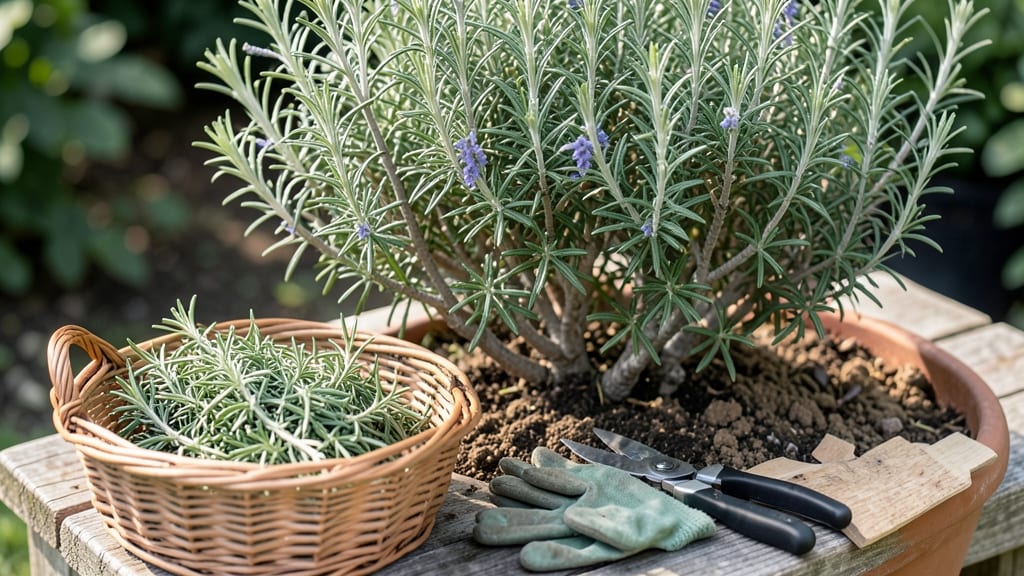
To harvest rosemary plant properly means cutting back just right—where the flavor peaks and the bush stays full.
Picture this: you snip a sprig, crush it between your fingers, and that pine-fresh aroma fills the air. That’s the moment you know you’ve timed it right. But get it wrong, and you’ll end up with stunted growth or bitter-tasting herbs.
Rosemary thrives when you harvest it before flowering, between spring and early summer, and always with clean, sharp scissors. The right technique keeps your plant lush and your kitchen stocked with the brightest, most aromatic sprigs all season.
In this guide, I’ll walk you through the exact steps—when to cut, how much to take, and how to store your harvest so it stays fresh longer. No more guesswork, just flavor-packed rosemary every time.
When and how to harvest rosemary for maximum flavor and growth
Harvesting your rosemary plant at the right time isn't just about getting fresh sprigs—it's about encouraging bushier growth and intensifying flavor. The best times to harvest are during spring and summer, when the plant is actively growing and producing its most aromatic oils.
If you miss these windows, don't worry—rosemary is resilient and can be harvested year-round in mild climates, though flavor may be slightly milder in winter.
For the strongest aromatic flavor, focus on harvesting non-flowering branches. This is because the plant redirects its energy to producing flowers, which can dilute the essential oils that give rosemary its signature pine-like scent.
Always aim to cut just before flowering begins—this ensures you're getting the most potent sprigs while also encouraging your plant to branch out and grow fuller. A well-pruned rosemary plant can become a thriving bush with proper care and attention.
Step-by-Step Guide to Harvesting Rosemary
- Step 1
- Step 2
- Step 3
- Step 4
- Step 5
- Step 6
Choose the right time of day. Harvest in the morning after the dew has dried but before the midday heat. This ensures the essential oils are at their peak concentration.
Select healthy, non-flowering stems. Look for branches that are woody (not soft or green) and have a strong pine scent when crushed. Avoid cutting stems that are flowering or overly woody.
Use clean, sharp pruning shears or gardening scissors. Make your cuts at a 45-degree angle, about ¼ inch above a leaf node. This angle helps water run off the cut and prevents rot.
Never cut more than ⅓ of the plant at once. Over-harvesting can stress the plant and reduce its ability to regrow. For mature plants, you can harvest up to half the new growth in a season without harm.
After harvesting, rinse the sprigs briefly under cool water to remove any dirt or pests. Gently shake off excess water and pat dry with a clean towel or paper towels. Store immediately in the fridge or use fresh for cooking.
Encourage bushier growth by pruning regularly. Trim back woody stems in early spring to promote new growth. This also helps maintain the plant's compact shape and prevents it from becoming leggy.
One of the biggest mistakes gardeners make is harvesting flowering stems. While it might seem like a good idea to get more sprigs, cutting these stems reduces the plant's ability to produce new growth and can weaken its overall health.
Instead, focus on the lateral branches—these are where the most flavorful and aromatic foliage grows. By prioritizing these, you'll encourage your rosemary to branch out and become denser over time.
If you're harvesting rosemary for culinary use, the younger sprigs are often the most tender and flavorful. However, for drying or making rosemary oil, slightly older stems with more essential oils are ideal. The key is to balance harvests so your plant never feels overworked.
A healthy rosemary plant can produce harvests year-round in warm climates, but even in cooler regions, it will reward you with multiple harvests per season if cared for properly.
After harvesting, take a moment to inspect your plant. Look for any signs of pests or disease, such as yellowing leaves or spots. If you notice anything amiss, address it immediately with organic pest control or neem oil.
A healthy rosemary plant is a productive rosemary plant, so regular checks are just as important as the harvesting itself.
For those growing rosemary in containers, harvesting techniques are slightly different. Since container-grown plants have limited root space, avoid cutting more than 10-15% of the plant at a time. This prevents over-stressing the plant and ensures it continues to thrive in its compact growing space.
Container rosemary also benefits from regular pruning to maintain its shape and encourage new growth.
Remember, the goal of harvesting rosemary isn't just to get fresh sprigs—it's to promote healthy growth and maintain flavor intensity. By following these steps, you'll not only enjoy the best-tasting rosemary but also watch your plant thrive and flourish for years to come. Happy harvesting! 🌿✂️
Best practices for storing freshly harvested rosemary
Once you’ve harvested your rosemary sprigs, proper storage keeps their aromatic oils potent and flavor vibrant. Whether you’re drying bundles, freezing sprigs, or refrigerating stems, each method preserves rosemary differently. I’ll show you how to maximize shelf life while keeping that pine-like scent intact.
Air-drying is the classic method for rosemary, but it requires patience—2-4 weeks of slow drying. For quick access, freezing works best for fresh sprigs you’ll use within months.
Refrigeration is ideal for short-term use, but even wilted rosemary can be revived with a little water. Let’s dive into the best approach for your needs.
| Method | Prep Steps | Storage Life | Best For |
|---|---|---|---|
| Air-Drying | Hang bundles upside down in a dark, dry place | 6-12 months | Long-term use, cooking, crafts |
| Freezing | Trim leaves, pack in airtight bags | 3-6 months | Fresh flavor, short-term storage |
| Refrigeration | Trim stems, wrap in damp paper towel | 1-2 weeks | Immediate use, garnishes |
For air-drying, bundle 3-5 stems together and hang them in a dark, well-ventilated spot. Remove leaves before drying if you prefer loose needles. Once brittle, strip leaves and store in an airtight container. This method preserves rosemary’s essential oils for up to a year.
If you’re freezing rosemary, chop stems into 2-inch pieces and spread them on a tray to prevent clumping. Once frozen, transfer to ziplock bags and label with the date. Thaw in the fridge before use to avoid watery texture in dishes.
To revive wilted rosemary, trim the stems and place them in a glass of water for 30 minutes. The needles will perk up, ready for use. For refrigeration, wrap stems in a damp paper towel and store in a sealed bag.
This keeps them fresh for 1-2 weeks while maintaining their scent.
Remember, rosemary’s aromatic compounds degrade over time, so choose your storage method based on how soon you’ll use it. Whether you dry, freeze, or refrigerate, proper storage ensures your rosemary stays flavorful and fragrant for months to come. 🌿