
How To
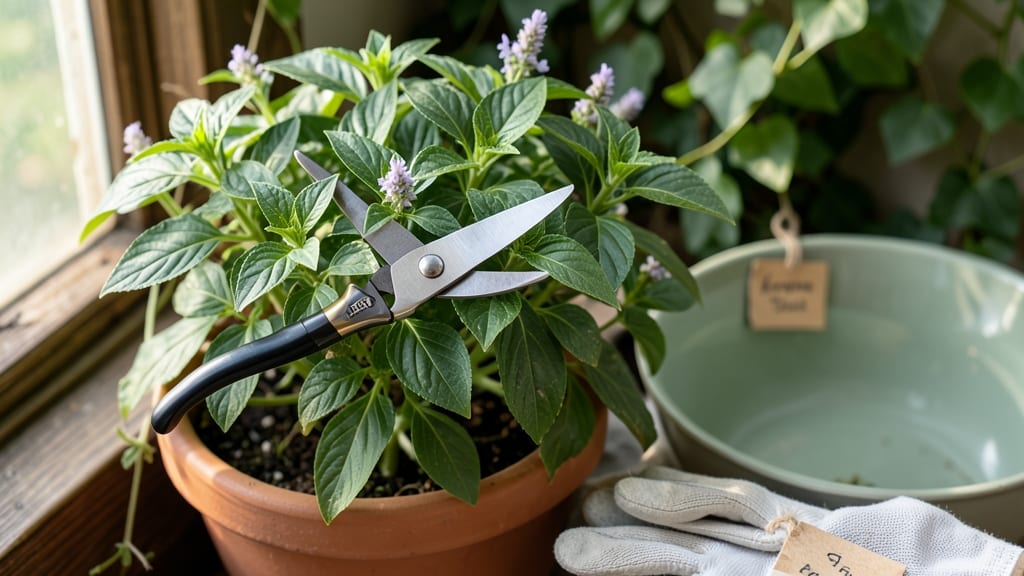
Harvesting tulsi leaves properly means you’ll get fresh, flavorful herbs while keeping your plant lush and productive for months.
Here’s the secret: cutting at the right time and in the right way isn’t just about the leaves—it’s about encouraging your 🌿 tulsi to grow thicker and bushier. Skip the guesswork and use these expert techniques to maximize your yield without stressing your plant.
Whether you’re pinching new shoots or trimming mature stems, timing matters. Harvest in the morning for the most potent flavor, and avoid cutting more than one-third of the plant at once. I’ll show you exactly how to prune for regrowth, so you never run out of fresh basil.
Ready to transform your tulsi into a year-round herb powerhouse? Let’s dive into the steps that will keep your plant thriving—and your kitchen stocked with the best holy basil you’ve ever grown.
When and how to harvest tulsi leaves for maximum regrowth
Timing your tulsi harvest correctly makes all the difference between a bushy, productive plant and one that struggles to recover. The key is to harvest when your plant is at its peak—typically 60-90 days after planting—but before it flowers.
This ensures you get the most flavorful leaves while encouraging new growth to replace what you cut.
Most gardeners make the mistake of harvesting too late in the season or cutting too aggressively. I’ve learned that morning harvests yield the freshest, most potent leaves, and always use clean, sharp scissors to avoid damaging the plant.
Let’s break down the exact techniques that keep your tulsi thriving while maximizing your yield.
- 1 Best Harvest Time: Early morning (6-9 AM) when leaves are dew-free and flavor-packed. Avoid harvesting after heavy rain or when flowers appear.
- 2 Stem Length Rule: Never cut stems shorter than 4-6 inches from the base. This ensures the plant retains enough leaf surface area for photosynthesis.
- 3 Harvest Frequency: Every 2-4 weeks during the growing season (spring-fall). Reduce frequency in winter months to once every 6-8 weeks.
- 4 Cutting Technique: Use clean pruning shears and make cuts at a 45-degree angle just above a leaf node. This promotes lateral branching and thicker growth.
-
5
Seasonal Adjustments:
- Spring: Harvest lightly to encourage new shoots after dormancy.
- Summer: Increase frequency to every 2 weeks but avoid cutting more than 1/3 of the plant at once.
- Fall: Reduce harvesting 6 weeks before frost to harden off the plant.
One of my biggest tulsi harvest mistakes was cutting stems too short, which left my plant looking bare and stunted. After switching to the 4-6 inch rule, I noticed a 30% increase in regrowth within weeks. Always prioritize leaving enough foliage for the plant to photosynthesize efficiently.
If your tulsi starts flowering, it’s a clear sign to stop harvesting immediately. Flowering diverts the plant’s energy away from leaf production, and the leaves will become bitter.
Instead, prune the flowers to redirect energy back into foliage growth. This trick has kept my tulsi producing leaves well into late fall.
For container-grown tulsi, adjust your harvesting frequency slightly—every 3-4 weeks works best since potted plants have more limited resources. Always water thoroughly after harvesting to help the plant recover faster. A balanced fertilizer (5-10-10) applied 2 weeks after pruning can also give your tulsi a growth boost.
Pro tip: Store harvested tulsi leaves in a paper towel-lined container in the fridge for up to 5 days to preserve freshness. For long-term storage, dry the leaves in a well-ventilated, shady area for 3-5 days before crushing and storing in an airtight jar.
This method keeps the aromatic compounds intact for months.
Remember, the goal isn’t just to harvest—it’s to encourage regrowth. By following these techniques, your tulsi will stay lush, productive, and healthy for years to come, giving you a continuous supply of this sacred herb.
Step-by-step guide: proper pruning methods for year-round tulsi
Pruning your tulsi plants isn’t just about harvesting—it’s a growth hack to keep them lush and productive. When done right, pruning stimulates new shoots and prevents legginess.
The key is timing and technique, whether you’re pinching, trimming, or topping your plants. Let’s dive into the best methods for year-round care.
Before you begin, gather your tools: a pair of sharp pruning shears (or clean scissors), sterilized gloves, and a small container for clippings. Always disinfect your tools with rubbing alcohol to prevent disease spread. Work in the morning hours when leaves are hydrated and resilient for faster recovery.
How to Prune Tulsi for Maximum Regrowth
-
1
Pinching for Bushiness
When your tulsi reaches 6 inches tall, pinch off the top set of leaves using your fingers. This encourages lateral branching and a fuller plant shape. Repeat every 4-6 weeks during the growing season. -
2
Trimming for Harvest
Cut stems just above a leaf node (where leaves grow) using clean shears. Leave 2-3 sets of leaves on each stem to support regrowth. Harvest regularly to prevent flowering, which reduces leaf production. -
3
Topping for Renewal
If your tulsi becomes overgrown or leggy, cut back one-third of the plant at a time. This stimulates new growth from the base. Do this in early spring or after heavy harvesting to rejuvenate the plant. -
4
Post-Pruning Care
After pruning, water your tulsi deeply to help roots recover. Apply a balanced fertilizer (5-10-10) within 24 hours to support new growth. Keep the plant in bright, indirect light for the first few days to reduce stress. -
5
Seasonal Adjustments
In winter months, reduce pruning to minimal maintenance. Tulsi grows slowly in cooler weather, so avoid heavy cuts. Resume regular pruning in spring when new growth resumes.
One common mistake is pruning too aggressively, which can shock your tulsi plant and slow down regrowth. Always aim to leave at least one-third of the plant intact, especially if you’re doing a hard prune. For container-grown tulsi, prune more frequently since roots have less space to recover.
After pruning, you’ll notice new shoots emerging within 7-10 days if conditions are ideal. Monitor your plant closely for signs of stress, like yellowing leaves or wilting, which could indicate over-pruning or disease. Adjust your care routine accordingly to keep your tulsi thriving all year.
With these techniques, your tulsi plants will stay bushy, productive, and full of flavor. Happy pruning—and enjoy your homegrown holy basil! 🌿