
How To
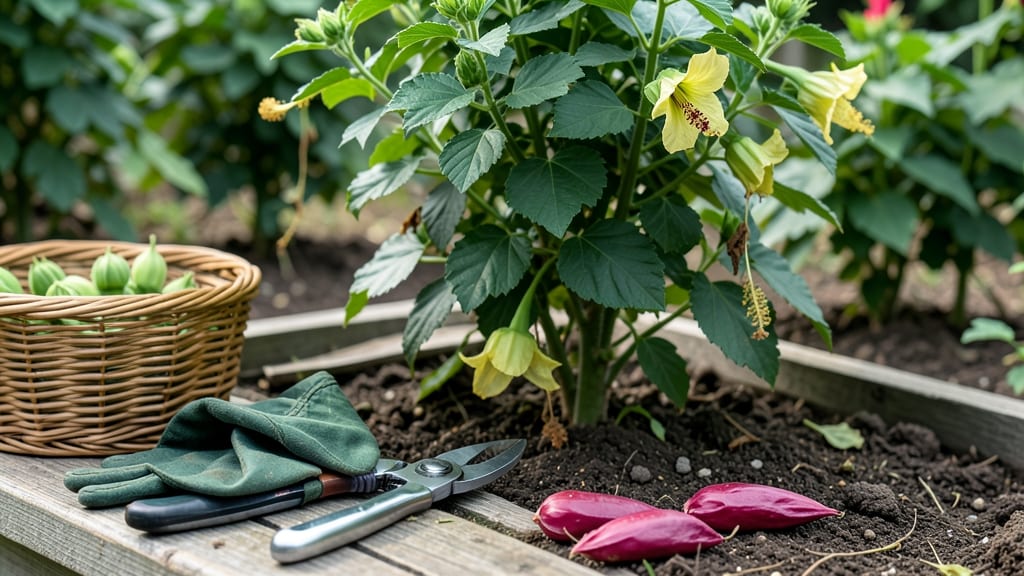
Harvesting roselle hibiscus calyces at the right moment transforms your garden into a flavor powerhouse, and missing the window means sacrificing tart, tangy goodness.
The moment your roselle hibiscus 🌸 calyces deepen into a vibrant red and begin splitting open is the perfect signal—your plants are ready for harvest, and timing is everything to maximize flavor and yield.
This isn’t just about picking leaves; you’re harvesting the star ingredient behind hibiscus tea, jams, and sauces. One wrong move, and you’ll end up with bitter, woody calyces instead of the tender, vibrant ones you crave.
Below, I’ll walk you through exactly when to harvest, the tools you’ll need, and how to store your bounty so it stays fresh—or even dried—for months. No guesswork, just results.
Identifying the perfect harvest time for roselle hibiscus calyces
Roselle hibiscus (Hibiscus sabdariffa) rewards patient gardeners with bright red calyces that burst with tangy, cranberry-like flavor. But harvesting at the wrong time means sacrificing flavor intensity and nutritional value.
The key is watching for three critical visual cues—color, texture, and size—that signal peak ripeness. When these align, you’ve got a perfect harvest window lasting just 2-3 weeks per season.
Timing your harvest correctly depends on your climate zone and seasonal patterns. In USDA zones 9-11, roselle typically flowers and sets calyces from late summer to early fall, with harvests stretching from September to November.
Gardeners in warmer microclimates may enjoy year-round production, while those in cooler regions should expect a shorter harvest season before frost.
| Indicator | Ready for Harvest | Not Ready | Best Action |
|---|---|---|---|
| Color | Deep crimson red with green base | Green or light pink | Harvest immediately |
| Size | 3-5 inches long | <2 inches or >6 inches | Wait 1-2 days if too small |
| Texture | Firm yet pliable, slight give when pressed | Hard or woody | Remove overripe calyces |
| Opening | Slightly splitting at top | Closed or fully open | Check daily during peak season |
| Season | Late summer/fall (Sept-Nov) | Spring or winter | Extend season with row covers |
Don’t confuse color alone with ripeness—some varieties like 'Red Jambu' stay green until fully mature. Instead, focus on the transition zone where the calyx meets the stem. This area should turn deep red first, followed by the rest of the calyx.
If you see white or yellow near the base, it’s a sign of overripeness and reduced flavor.
Climate plays a surprising role in harvest timing. In humid tropical zones, calyces may ripen faster (as little as 60 days after flowering), while drier subtropical climates can extend the process to 90 days.
Pay attention to your local temperature trends: consistent 75-85°F days with cool nights produce the sweetest calyces. Heatwaves can cause bitterness, so harvest earlier if temps exceed 90°F.
One common mistake is harvesting fully open flowers instead of calyces. The edible part is the bright red, fleshy calyx (the cup-shaped structure), not the petals. When petals begin to unfurl, cut the calyx 1 inch below the base to avoid damaging the plant.
If you miss this window, the calyx becomes leathery and fibrous, losing its tart, cranberry-like tang.
For gardeners in shorter growing seasons, prioritize harvesting younger calyces (2-3 inches) for earlier use, even if they’re not fully red. These green calyces have a milder, apple-like flavor and can be used in soups or teas. Just note they’ll require longer cooking times
Step-by-step guide to harvesting roselle hibiscus without damaging plants
Harvesting roselle hibiscus calyces requires precision to preserve both the plant's health and the flavor of your harvest. The key is knowing when to pick and how to do it without stressing the plant.
Over-harvesting or using dull tools can weaken your plants, reducing future yields. I’ve learned that gentle handling and sharp tools make all the difference in keeping my roselle hibiscus thriving for years.
Before you begin, gather your tools and prepare to work efficiently. You’ll need a pair of clean, sharp pruning shears or scissors, a bucket or basket for collecting calyces, and gloves to protect your hands from thorns.
Avoid pulling calyces by hand—this can damage the plant and leave it vulnerable to pests. Instead, use your tools to make clean cuts just above a leaf node to encourage new growth.
-
1
Identify mature calyces: Look for calyces that are 3-5 inches long, deep red, and just beginning to split open. These are ready for harvest and packed with the best flavor.
-
2
Use sharp pruning shears: Hold the shears at a 45-degree angle and cut just above a leaf node. This encourages new growth and prevents disease from entering the plant.
-
3
Avoid over-harvesting: Never take more than one-third of the calyces from a single plant at once. This ensures the plant can continue producing for weeks.
-
4
Harvest in the morning: Pick calyces early in the day when they’re cool and hydrated. This preserves flavor and makes them easier to handle.
-
5
Store immediately: Place harvested calyces in a shady, well-ventilated area or bucket. Process or store them within 24 hours to prevent spoilage.
Frequency is another critical factor in maintaining a productive roselle hibiscus plant. I recommend harvesting every 2-3 days during peak production to keep up with the plant’s output.
If you miss this window, calyces can become tough and less flavorful. Always check your plants regularly—especially in warm climates where growth is rapid.
After harvesting, give your plants a little extra care to encourage recovery. Water deeply and apply a balanced fertilizer to support new growth. This simple step ensures your roselle hibiscus will bounce back quickly and continue producing delicious calyces for months to come.
With these techniques, you’ll enjoy a bountiful harvest of roselle hibiscus calyces without compromising your plant’s health. The secret lies in patience, sharp tools, and a little routine care—just like any great gardening practice.