
How To
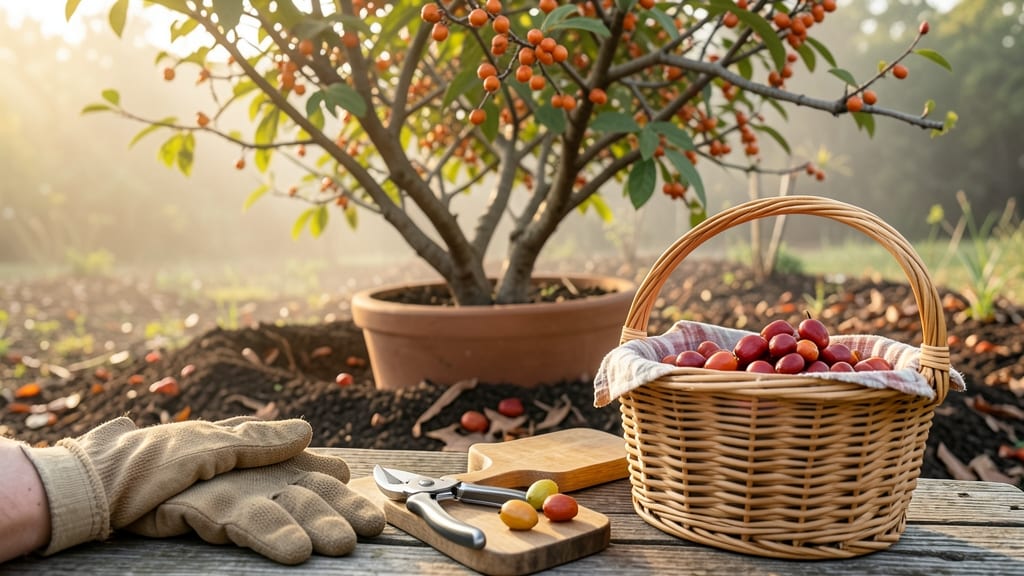
Harvesting goji berries at the right time transforms their flavor from tart to deeply sweet—and missing that window means bitter, mealy fruit that falls apart in your hand.
Picture this: your 🍇 goji berry shrub is loaded with bright red berries, but you’re not sure if they’re ready. The key is watching for that color shift to a rich, deep ruby—like a traffic light turning from red to amber.
One day they’re firm and vibrant; the next, they’re soft and ready to pick.
Timing matters because these berries don’t stay at peak flavor for long. Harvest too early, and you’ll get a bland, underdeveloped taste. Wait too late, and the berries turn mushy and lose their nutritional punch.
In USDA Zone 6a, that perfect window usually falls between late August and October—but climate and plant maturity can shift it by weeks.
Below, I’ll walk you through the exact visual cues to look for, the best time of day to harvest, and how to handle them afterward—whether you’re drying them for tea or snacking fresh. No more guesswork, just sweet, perfect berries every time.
How to identify the perfect goji berry color for harvesting
Goji berries (🍇 Lycium barbarum) undergo a dramatic color transformation from green to deep ruby as they ripen. This shift isn't just visually stunning—it's your primary indicator that the berries are ready for harvest.
The perfect harvest color is a vibrant deep red or ruby hue, not the pale pink or bright red you might see earlier in the season.
I've learned through years of growing these berries that color alone isn't enough. You'll also want to check for plumpness and slight softness. A ripe goji berry should feel firm but yield slightly when gently pressed between your fingers—like a ripe grape.
If it's rock-hard or mushy, it's not ready yet.
Here's where many gardeners go wrong: they harvest when berries are still bright red but haven't reached their full deep ruby color. These underripe berries often taste bitter and mealy, lacking the sweet, tangy flavor we all love.
The color shift to deep ruby typically happens 4-6 weeks after flowering, but this varies by climate.
In warmer climates (Zones 8-10), goji berries often reach harvest readiness by late August to early September. Meanwhile, in cooler regions (Zones 4-7), you might not see the deep ruby color until mid-to-late September or even October.
Always monitor your plants closely, as early frosts can ruin your harvest if you wait too long.
| Harvest Stage | Color Indicator | Texture | Climate Timing | Action |
|---|---|---|---|---|
| Unripe | Green to pale yellow | Hard, firm | Early summer | Avoid harvesting |
| Early Ripening | Bright red | Slightly firm | Late summer | Wait 2-3 weeks |
| Perfect Harvest | Deep ruby | Plump, slightly soft | Late summer to fall | Harvest immediately |
| Overripe | Dark purple-black | Mushy, wrinkled | Early fall | Avoid harvesting |
Another key visual cue is how easily the berries detach from the stem. When goji berries are perfectly ripe, they'll pop off with minimal pressure. This is different from overripe berries, which often fall off on their own or crush easily.
If you're seeing berries dropping to the ground, you've likely missed your window by a week or more.
Don't overlook the leaves and stems either. As berries ripen, the surrounding foliage may start to yellow and drop. This is your plant's way of signaling that it's redirecting energy to seed production.
In my experience, this happens about 2-3 weeks before peak harvest, so it's a great time to start monitoring your berries closely.
One common mistake I see is harvesting based solely on berry size. While ripe goji berries are typically 1/2 to 3/4 inch long, size alone isn't enough. A berry might be large but still green inside—always check the color and texture first.
For the sweetest flavor, aim to harvest when 70-80% of berries have reached that deep ruby stage.
If you're in a shorter growing season, consider harvesting slightly earlier when berries are bright red but firm. These can still be dried for later use, though they won't have the same depth of flavor as fully ripened berries.
The trade-off is better than losing your entire crop to frost.
Pro tip: Harvest on a dry morning after any morning dew has evaporated. This prevents berries from sticking to your hands and makes it easier to assess their true color.
And always use clean, sharp scissors or pruning shears to avoid damaging the plant—we'll cover proper harvesting techniques in the next section.
Best practices for harvesting goji berries without damaging the plant
Harvesting goji berries by hand is the gentlest method to preserve both the fruit and your plant's health. Start by choosing a dry, sunny morning—this minimizes moisture on the berries and reduces stress on the shrub.
The ideal time is between 8 AM and 10 AM, when temperatures are mild and dew has evaporated. Avoid harvesting after rain or in the afternoon heat, as wet berries bruise easily and hot conditions can overstress the plant.
Use only your hands or small pruning shears—never pull berries forcefully from the stem. Goji berries are delicate, and rough handling can damage the thin branches or cause the fruit to split.
If you must use tools, opt for sharp, clean scissors and cut just above the berry stem to avoid tearing the plant. For large harvests, a small harvest basket with a soft lining prevents bruising and makes sorting easier.
⚠️ WARNING: Avoid These Harvesting Mistakes ⚠️
⚠️ Picking berries in wet conditions increases fungal risks like powdery mildew. Wait until leaves and berries are completely dry—typically 2-3 hours after morning dew has dissipated.
⚠️ Ignoring weather forecasts can lead to harvesting before an impending frost. Check the 7-day forecast and prioritize picking if temperatures are expected to drop below 40°F (4°C) within 48 hours.
Work systematically from the bottom of the plant upward to avoid missing hidden berries. Goji shrubs produce fruit along the entire length of branches, so don’t overlook the lower stems.
Once you’ve harvested, gently shake the branches to dislodge any remaining ripe berries—just be cautious not to dislodge unripe or green berries, which won’t ripen further once picked. A soft brush or gloved hand works well for this step.
After harvesting, sort your berries immediately to separate the ready-to-eat ones from those that need more time. Place ripe berries in a single layer on a paper towel-lined tray to air-dry for 2-3 hours before storing or processing.
This prevents mold and preserves their vibrant color. For long-term storage, dry them completely at 135°F (57°C) for 8-12 hours or freeze them in a single layer on a tray before bagging.
Preserve your goji shrub’s health by pruning lightly after harvest. Remove any dead, diseased, or overcrowded branches to improve airflow and sunlight penetration. Avoid heavy pruning now—save major cuts for late winter or early spring when the plant is dormant.
Water deeply after harvesting to replenish moisture lost during the process, especially if your region experiences hot, dry spells.
Finally, mark your calendar for next year’s harvest by noting the first frost date in your area. In USDA Zone 6a, this typically falls around late October, giving you a 4-6 week window to harvest before cold weather sets in.
By following these steps, you’ll ensure your goji berry shrub remains productive for years to come—yielding sweet, plump berries season after season. 🍇