
How To
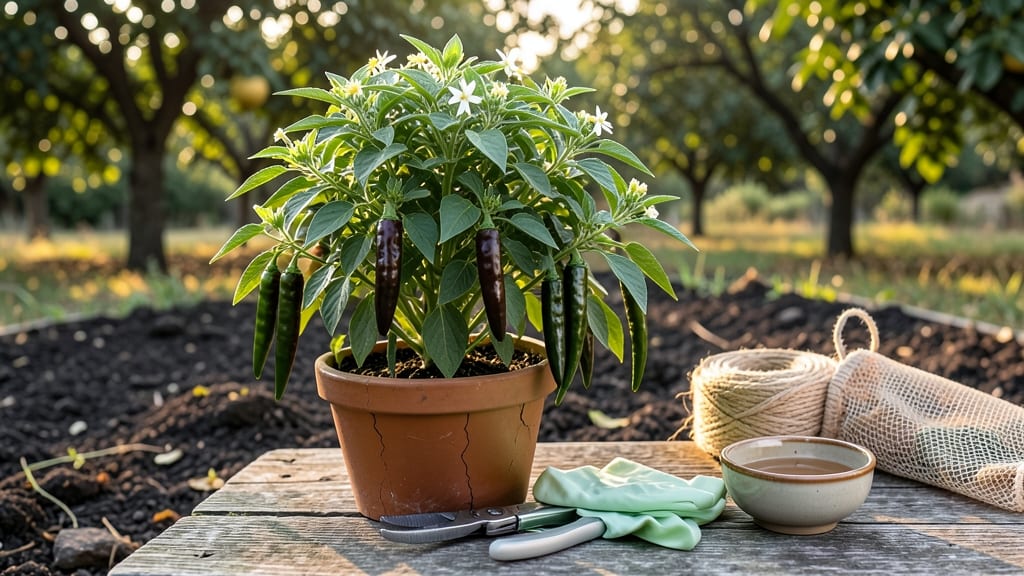
To harvest peppercorns at their peak flavor, wait until the berries turn deep purple and crack open naturally—this is when their heat and aroma reach their full potential.
Peppercorns aren’t just a gourmet spice—they’re the dried berries of the pepper vine, and harvesting them at the perfect moment transforms your kitchen into a spice pantry goldmine. But timing is everything: too early, and they’re bland; too late, and they lose their signature heat and aroma.
You’ll know they’re ready when the berries feel firm yet slightly soft and detach easily from the vine—like ripe plums ready for picking.
This window is short, so keep an eye on your 🌶️ Peppercorn plants in late fall, especially in USDA Zone 6a, where harvest season runs from October to November.
Once you’ve spotted the perfect pods, you’re just minutes away from turning them into a pantry staple. I’ll walk you through the exact steps—from harvesting to drying and storing—so you don’t miss a beat.
When to harvest peppercorns: visual and tactile cues for perfect timing
Harvesting peppercorns at the right moment ensures maximum flavor and potency. The ideal harvest window occurs when berries transition from green to deep purple-black, signaling full maturity. This usually happens 120-150 days after planting, but climate and variety can shift this timeline by 1-2 weeks.
For example, tropical varieties like Piper nigrum may ripen faster in warm climates, while cooler regions might see delayed ripening.
Don’t rely solely on color—tactile cues are equally important. Gently squeeze a berry: it should feel firm but slightly yielding, almost like a ripe plum. If it’s too hard, it’s underripe; if it’s mushy, it’s overripe.
Also, check for slight cracking along the berry’s surface, a sign the seeds inside are fully developed and ready for harvest.
Climate plays a critical role in ripening. In USDA Zone 6a, peppercorns typically ripen between October and November, aligning with the first frost. However, in warmer zones (7b+), you might extend harvesting into December.
Varieties like Piper nigrum (black peppercorn) and Piper longum (long pepper) have slightly different ripening profiles, so always monitor your specific plant.
| Sign | Perfectly Ripe Peppercorns | Overripe Peppercorns |
|---|---|---|
| Color | Deep purple-black | Dark brown or shriveled |
| Texture | Firm but slightly soft | Mushy or leathery |
| Cracking | Slight surface cracks | Deep splits or mold |
| Detachment | Easily plucked by hand | Sticks to vine or falls off |
| Seed Development | Hard, fully formed seeds | Soft or hollow seeds |
If you harvest too early, your peppercorns will lack heat and aroma, resulting in a bland spice. Underripe berries often stay greenish or partially colored and feel rock-hard when squeezed.
On the flip side, overripe peppercorns lose their flavor intensity and may develop mold or pests. Look for shriveled skin or dark spots, clear signs it’s past its prime.
Variety-specific cues matter too. For instance, Piper nigrum (black peppercorn) should be harvested when berries are deep purple-black, while Piper longum (long pepper) ripens to a darker brown hue.
Always test a few berries by cutting them open: fully developed, hard seeds inside confirm readiness. If seeds are soft or underdeveloped, wait a few more days.
Morning is the best time to harvest because berries are cool and firm, making them easier to pick without bruising. Avoid harvesting after rain, as wet berries are prone to fungal infections during drying.
Use clean pruning shears or gloves to avoid contaminating the berries, especially if your vine has powdery mildew or other issues.
Climate adjustments are key. In humid climates, peppercorns may ripen faster but also sprout mold if left too long on the vine. In dry regions, berries might take longer to ripen but dry more evenly.
If frost threatens before harvest, pick berries green and dry them indoors—they’ll still yield black peppercorns, though with slightly less potency.
Pro tip: Harvest in stages if your vine produces berries unevenly. This ensures you capture the peak flavor window across the entire plant. Store freshly picked peppercorns in a paper bag (not plastic) to allow airflow while waiting to dry.
Within 24 hours, you’ll notice the berries darken further—a final cue they’re ready for the drying process.
Timing your harvest correctly is an art, but with these visual and tactile cues, you’ll master it in no time. The reward? A homegrown spice that rivals store-bought, with unmatched depth and aroma. Happy harvesting! 🌿
Step-by-Step peppercorn harvesting: from vine to drying rack
Now that you’ve spotted your deep purple peppercorns ready for harvest, it’s time to act fast. The window between perfect ripeness and overripping is narrow—usually just 3-5 days—so gather your tools and head outside.
I recommend wearing gloves to protect your hands from the plant’s mild irritants, especially if you’re harvesting black peppercorns (the most common variety).
Your goal is to harvest the berries while they’re still firm but yielding, ensuring maximum flavor potency and aroma retention. If you wait too long, the pods may split open on the vine, scattering seeds and reducing your yield.
Grab a small basket or bucket and a pair of pruning shears—you’ll need both for a clean, efficient harvest.
How to Harvest Peppercorns: Step-by-Step
- 🌿 Step 1: Gently Twist or Snip
Hold each ripe peppercorn between your thumb and forefinger and twist gently until it detaches from the vine. For stubborn pods, use pruning shears to avoid damaging the plant. Aim to harvest only fully ripe berries—green or partially ripe ones won’t develop proper flavor. - 🪴 Step 2: Prune for Future Yields
After harvesting, inspect the vine for any dead or overcrowded branches. Use your shears to trim these back by 1/3 of their length, promoting airflow and encouraging new growth. This pruning step also helps prevent fungal diseases by reducing humidity trapped in dense foliage. - 💧 Step 3: Rinse and Drain
Once you’ve collected your peppercorns, rinse them gently under cool water to remove dirt or debris. Avoid soaking them, as excess moisture can lead to mold during drying. Pat them dry with a clean towel or let them air-dry on a paper towel for 10-15 minutes before moving to the drying stage. - ☀️ Step 4: Choose Your Drying Method
For the best flavor and potency, opt for air-drying in a well-ventilated area. Spread the peppercorns in a single layer on a wire rack or screen and place them in a spot with indirect sunlight and good airflow. Avoid direct sunlight, which can cause the berries to dry too quickly and lose their aromatic oils. - 🔥 Step 5: Oven-Drying (Alternative)
If you’re short on time or live in a humid climate, use an oven-drying method. Preheat your oven to 170°F (77°C) and spread the peppercorns on a baking sheet lined with parchment paper. Prop the oven door open slightly with a wooden spoon to allow moisture to escape. Check them every 30 minutes to prevent over-drying, which can make them brittle. - ✂️ Step 6: Test for Dryness
Your peppercorns are ready when they’re completely dry and hard to the touch. Gently press one—if it crumbles easily, it’s over-dried. If it still feels slightly soft, return it to your drying method for another 24 hours. Properly dried peppercorns should rattle when shaken in a container. - 🌱 Step 7: Store for Long-Term Use
Once fully dried, transfer your peppercorns to an airtight container, such as a glass jar or food-grade plastic bag. Store them in a cool, dark place, like a pantry or cupboard, where they’ll retain their flavor and potency for up to 2 years. For even longer shelf life, freeze them for up to 5 years.
After harvesting, don’t forget to label your containers with the harvest date and variety—this helps track freshness and flavor development over time. I like to keep a small notebook nearby to jot down notes on each batch, like drying conditions or any variations in taste.
This way, you can refine your process for even better results next season.
If you’re harvesting black peppercorns for the first time, start with a small batch to perfect your technique. The more you practice, the easier it becomes to spot the ideal moment for harvest and adjust your drying methods.
With patience and attention to detail, you’ll soon be enjoying homegrown peppercorns that rival the best store-bought varieties—and at a fraction of the cost.