
How To
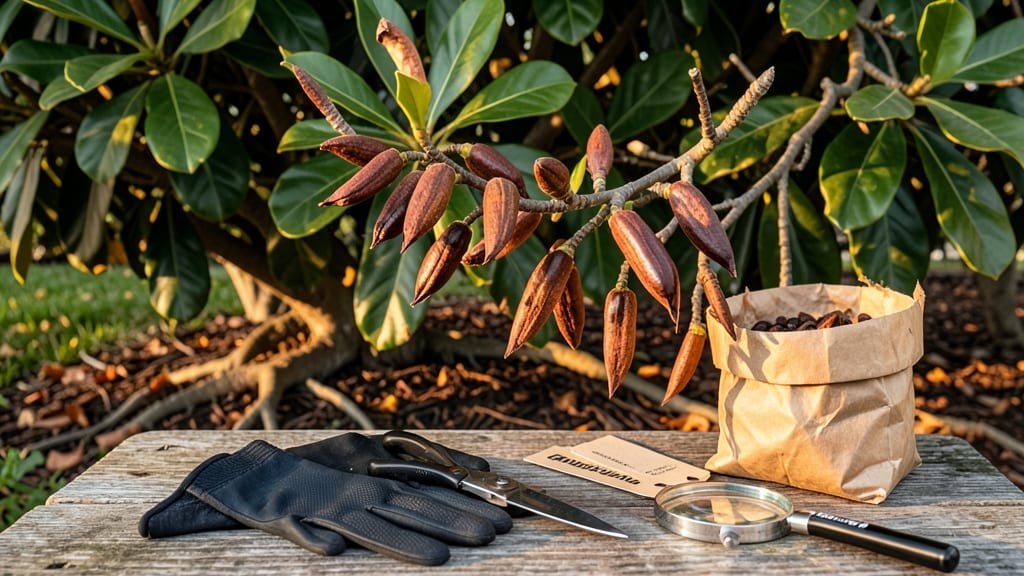
Harvesting magnolia seeds at the right moment means catching them when the pods crack open naturally—before they scatter or lose viability.
Watching magnolia seed pods split open reveals nature’s slow-motion drama—but timing is everything. Harvest too early, and your seeds won’t germinate; too late, and they’ll scatter or rot.
In USDA Zone 6a, the best window is late fall to winter, when the pods turn dry and brown and release seeds effortlessly. If you miss it, you risk losing your chance until next season.
Here’s how to spot the perfect pods, extract seeds safely, and store them for high germination rates—so you can grow your own 🌸 magnolia trees from scratch.
When to harvest magnolia seeds: identifying the perfect ripe pod stage
Harvesting magnolia seeds at the right moment ensures high germination rates and healthy saplings. The key lies in watching for visual cues and understanding seasonal timing. Unlike fruit trees, magnolias rely on pod maturity rather than fruit ripeness, making precise observation essential for success.
Timing your harvest correctly prevents two common mistakes: collecting seeds too early, when they’re still immature and sterile, or waiting too long, when they’ve already scattered or developed mold from moisture.
Most magnolia varieties reach harvest readiness between late fall and early winter, typically October through December in USDA Zone 6a.
Regional variations matter—southern climates may see harvests as early as September, while northern gardeners might extend into January. Always check your local last frost date and adjust accordingly. For example, in Zone 7, I’ve found November harvests yield the best results.
Now, let’s examine the critical differences between ripe, overripe, and diseased magnolia seed pods using this comparison table:
| Stage | Pod Color | Pod Texture | Seed Color | Harvest Window | Action Required |
|---|---|---|---|---|---|
| Ripe | Dry brown | Papery, cracks open | Dark brown/black | Oct-Dec | Harvest immediately |
| Overripe | Gray/brown | Brittle, splits easily | Light brown | Jan-Feb | Discard or test viability |
| Diseased | Green with spots | Soft, mushy | No seeds or moldy | Any time | Remove and sterilize tools |
| Immature | Green | Firm, unopened | Light green | Summer-Fall | Wait 4-6 weeks |
For visual confirmation, focus on the pod’s texture—ripe pods feel lightweight and papery, almost like crumpled paper. When you gently squeeze a ripe pod, it should split open naturally along its seams, revealing the dark brown seeds inside.
If the pod resists opening or feels leathery, it’s not ready yet.
Seed color is another critical indicator: dark brown or black seeds are fully mature, while light-colored seeds (tan or pale brown) haven’t developed properly. I’ve learned to compare multiple pods from the same tree—some may mature faster than others, so prioritize the driest, brownest pods first.
Regional climates influence timing significantly. In warmer southern zones (7b-9a), pods may ripen by mid-October, while in cooler northern zones (5a-6b), you might not see readiness until December. Always monitor your local weather forecasts—prolonged warm spells can accelerate ripening, while early frosts may halt it.
One common mistake is harvesting pods that have already fallen to the ground. While these may appear ripe, they’ve likely been exposed to moisture and pests, reducing viability.
Instead, harvest pods still attached to the tree or those that have just begun to crack open. Use clean, sterilized pruners to avoid introducing pathogens to fresh cuts.
If you’re unsure about a pod’s readiness, perform a simple float test: Fill a bowl with water and drop a few seeds inside. Viable seeds will sink immediately, while empty or damaged seeds will float.
This quick check saves time and ensures you’re working with high-quality seed stock for your garden.
Once you’ve confirmed ripeness, act quickly—magnolia seeds lose viability rapidly once pods open. Store harvested seeds in a cool, dry place (like a paper envelope in the fridge) until you’re ready for stratification. Proper timing now sets the stage for successful germination next spring.
Step-by-step process for extracting and storing magnolia seeds
Once you’ve identified your ripe magnolia seed pods, the next step is careful extraction to preserve seed viability. Magnolia seeds are delicate—handle them gently to avoid damage that could reduce germination rates.
Start by gathering your harvesting tools, including gloves, small pruning shears, a bowl, and paper towels for drying.
Work on a clean, dry surface to prevent contamination. Place a bowl beneath the pods to catch any seeds that fall naturally. Avoid dropping seeds directly onto soil or mulch, as this can introduce mold or pests during storage.
Timing matters: extract seeds within 24 hours of pod opening to maximize freshness.
How to Harvest Magnolia Seeds
- 1 Gather tools: Wear gloves, collect a bowl, pruning shears, and paper towels.
- 2 Open pods: Gently pry open dry, brown pods with fingers or shears. Avoid crushing seeds.
- 3 Extract seeds: Remove seeds with tweezers or fingers. Discard empty or shriveled seeds immediately.
- 4 Clean seeds: Rinse seeds in lukewarm water to remove debris. Pat dry with paper towels.
- 5 Dry thoroughly: Spread seeds on a mesh screen in a cool, dry place for 3–5 days. Stir daily for even drying.
- 6 Store seeds: Place dried seeds in a paper envelope or airtight container with a moisture absorber (e.g., silica gel).
- 7 Stratify (optional): For higher germination, refrigerate seeds in moist peat moss for 60–90 days before planting.
After drying, store your seeds in a cool, dark location (like a refrigerator) to maintain viability. Magnolia seeds can remain dormant for 1–2 years if stored properly, but germination rates drop over time. Label your storage container with the harvest date to track freshness.
Avoid common mistakes like over-handling seeds or storing them in plastic bags (which traps moisture). If seeds feel sticky or develop mold, discard them immediately. For best results, plant fresh seeds within 6 months of harvest.
With patience and care, you’ll be ready to stratify and sow your magnolia seeds in early spring—giving your future tree the best start possible. 🌱