
How To
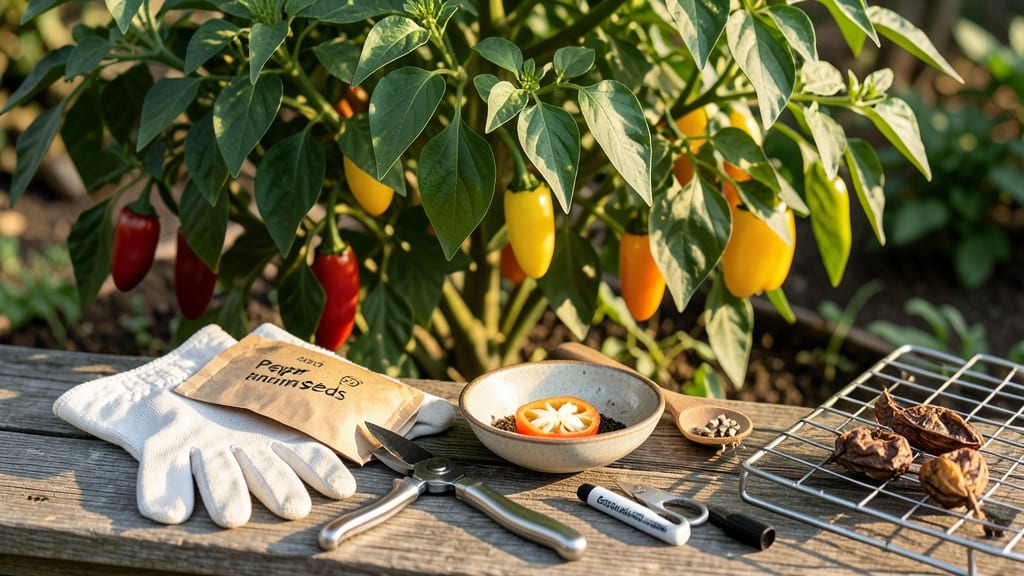
Harvesting pepper seeds from your homegrown 🌶️ plants is easier than you think—once you know the right steps to ensure strong germination.
Picture this: You’ve spent months nurturing your peppers, and now you want to save those seeds for next year. But if you pick too early or dry them wrong, you’ll end up with seeds that won’t sprout. That’s why timing and technique matter so much.
In this guide, I’ll walk you through the exact moment to harvest those pods, how to dry them properly, and even how to test if your seeds are still good before planting. No guesswork—just reliable, beginner-friendly advice that works.
By the end, you’ll know when those peppers are ready, how to extract the seeds without wasting them, and the best way to store them so they stay viable for months. Let’s get started!


When to harvest pepper seeds: identifying the perfect ripeness stage
Harvesting pepper seeds at the right time ensures high germination rates and healthy plants next season. The key lies in watching for visual maturity cues combined with ideal environmental conditions. Premature harvesting leads to underdeveloped seeds, while waiting too long risks seed deterioration or plant death before seed collection.
For most pepper varieties, seeds are ready when the pepper pod turns completely dry and hardens like wood. This typically occurs after the fruit has fully ripened on the plant.
The process begins with color changes in the pepper skin—moving from green to red, yellow, or purple depending on the variety—and ends with the pod becoming papery thin and brittle.
Environmental factors like temperature drops and reduced humidity trigger the drying process. In cooler climates, this happens naturally as fall approaches, while in warm regions, you may need to accelerate drying indoors.
Pay attention to your local climate: humid summers can delay drying, while crisp autumn air speeds it up.
| Ripeness Stage | Visual Cues | Environmental Triggers | Action Required |
|---|---|---|---|
| Early Ripening | Fruit color deepens (green→red/yellow) | Warm days, high humidity | Monitor daily for changes |
| Peak Ripeness | Pods firm, glossy skin | Stable 70-85°F temps | Harvest fruit for eating |
| Seed Maturity | Pods turn papery, seeds darken | Cooler nights (<60°F), low humidity | Collect pods immediately |
| Overripe | Pods shrivel, seeds blacken | Prolonged dry conditions | Seeds may lose viability |
Inside the pepper pod, seed color changes from white to dark brown or black when fully mature. This color shift indicates the seeds have completed their development cycle.
However, don’t wait until the seeds turn black—harvest when they’re deep brown to maximize viability. Overripe seeds may not germinate well, so timing is critical.
If your pepper plants are struggling with disease or pests before seeds mature, prioritize harvesting healthy pods first. Remove any pods showing signs of rot, mold, or insect damage—these won’t yield viable seeds. Healthy pods should feel firm to the touch and show no soft spots or discoloration.
For heirloom varieties, pay extra attention to pod texture. The moment the pepper skin becomes crinkly like paper and the stem easily detaches, it’s time to harvest. At this stage, the seeds inside are fully developed but haven’t yet lost moisture.
If you wait too long, the pods may crack open naturally, scattering seeds on the ground.
Temperature plays a crucial role in seed maturation. Ideal conditions include daytime highs of 75-85°F and nighttime lows above 60°F. If temperatures drop below 50°F at night, the drying process slows significantly.
In such cases, consider harvesting pods early and completing the drying process indoors under a dehumidifier or fan.
Humidity levels below 50% accelerate seed drying, while higher humidity can trap moisture inside the pods. If you’re in a humid climate, place harvested pods in a well-ventilated area or use a small fan to circulate air.
Avoid storing pods in closed containers until they’re completely dry—this can lead to mold growth and ruined seeds.
Once you’ve identified the perfect pods, cut them from the plant using clean scissors or pruners. Leave a small portion of the stem attached to help with drying efficiency.
Place the pods in a single layer on a paper towel-lined tray in a warm, dry location away from direct sunlight. This setup allows air to circulate freely, ensuring even drying.
Pro tip: Label your pods with the variety name and harvest date
Step-by-step pepper seed harvesting process for maximum germination
Once your pepper pods have reached full maturity, the next critical step is harvesting and processing the seeds. The goal is to collect seeds that will germinate at a high rate—meaning you’ll get strong, healthy seedlings next season.
I’ve learned from experience that rushing this process can lead to weak or non-viable seeds, so patience is key.
Start by selecting the best peppers for seed saving—look for varieties you love, ideally open-pollinated types. Avoid hybrid peppers if you want consistent traits in future generations. The ripeness stage is everything: overripe pods can ferment the seeds, while underripe ones won’t develop properly.
Now, let’s focus on the harvesting timing. You’ll know it’s time when the pods feel hard and dry to the touch, almost like a small wooden bead. The skin should also turn a deep, mature color, often brown or tan, depending on the variety.
This usually happens in late fall, after the first frost has threatened the plant.
⚠️ Critical Mistake to Avoid
Premature harvesting is the #1 reason seeds fail to germinate. If you pick pods too early, the seeds won’t be fully developed. Even if the pepper looks ripe for eating, wait until it’s completely dry and shriveled before harvesting for seeds. This can take 2-4 weeks after the pepper stops producing new fruit.
With your dry, mature peppers in hand, cut them open carefully using a clean knife or scissors. Scoop out the seeds and surrounding gelatinous pulp into a bowl. The pulp contains enzymes that help break down the seed coat, but it also needs to dry out completely.
If you leave it too long, fermentation can ruin the seeds.
Spread the seed pulp on a paper towel or mesh screen in a warm, well-ventilated area. Keep it out of direct sunlight to prevent overheating, which can damage the seeds.
Stir the seeds gently every 2-3 days to ensure even drying. This process should take about 1-2 weeks, depending on humidity levels in your home.
Once the seeds are completely dry and brittle, store them in a paper envelope or airtight container with a silica gel packet to absorb moisture. Label the container with the pepper variety and harvest date.
When stored properly, pepper seeds can remain viable for 2-4 years, though germination rates drop over time.