
How To
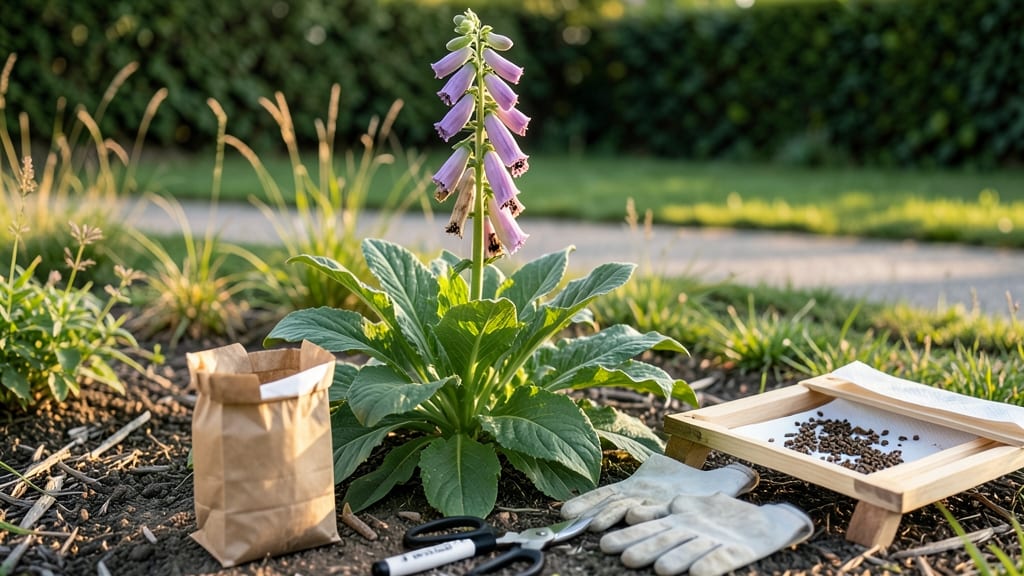
Harvesting foxglove seeds at the right time ensures strong germination rates for next year’s 🌸 blooms—but one wrong move can ruin everything.
Picture this: You’ve waited all season for those tall, bell-shaped flowers to fade, only to realize the seed pods are still green. Harvesting too early means shriveled, nonviable seeds that won’t sprout.
But get it right, and you’ll have a stash of plump, dark seeds ready to plant in USDA Zone 6a by next spring.
In this guide, I’ll walk you through how to spot perfectly ripe pods, the best tools for collecting seeds without damaging them, and the drying tricks that keep seeds viable for months.
Whether you’re a first-time gardener or a seasoned pro, these steps will help you avoid common mistakes—like moisture buildup or improper storage—that can turn your harvest into a bust.
When and how to Identify mature foxglove seed pods for harvesting
Foxglove (Digitalis spp.) produces stunning bell-shaped flowers but equally fascinating seed pods that signal the perfect time for harvest. Knowing when foxglove seed pods are ready ensures you collect viable seeds with the highest germination rates.
The key lies in observing color changes, texture shifts, and natural splitting—signs that indicate maturity.
Timing is critical because harvesting too early means immature seeds that won’t sprout, while waiting too long risks seed loss from scattered pods. Late summer to early fall—typically September through October—is the ideal window. This aligns with foxglove’s natural lifecycle when pods fully mature and seeds reach peak viability.
Before harvesting, gather your tools: clean pruning shears, a paper bag for collection, and gloves (foxglove is toxic). Work on a dry, sunny day to minimize moisture and speed up drying. Avoid harvesting in rain or humidity, as damp conditions can lead to mold or seed spoilage.
Step-by-Step Guide to Harvesting Foxglove Seed Pods
- 1 Identify mature pods: Look for brown, dry seed pods that have turned from green. They should feel lightweight and papery when touched.
- 2 Check for natural splitting: Mature pods will crack open slightly or split along their seams. Gently press the sides—they should give way easily.
- 3 Listen for a hollow sound: Tap a pod with your fingernail. A hollow, dry rattle confirms seeds are fully developed inside.
- 4 Harvest entire seed spikes: Use clean pruning shears to cut the entire seed spike (stem with pods) just above a leaf node. Avoid pulling pods off by hand to prevent damage.
- 5 Collect seeds in a paper bag: Place harvested spikes in a breathable paper bag to allow airflow. Avoid plastic bags to prevent condensation and mold.
- 6 Label and date your collection: Write the foxglove variety and harvest date on the bag. This helps track seed viability and germination testing later.
Once you’ve harvested, avoid the temptation to rush drying. Foxglove seeds need time to fully mature inside the pods. Place your collection in a dry, shaded area with good airflow for 2-4 weeks. This mimics natural conditions and ensures seeds reach peak germination potential.
Pro tip: If pods begin splitting open before you’re ready to harvest, place them in a brown paper bag and hang it upside down. This contains scattered seeds while allowing them to dry naturally. Avoid sealing the bag tightly—moisture buildup is the enemy of seed viability.
Remember, foxglove toxicity extends to its seeds. Always wear gloves and wash your hands thoroughly after handling. Keep seeds away from children and pets until they’re ready for planting in a secure garden bed.
With the right timing and technique, you’ll harvest high-quality foxglove seeds ready for next season’s garden. The key is patience—wait for those brown, split-open pods and you’ll reward yourself with a bountiful harvest of this beloved biennial. 🌸
Proper drying and storage methods for foxglove seeds to maximize germination
Once you’ve harvested your foxglove seed pods, the next critical step is drying them correctly to preserve seed viability. Improper drying can lead to mold, shriveled seeds, or even complete loss of germination potential.
The key lies in balancing humidity control, airflow, and temperature—all while avoiding direct sunlight that can overheat the seeds.
I’ve found that foxglove seeds dry best in a cool, dry environment with gentle airflow. A well-ventilated area like a screened porch, basement, or even a paper bag with holes punched in it works wonders.
Avoid plastic bags—they trap moisture and create the perfect conditions for mold. Let the pods dry for 2-4 weeks until they’re completely crisp and the seeds rattle inside.
Drying Methods for Foxglove Seeds
Hanging Method
- Pros: Even airflow, minimal handling
- Cons: Requires space, risk of pests
Hang pods upside down in small bundles with twine in a dry, shaded area. Ideal for large harvests.
Flat Surface Method
- Pros: Easy monitoring, good for small batches
- Cons: Risk of uneven drying, more handling
Spread pods on paper towels in a single layer in a cool, dry place. Flip daily for even drying.
After drying, store your foxglove seeds in paper envelopes or breathable fabric bags to prevent moisture buildup. Avoid airtight containers—seeds need to breathe to stay viable. Label each envelope with the harvest date and variety (if applicable), as seeds can remain viable for 2-3 years under ideal conditions.
For long-term storage, place the sealed envelopes in a cool, dark place like a refrigerator or basement, where temperatures stay between 35-45°F. Check periodically for signs of mold or pests. If you notice any issues, transfer the seeds to a new envelope immediately to prevent spread.
One pro tip I swear by: Before storing, let the seeds stratify naturally by leaving them in the dried pods for an extra 2-4 weeks. This mimics winter conditions and can significantly boost germination rates when you’re ready to plant.
Just place the pods in a paper bag in your fridge for the stratification period.
Remember, foxglove seeds are toxic—always wear gloves when handling them, and keep them out of reach of children and pets. With the right drying and storage methods, you’ll have a trove of healthy seeds ready to bring next year’s 🌸 foxglove blooms to life.