
How To
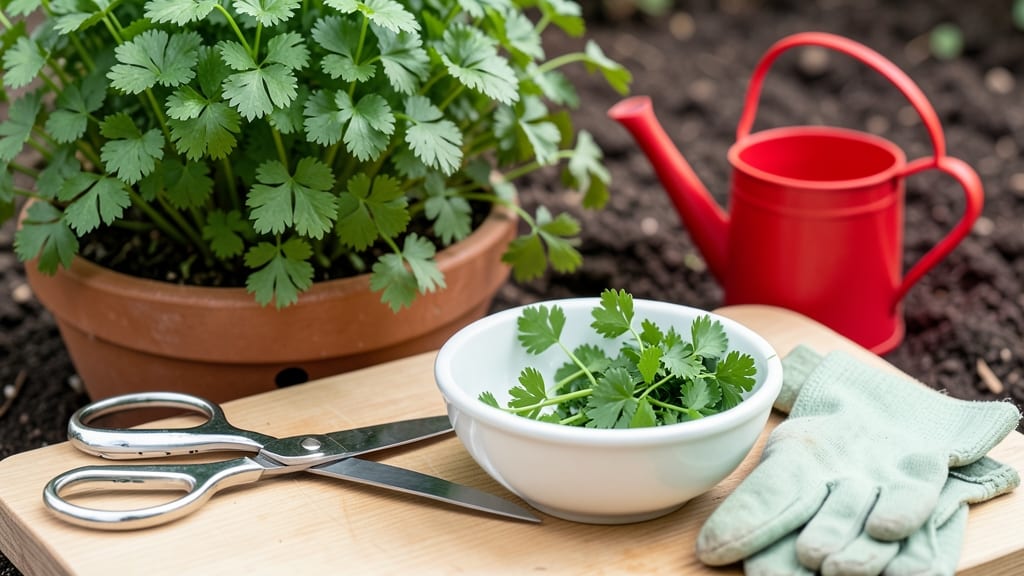
To harvest parsley without killing the plant, focus on trimming outer stems at the base while leaving the center intact—this encourages bushier regrowth and keeps your herb thriving for months.
Struggling to keep your parsley thriving after harvesting? You’re not alone—many gardeners accidentally stunt their plants by cutting too much or using the wrong techniques.
The key to a lush, year-round parsley supply lies in a simple ‘trim-and-regrow’ method that keeps your plant happy while giving you fresh leaves whenever you need them.
Parsley 🌿 is a hardy herb, but it needs the right approach to stay productive. Cutting too aggressively or harvesting at the wrong time can weaken the plant, leaving you with sparse, slow-growing leaves.
The solution? A few strategic cuts at the right moments—before flowering, when the stems are sturdy, and never more than one-third of the plant at once.
In this guide, I’ll walk you through the exact steps to harvest parsley the right way, including when to cut, how to avoid common mistakes, and how often you can safely harvest for a steady supply of flavorful leaves all season long.
The correct way to harvest parsley to encourage regrowth
Harvesting parsley the right way ensures you get fresh leaves all season without killing your plant. The key is timing—wait until your parsley has grown at least 6-8 inches tall and has 6-8 mature leaves.
This usually happens around 75 days after planting, but always check for vibrant green leaves and a strong aroma before cutting.
Never harvest parsley when it starts flowering, as this signals the end of its productive life cycle. Flowering redirects the plant’s energy toward seed production instead of leaf growth, leaving you with sparse, bitter leaves.
If you see yellow umbel flowers forming, it’s too late for that season—let the plant go to seed and start fresh next year.
Most gardeners make the mistake of cutting parsley too close to the base or taking too many leaves at once. This weakens the plant and can prevent regrowth. Instead, focus on selective harvesting—always leave at least half the plant intact to keep it healthy and productive.
Here’s how to harvest parsley the right way to encourage regrowth:
- 1 Wait for mature leaves: Harvest only when the outer leaves are fully developed (about 6-8 inches tall) and have a strong scent. This ensures the plant has enough energy to regrow.
- 2 Use sharp scissors: Grab a pair of clean, sharp pruning shears or scissors. Dull tools crush stems, making the plant more susceptible to disease.
- 3 Cut at a 45-degree angle: Snip the stem 1-2 inches above the soil line but never at the base. This prevents rot and encourages new growth from lower buds.
- 4 Leave the center intact: Never remove more than one-third of the plant at a time. Focus on the outer leaves to protect the growing point in the center.
- 5 Water thoroughly after harvesting: Give the plant 1 cup of water (250ml) to help it recover. Morning watering is best to reduce fungal risks.
- 6 Fertilize lightly afterward: Use a balanced 5-10-5 fertilizer (1 tbsp per plant) to replenish nutrients. Apply in the morning for best absorption.
After harvesting, your parsley should show new growth within 2-3 weeks if conditions are right. Place it in a spot with 6+ hours of sunlight daily and keep the soil consistently moist (not soggy). If you notice yellowing leaves or stunted growth, it might need more nutrients or water.
For curly parsley, the same rules apply, but be extra gentle—its delicate leaves bruise easily. Always harvest on a dry, sunny morning to preserve flavor and texture. Avoid harvesting after rain, as wet leaves can develop fungal spots.
One common mistake is waiting too long between harvests. If you let parsley go to seed, it won’t regrow well. Instead, harvest every 3-4 weeks during the growing season (spring to fall) to keep your plant productive. In winter months, reduce harvesting to avoid stressing the plant.
With this method, your parsley will stay lush and productive for years, giving you a steady supply of fresh leaves for cooking, garnishes, or teas. Happy harvesting!
Common harvesting mistakes that kill your parsley (and how to avoid them)
Even experienced gardeners accidentally damage their parsley plants by making simple harvesting mistakes. The most common error is cutting too aggressively—whether it’s removing too many leaves at once or snipping too close to the base.
This stresses the plant, causing stunted growth or even death. Another frequent oversight is harvesting during hot summer months when the plant is already struggling with heat stress.
Seasonal timing also plays a critical role. Many gardeners don’t realize that harvesting parsley in late summer or fall can weaken it before winter. The plant needs time to harden off and store energy for next year’s growth.
Even well-intentioned pruning can backfire if done at the wrong time or with the wrong tools.
How to Harvest Parsley Without Killing the Plant
- Never cut more than 1/3 of the plant at once—this prevents shock and encourages regrowth.
- Always use clean, sharp scissors to avoid crushing stems and inviting disease.
- Cut stems at a 45-degree angle 1-2 inches above soil level to promote new shoots.
- Avoid harvesting when flowers appear—this signals the plant’s energy is shifting to seed production.
- Water thoroughly after cutting to help the plant recover from stress.
One of the biggest mistakes is harvesting parsley at the wrong time of day. Wet leaves from morning dew or recent rain are more prone to fungal infections. Always harvest on dry, sunny mornings to preserve leaf quality and plant health.
I’ve seen gardeners skip this step and end up with moldy leaves or weakened plants that struggle to recover.
Another pitfall is overlooking seasonal adjustments. In spring, parsley grows quickly and can handle more frequent harvesting. But in summer’s heat, you should reduce harvesting frequency to every 4-6 weeks instead of every 3 weeks. The plant needs time to recover from heat stress and maintain its energy reserves.
If you notice your parsley yellowing after harvest, it’s often a sign of over-harvesting or nutrient depletion. In this case, reduce harvesting and apply a balanced 5-10-5 fertilizer to replenish nutrients. Yellowing can also indicate root stress, so check for proper drainage and avoid waterlogging.
For curly parsley, be extra cautious—its delicate leaves bruise easily. Never tug or pull leaves; always use clean scissors for precise cuts. And remember: patience is key. Rushing the harvest process often leads to weakened plants that take months to recover, if they recover at all.
By avoiding these common mistakes and following the proper harvesting techniques, your parsley will stay lush and productive for years to come. The secret is balance—harvest just enough to enjoy fresh leaves without overstressing the plant.
With the right approach, you’ll have a steady supply of parsley all season long! 🌿