
How To
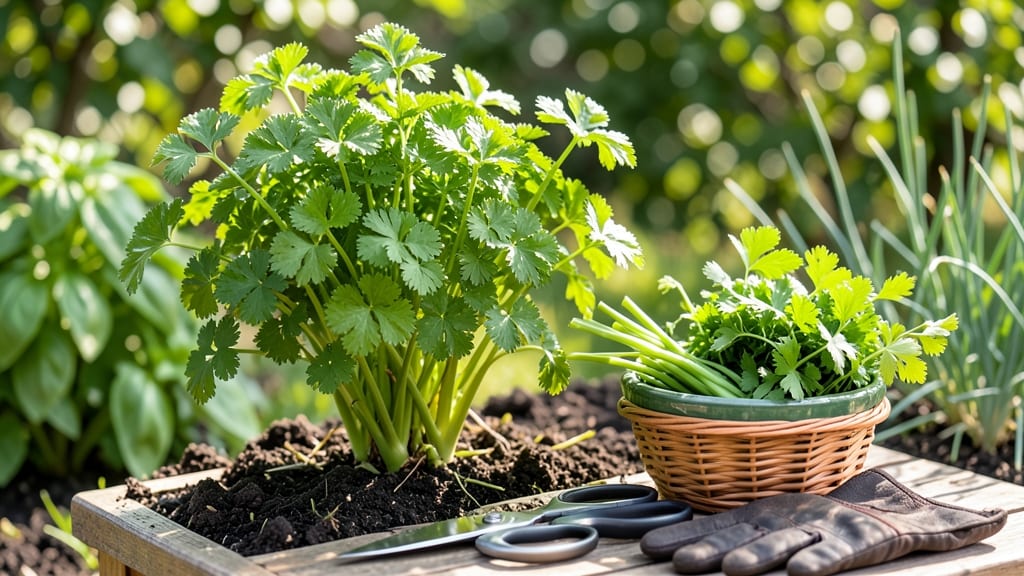
To harvest parsley properly means cutting stems just above a leaf node to keep your plant thriving 🌿 — a small detail that makes all the difference between a one-time harvest and a steady supply all season.
Fresh parsley isn’t just a garnish—it’s a versatile herb that keeps giving when harvested correctly, and learning the right techniques ensures your plant thrives for years. Whether you’re snipping sprigs for a recipe or planning a full harvest, the method you choose directly impacts regrowth and flavor.
Most gardeners make the mistake of pulling leaves instead of cutting stems, which weakens the plant over time. I’ll show you the three simplest cuts that keep parsley lush, plus the best times to harvest for maximum yield and how often to repeat the process without stressing your plant.
You’ll also discover how to spot over-harvesting before it’s too late, store your harvest to last weeks (or even months), and troubleshoot common issues like yellowing leaves or stunted growth. Let’s get started!
3 Best parsley harvesting methods for maximum regrowth
Harvesting parsley correctly is the secret to a flavorful, long-lasting herb garden. Unlike many herbs, parsley thrives when you encourage regrowth through strategic cutting. Whether you're growing flat-leaf or curly parsley, these three methods ensure your plant stays productive and healthy year-round.
I’ve tested all three techniques in my garden, and each has its perfect moment—cut-and-come-again for daily use, stem cutting for preservation, and root harvesting when you’re ready to propagate or extend the season.
The key is timing: harvest when leaves are mature but before flowering to keep the flavor vibrant and the plant vigorous.
Here’s how to master each method with minimal stress on your parsley plant:
- 1 Cut-and-Come-Again Method: Snip outer leaves or stems (never more than 1/3 of the plant) when they reach 3-6 inches tall. Use clean, sharp pruning shears and cut just above a leaf node to encourage new growth. This method works best for weekly harvesting and keeps parsley lush for months.
- 2 Stem Cutting: For long-term storage or propagation, cut entire outer stems at the base when they’re 6-12 inches tall. Bundle stems and hang them upside down in a dry, dark place to cure for 1-2 weeks. This preserves flavor and lets you regrow parsley from root cuttings later.
- 3 Root Harvesting: When your parsley is 2 years old or bolting, dig up the entire plant and trim the roots to 4-6 inches. Replant the healthiest root sections in fresh soil to grow a new plant. This extends your parsley’s lifespan by 1-2 more seasons and prevents seed production that weakens flavor.
For the cut-and-come-again method, I always harvest in the morning after dew dries—this ensures the leaves are crisp and packed with flavor. Avoid harvesting in the heat of the day, as this can stress the plant and lead to wilting or bolting.
If you’re using parsley for culinary purposes, focus on the younger, inner leaves first, as they’re more tender and aromatic.
The stem cutting method is my go-to for winter storage. After curing, I strip the leaves and store the stems in the freezer or dry them for later use.
Pro tip: Label your bundles with the harvest date—parsley stored for more than 6 months loses up to 30% of its flavor, so fresh is always best!
If your parsley is bolting (sending up flower stalks), it’s time for root harvesting. Bolting happens when parsley senses long days or stress, and the plant shifts energy to seed production.
By digging and replanting roots, you can often reset the plant’s cycle and get another 6-8 weeks of growth before winter.
One mistake I see often is cutting too close to the base or removing the central stem. This stunts regrowth because the plant needs its growth point intact.
Always leave at least 2-3 inches of stem and avoid damaging the root crown. With these methods, my parsley plants have lasted 3+ years in the garden!
For container-grown parsley, the same rules apply, but be extra gentle—root systems are more confined. After harvesting, give your parsley a light feeding with balanced fertilizer (like 5-10-10) to encourage rapid regrowth.
And remember: Consistency is key. Harvesting every 2-3 weeks keeps parsley compact and flavorful.
🌿 Whether you’re a beginner gardener or a seasoned pro, these techniques will keep your parsley productive and delicious all season long. Start with the cut-and-come-again method for daily use, then experiment with stem cutting for storage and root harvesting to extend your crop.
When and how often to harvest parsley for healthy growth
Timing your parsley harvests is key to maintaining a lush, productive plant throughout the growing season. Unlike many herbs, parsley thrives on regular harvesting, but there’s a fine line between encouraging regrowth and stressing the plant.
The best time to harvest parsley is when leaves reach 3-6 inches tall and appear dark green and fully formed—typically 60-75 days after planting.
For most gardeners, the ideal harvesting window spans from late spring through early fall, aligning with parsley’s peak growth period. In warmer climates (USDA zones 8-10), you can extend harvesting into late fall before the first frost.
If you’re growing parsley in containers, harvest slightly earlier to avoid overcrowding, as potted plants mature faster than in-ground varieties.
Harvesting frequency depends on your goals: if you’re using parsley for frequent cooking, aim for weekly harvests by snipping outer stems. For long-term storage or preserving, reduce frequency to every 2-3 weeks to let the plant bulk up.
Never harvest more than one-third of the plant at once—this rule prevents shock and ensures continuous growth.
| Season | Best Harvesting Time | Frequency | Signs of Over-Harvesting |
|---|---|---|---|
| Spring (April-June) | Morning hours, after dew dries | Weekly (outer leaves only) | Stunted new growth |
| Summer (July-August) | Early morning or late evening | Every 10-14 days | Yellowing leaves |
| Fall (September-October) | Before first frost | Bi-weekly (reduce as temps drop) | Woody stems |
| Winter (Zones 8-10) | Mild days only | Monthly (minimal) | No new leaf growth |
Watch for visual cues that indicate your parsley is being over-harvested. If you notice bare stems, yellowing leaves, or a sudden halt in new growth, scale back immediately.
I once over-harvested my parsley patch in July, and within days, the stems turned woody and the plant stopped producing fresh leaves—it took 6 weeks to recover. Always prioritize leaving at least 4-6 inches of growth on the plant.
To maintain parsley health between harvests, focus on soil moisture and light conditions. After harvesting, water deeply in the morning to replenish moisture lost during cutting. If your parsley is in partial shade, supplement with a grow light for 4-6 hours daily to prevent leggy growth.
In containers, fertilize lightly with a balanced 5-10-10 formula every 4-6 weeks during the growing season.
Pro tip: Mark your harvest dates on a calendar to track regrowth patterns. My parsley in full sun regrows faster than my shade-grown plants—sometimes in as little as 10 days after a light harvest. Adjust your frequency based on these observations, and you’ll enjoy year-round parsley with minimal effort. 🌿