
How To
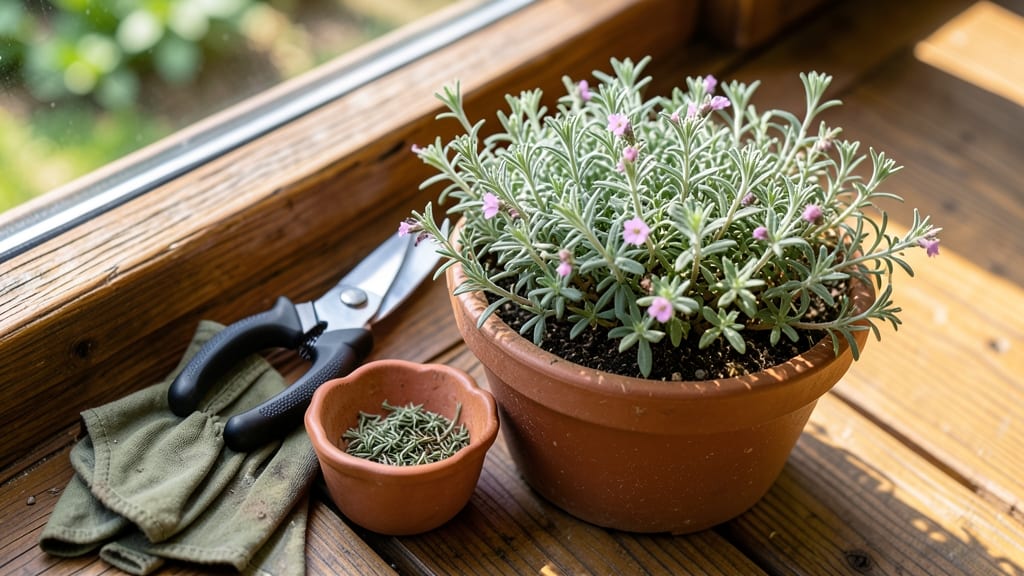
Harvesting fresh thyme the right way keeps your 🌿 garden thriving while giving you the most flavorful leaves for cooking.
Picture this: You snip a sprig of thyme, expecting a burst of aroma, but instead, it smells dull and woody. That’s how you end up when you harvest at the wrong time or cut too aggressively. The secret to year-round freshness is timing, technique, and knowing when to stop.
Thyme loves the sunny months from June to October, but even outside that window, a little care goes a long way. Whether you’re a beginner or a seasoned gardener, mastering the cut-and-come-again method ensures your plant stays lush and your kitchen stocked with fragrant herbs.
Below, I’ll walk you through the best tools, the perfect moments to harvest, and how to store your bounty so it stays vibrant—plus, the one mistake that turns your thyme into a sad, leggy shadow of its former self.
When and how to harvest fresh thyme for maximum flavor and plant health
Harvesting thyme at the right time ensures you get the most aromatic leaves while keeping your plant healthy and bushy. The best time to harvest is in the morning after dew dries, when essential oils are at their peak.
This simple timing trick makes all the difference in flavor intensity and plant recovery.
Thyme thrives on the cut-and-come-again method, which encourages dense growth rather than letting it become woody. By harvesting regularly, you prevent legginess and maintain that fragrant, compact shape we all love. Let me show you exactly how to do it without harming your plant.
After harvesting, let your thyme recover for 4-6 weeks before cutting again. This gives the plant time to regenerate and stay healthy. If you're growing thyme in containers or pots, the same rules apply—just be extra gentle to avoid disturbing roots.
For first-time harvesters, start small by cutting just a few stems. This helps you get comfortable with the process while keeping your plant happy. The more you practice, the easier it becomes to recognize the perfect time to harvest.
Pro tip: If you notice flower buds forming, harvest those stems first. The flowers contain flavor, but removing them redirects the plant's energy to leaf production, keeping your thyme lush and aromatic.
Remember, thyme is drought-tolerant, but it still needs proper care after harvesting. Water deeply 1-2 times per week (more in extreme heat) and avoid over-fertilizing. A little neglect is okay, but too much can lead to weak growth.
With these techniques, you'll enjoy fresh thyme all season long while keeping your plant looking its best. Happy harvesting! 🌿✂️
Thyme harvesting mistakes that kill your plant’s growth (and how to avoid them)
One of the biggest mistakes I see gardeners make with thyme is over-harvesting too early in the season. When you snip more than one-third of the plant at once, you’re stripping it of its ability to photosynthesize and regrow.
Thyme is hardy, but even it needs time to recover, especially after winter dormancy or when just starting its growing season.
Another common error is cutting at the wrong time. Harvesting thyme right after a heavy rain or when the soil is waterlogged can lead to fungal issues. Wet foliage creates the perfect environment for mold and mildew, turning your fragrant herb into a sad, slimy mess.
Always wait until the morning after rain to harvest, when the leaves have had time to dry slightly.
⚠️ callout warning ⚠️
🌿 Deadly Mistake: Using Dull Tools
A dull pair of scissors or shears crushes thyme stems, causing brown edges and stunted growth. Always use sharp, clean pruners or kitchen scissors to make precise cuts just above a leaf node. This encourages new growth and keeps your plant healthy.
💡 Pro Tip: Sterilize your tools with rubbing alcohol before and after harvesting to prevent spreading disease.
Many gardeners also ignore seasonal adjustments for indoor vs. outdoor thyme. Outdoor thyme thrives in full sun and can handle more frequent harvesting, but indoor plants need less frequent pruning because they grow slower.
If your indoor thyme is in a north-facing window, limit harvesting to once every 4-6 weeks to avoid stressing the plant.
Another silent killer is harvesting flowers before they’ve fully bloomed. While it’s true that thyme flavor peaks just before flowering, removing flowers entirely can reduce next year’s seed production.
Instead, let a few flowers bloom and set seed, then snip them back to encourage more leafy growth. This keeps your thyme productive and bushy for years.
Finally, neglecting post-harvest care can leave your thyme looking ragged. After harvesting, always trim back any woody or leggy stems to encourage a fuller shape. Water deeply after pruning to help the plant recover, especially if you’ve harvested more than 20% of the foliage at once.
This simple step keeps your thyme looking lush and encourages robust regrowth.
By avoiding these common mistakes, your thyme will stay vigorous and flavorful for years—whether you’re growing it in a sunny garden bed or a cozy windowsill.
The key is balance: harvest often enough for fresh herbs, but never so much that you starve your plant of the energy it needs to thrive. 🌱