
How To
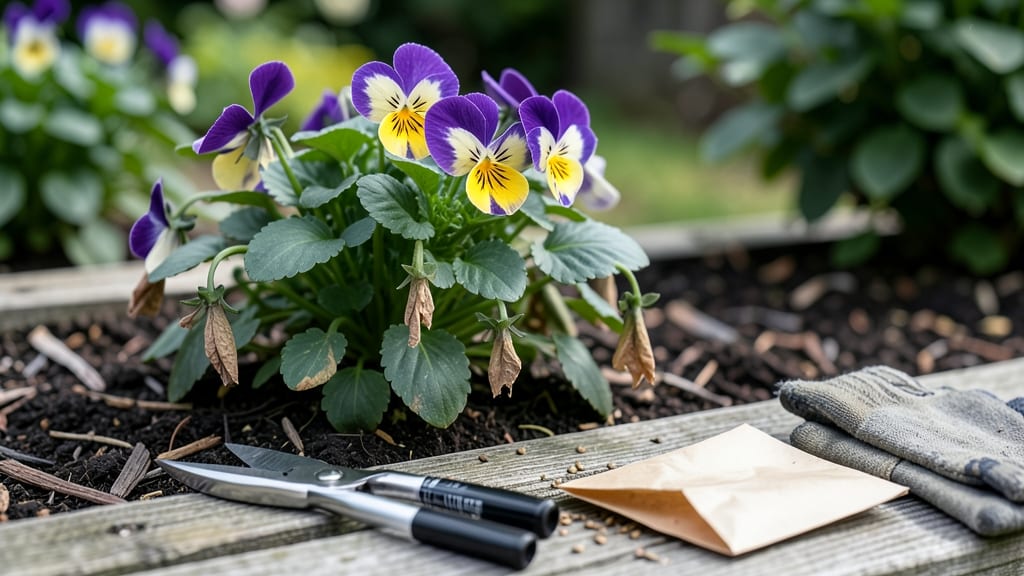
Harvesting pansy seeds at the right time saves you from wasted effort and ensures strong germination for next year’s blooms.
Picture this: you’ve nurtured your 🌸 pansies all spring, and now those seed pods are forming. But if you harvest too early, you’ll end up with shriveled seeds that won’t sprout. Get the timing wrong, and you might miss the window entirely—leaving you scrambling for replacements.
This guide breaks down the exact signs to watch for—when those pods turn brown and crisp, how to tell if they’re ready, and even how to store them properly so they last until planting season.
No more guessing games, just reliable, step-by-step advice to turn your garden’s leftover beauty into next year’s vibrant starts.
You’ll also learn how to avoid common pitfalls like moldy pods or seeds that dry out too fast, so your harvest stays fresh and ready for replanting. Let’s get those seeds saved the right way!
When to harvest pansy seeds: key timing tricks for optimal viability
Harvesting pansy seeds at the right moment ensures high germination rates and healthy future plants. The key is recognizing mature seed pods before they split open naturally. Premature harvesting leads to underdeveloped seeds that won't sprout well, while waiting too long risks losing seeds to wind or pests.
Understanding these visual and environmental cues will help you time your harvest perfectly.
Start by observing your pansy plants after they've finished blooming. The seed pods form where flowers once were, beginning as small green bulges. These pods undergo a color transformation from green to brown as they mature—this is your first visual cue.
However, color alone isn't enough; you'll also need to check the pod texture and listen for subtle sounds.
Here’s a quick reference to help you identify the perfect harvest moment:
| Stage | Pod Appearance | Texture | Sound Test | Action |
|---|---|---|---|---|
| Early Development | Green, firm pods | Moist, waxy | No sound | Wait 2-3 weeks |
| Maturing | Green-brown, slightly dry | Papery, dry | Soft rattle | Monitor closely |
| Ready to Harvest | Fully brown, crisp | Brittle, dry | Loud rattle | Harvest immediately |
| Overripe | Cracked pods | Seeds scattered | No sound | Too late |
The ideal harvest window for pansy seeds typically falls between late spring and early summer, roughly 80-100 days after planting. This timing aligns with the plant’s natural lifecycle, ensuring seeds have fully developed.
However, environmental factors like temperature and daylight can shift this window slightly. Cooler climates may delay maturity, while warmer regions might see pods ripen faster.
Daylight plays a crucial role in seed development. Pansies thrive in 4-6 hours of sunlight daily, but extended daylight in summer can accelerate pod drying. If you notice pods maturing too quickly (within 60 days), provide light shade during peak afternoon hours to slow the process.
Conversely, in shorter daylight conditions (like early spring or fall), pods may take longer to mature—be patient and avoid harvesting before they’re fully brown.
Temperature also affects seed viability. Ideal conditions for pansy seed development are between 60-75°F. If temperatures drop below 50°F, growth slows, and pods may not mature properly.
Conversely, heatwaves above 85°F can cause pods to dry out too fast, leading to shrunken or non-viable seeds. Monitor your local weekly forecasts and adjust your harvest timeline accordingly.
One of the most reliable tricks for timing your harvest is the "shake test". Gently shake a mature-looking pod over a dark-colored surface (like a piece of paper or cardboard). If seeds rattle loudly and fall out easily, they’re ready.
If only a few seeds drop or the pod feels too soft, wait another 2-3 days. This simple test eliminates guesswork and ensures you’re harvesting at peak viability.
Harvesting in the morning is ideal because pods are least likely to be damp from overnight dew. Avoid harvesting after rain, as moisture can promote mold growth during the drying process.
Use clean, sharp scissors or pruners to snip pods at the stem, leaving a small portion attached to prevent damage. Place pods in a paper bag (not plastic) to allow airflow and prevent condensation.
Once harvested, store pods in a cool, dry place (like a seed envelope or small mesh bag) away from direct sunlight. Proper storage prevents premature drying or mold, ensuring seeds remain viable for up to 2-3 years.
Label your seeds with the harvest date and variety to track freshness and plan future plantings.
Timing your pansy seed harvest correctly is all about balancing patience and observation. By watching for color changes, texture shifts, and listening for the telltale rattle, you’ll master the art of collecting seeds at their peak.
With these tricks, you’ll enjoy a bountiful harvest and healthy new pansies next season! 🌸
Step-by-step guide to harvesting and drying pansy seeds correctly
Once you’ve identified your 🌸 pansy seed pods as ready for harvest, the next critical step is collecting and drying them properly. Skipping this stage risks poor germination or moldy seeds.
The key is to handle those brown, papery pods with care—removing them at the right moment and processing them correctly to lock in viability for next season.
Gather your tools first: a pair of clean scissors or pruning shears, a paper bag for collection, and a well-ventilated drying area. Avoid plastic bags—they trap moisture and invite mold.
Instead, opt for breathable materials like brown paper bags or even an open cardboard box lined with newspaper. This simple setup makes all the difference in preserving seed quality.
How to Harvest Pansy Seeds
- 1 Wait for pods to fully brown—they should feel dry and brittle to the touch, not green or moist. Shake a pod over your hand; if seeds rattle inside, they’re ready.
- 2 Cut pods with clean shears—snip the entire pod from the stem, leaving a small stem attachment to prevent seeds from spilling. Work on a dry day to avoid moisture contamination.
- 3 Place pods in a paper bag—label the bag with the pansy variety and harvest date. Hang the bag upside down in a dry, dark, well-ventilated spot (like a closet or pantry) to dry for 2-3 weeks.
- 4 Shake pods daily to release seeds—once they’re fully dry, the pods will crack open on their own. Use a fine-mesh sieve to separate seeds from chaff and debris.
- 5 Store seeds in an airtight container with a silica gel packet to absorb moisture. Keep them in a cool, dark place (like a fridge) for up to 3 years while maintaining viability.
Drying pansy seeds too quickly—like tossing them in an oven—can kill viability. Instead, rely on natural airflow. If you notice mold or musty odors during drying, immediately move the pods to a drier location and spread them out to air out.
Humidity is the enemy of seed storage, so act fast if you spot any signs of spoilage.
After drying, test a few seeds by pressing them between your fingers—they should feel hard and dry, not powdery. If they crumble, they’re over-dried and likely won’t germinate.
Store only the plump, firm seeds in labeled envelopes or small jars, and avoid shaking the container once sealed to prevent damage.
With these steps, you’ll transform last season’s 🌸 pansies into next year’s vibrant blooms—no store-bought seeds needed! The key is patience: rushing the process leads to wasted seeds, but taking your time ensures a high germination rate and a head start on your garden. 🌱