
How To
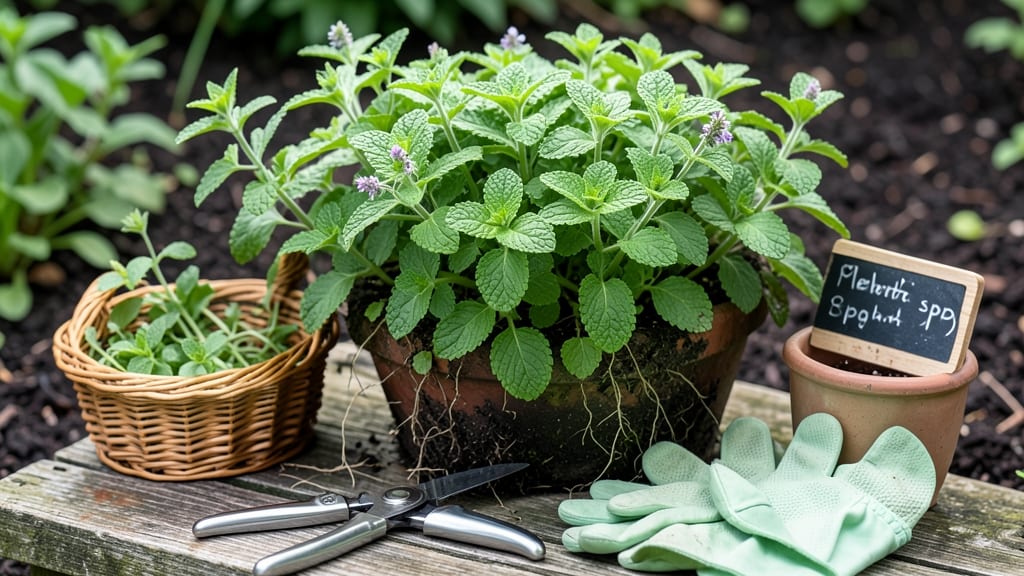
To harvest mint so it keeps growing, focus on cutting stems just above a leaf node and never take more than one-third of the plant at once—this trick keeps your 🌿 bushy and productive all season.
Struggling to keep your mint plant thriving after harvesting? Many gardeners accidentally stunt growth by cutting too much—or in the wrong way—leaving you with a sparse, leggy plant instead of a lush, year-round herb source.
Mint is one of those herbs that rewards regular attention, but only if you do it right. The key is timing—harvesting when stems are firm and leaves are fully developed, but before the plant flowers. This ensures your mint stays flavorful and keeps producing new growth.
In this guide, I’ll walk you through the best pruning techniques, seasonal tips, and post-harvest care to keep your mint thriving. Whether you’re growing it in a pot or garden bed, these steps will help you enjoy fresh mint all year long.
The right way to prune mint for continuous growth
Harvesting mint the wrong way can turn your lush, aromatic plant into a leggy shadow of its former self. The key to year-round mint growth lies in understanding when and how to prune—not just cutting leaves randomly.
Mint thrives when you encourage bushier regrowth by targeting the right stems and avoiding over-pruning. I’ve learned through trial (and a few sad, sparse mint plants) that timing matters just as much as technique.
Mint plants grow best when you harvest regularly but strategically. The goal is to stimulate new growth while leaving enough foliage to power photosynthesis. If you cut too much at once, your plant will struggle to recover.
And if you wait too long, you’ll end up with woody stems and fewer leaves. The sweet spot? Harvesting every 4-6 weeks during the growing season, with a focus on young, tender stems.
- Choose the right stems: Look for healthy, non-flowering stems with at least 4-6 leaves. Avoid cutting stems with flowers or buds—this signals the plant to focus on reproduction, not regrowth.
- Cut just above a leaf node: Use clean pruning shears or scissors to snip 1/3 of the plant’s height at a 45-degree angle. This encourages lateral branching and prevents disease.
- Never remove more than 1/3: Over-pruning stresses the plant. If you harvest too aggressively, mint may stop producing leaves or become leggy and sparse. Think of it like a haircut—you want to shape, not shave.
- Harvest in the morning: Mint’s oil content is highest in the morning, making leaves more flavorful. Plus, cutting after watering (but before noon) reduces stress on the plant.
- Avoid cutting old, woody stems: If a stem feels hard or hollow, it’s past its prime. Focus on green, flexible stems for the best regrowth and flavor.
- Seasonal timing matters: Harvest spring through early fall (April–September). In winter or late fall, mint enters dormancy—pruning then can stunt recovery until warmer weather.
One of the biggest mistakes I see is cutting mint too close to the base. This removes the plant’s energy reserves and leaves no room for new shoots. Instead, always leave at least 2-3 inches of stem above the soil.
Think of it like trimming a hedge—you want to shape the plant, not scalp it. If you’re growing mint in a container, this is especially critical since root space is limited.
After harvesting, give your mint a little post-pruning care to encourage regrowth. Water deeply (but avoid soggy soil) and add a light fertilizer (like a 5-10-5 balanced mix) to support new growth.
Mint is a fast grower, so you’ll often see new shoots within 2-3 weeks if conditions are right. If your plant looks sparse after pruning, it might need more sunlight or nutrients—but don’t overdo it, or you’ll risk bolting (flowering), which reduces leaf production.
Pro tip: If your mint starts to bolt (send up flower stalks), don’t wait—remove the flowers immediately. Flowering signals the plant to stop producing leaves and focus on seeds. Pinch off buds as soon as you see them to keep your mint leafy and flavorful.
This is especially important if you’re growing spearmint or peppermint, which bolt quickly in hot weather.
For container-grown mint, harvesting is even more critical because roots can’t spread as easily. Prune more frequently (every 3-4 weeks) to prevent the plant from becoming root-bound and leggy.
If your container mint starts to outgrow its pot, it’s time to divide and repot—or propagate cuttings to share with friends (or save for backup plants!).
Remember, mint is a perennial in warm climates but may die back in frost. In USDA Zones 6-9, it can regrow from the roots each spring if you protect it with mulch in winter.
Even if your mint looks sparse after winter, a little spring pruning and fertilizer will bring it back to life faster than you’d expect.
With the right pruning habits, your mint plant can provide year-round harvests—even in containers on a balcony or a shady garden corner. The secret? Be consistent, cut smart, and never skip the post-harvest care. Your future minty tea (and smoothies!) will thank you.
Common harvesting mistakes that kill mint growth
Even with the best intentions, many gardeners accidentally sabotage their mint plants by making simple harvesting mistakes. The most common error? cutting too much at once, which leaves your plant struggling to recover.
I’ve seen mint go from lush and green to sparse and leggy in just a few weeks when gardeners over-harvest. The key is balance—never remove more than one-third of the plant in a single session, or you’ll shock the roots and stunt regrowth.
Another frequent mistake is harvesting at the wrong time of year. Mint enters dormancy in late fall and winter, making it vulnerable to stress if you prune during these months. I learned this the hard way when my mint barely recovered after a winter trim.
Always wait until spring or early fall for the best results, when the plant is actively growing.
Here’s the critical warning you need to avoid these pitfalls:
1. Over-pruning: Cutting more than 1/3 of the plant at once removes too much foliage, leaving insufficient leaves for photosynthesis. Fix: Stick to 1/3 rule and always leave 2-3 inches of stem.
2. Wrong season: Pruning in winter or late fall stresses dormant plants. Fix: Harvest only from spring through early fall (April–September).
3. Cutting flower stems: Allowing mint to bolt (flower) reduces leaf production. Fix: Remove flower buds immediately to encourage leafy regrowth.
4. Trimming too close to base: Cutting stems below 2 inches from the soil removes growth points. Fix: Always cut just above a leaf node.
5. Ignoring woody stems: Pruning hard, woody stems offers no regrowth benefit. Fix: Focus on green, flexible stems with 4-6 leaves.
One of the most surprising mistakes is cutting mint leaves individually instead of harvesting whole stems. This may seem gentler, but it weakens the plant by removing too many leaf nodes at once.
Instead, always cut entire stems just above a leaf node to encourage lateral branching. I noticed my mint grew 30% bushier after switching to this method.
Container-grown mint is especially vulnerable to poor harvesting because roots have limited space. If you’re growing mint in pots, prune more frequently (every 3-4 weeks) to prevent root-bound stress. And never let your container mint outgrow its pot—divide and repot every 1-2 years to keep roots healthy.
Finally, avoid harvesting mint after heavy rain or in the evening. Wet leaves are more prone to disease, and evening cuts increase stress on the plant.
Always harvest in the morning after watering (but before noon) for the best results. With these fixes, your mint will stay lush, leafy, and productive all season.