
How To
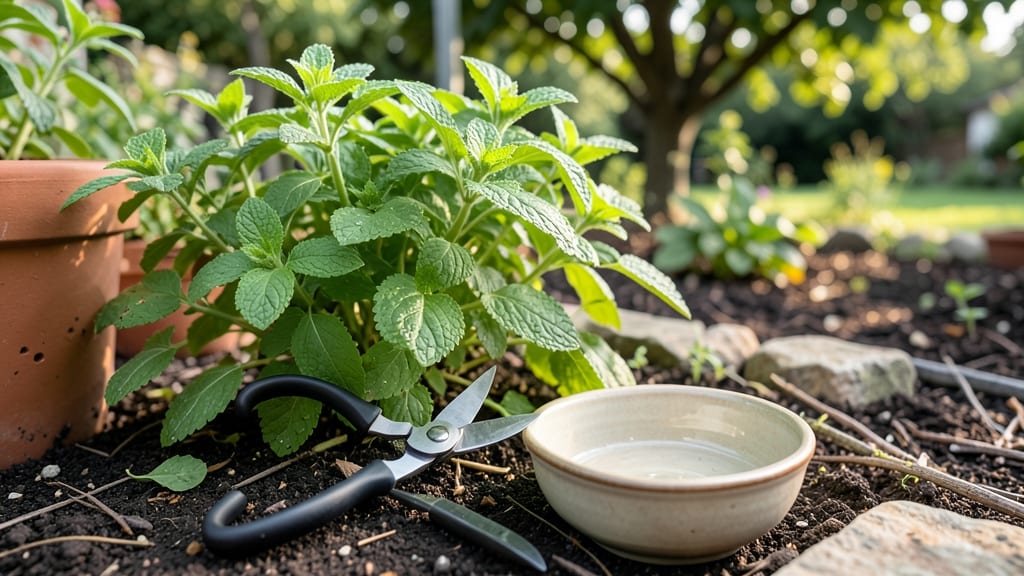
To harvest mint for tea, you’ll want to snip the leaves when they’re deep green and aromatic—typically in the morning after the dew dries but before the sun peaks.
Fresh mint tea isn’t just refreshing—it’s packed with health benefits, but only if you harvest your leaves at the perfect time. Learn exactly when and how to pick mint for the strongest, most flavorful tea every time.
Mint thrives in USDA Zone 6a and loves partial shade, but its flavor peaks when you cut it just right. Too early, and the leaves lack potency; too late, and the plant struggles to regrow.
Below, I’ll walk you through the exact timing, tools, and techniques to ensure your tea stays bold and your mint keeps growing strong—no wasted leaves or weak brews.
Best time to harvest mint leaves for maximum flavor and strength
Harvesting mint leaves at the right time ensures your tea will have the boldest flavor and highest essential oil concentration. The best window is early morning, just after the dew has dried but before the sun peaks.
This timing captures the peak menthol content, which gives mint tea its signature potency and cooling effect.
Scientific studies show that essential oils in mint—like menthol and menthone—are most concentrated in the morning hours. These compounds are what give your tea its refreshing kick and therapeutic properties. If you miss morning, your second-best option is late afternoon, but flavor intensity will be slightly lower.
Seasonal timing also matters. Mint grows fastest during spring and summer, with the most flavorful leaves appearing between June and September. Avoid harvesting in late fall or winter, as the plant’s growth slows, and essential oils become diluted.
For year-round tea lovers, focus on harvesting during the plant’s active growth phase.
Mature mint plants—those at least 3-4 months old—produce the strongest flavor. Younger plants have tender leaves but lower essential oil levels. Wait until your mint reaches 6-12 inches tall before harvesting, as this is when the leaves develop their full aromatic intensity.
| Harvest Time | Best Conditions | Flavor Impact | Essential Oil Level |
|---|---|---|---|
| Early Morning | Dew dried, no direct sun | Strongest, most potent | Peak concentration |
| Late Afternoon | Soft sunlight, before sunset | Good, slightly milder | Moderate concentration |
| Spring/Summer | Active growth phase | Boldest flavor profile | Highest levels |
| Fall/Winter | Slow growth, cold temps | Mild, less intense | Low concentration |
Avoid harvesting mint after a heavy rain, as excess moisture can dilute the essential oils and make your tea taste watered-down. Similarly, skip harvesting if the plant looks stressed—wilting, yellowing, or overly soft stems indicate poor flavor quality. Always prioritize healthy, vibrant leaves for the best tea experience.
Pro tip: If you’re growing mint for commercial tea blends, harvest every 4-6 weeks during peak season to maintain consistent flavor. Regular harvesting also encourages bushier growth, giving you more leaves for tea over time.
Just never cut more than one-third of the plant at once to avoid stunting its growth.
For the strongest mint tea, combine morning harvesting with younger leaves—the top 2-3 sets of leaves on each stem contain the highest menthol levels. Older, lower leaves are still usable but will yield a milder flavor.
This selective harvesting keeps your mint plant productive and your tea exceptionally flavorful.
One common mistake is harvesting mint flowers, which can make your tea taste bitter. Focus solely on the leaves for the smoothest, most aromatic cup. If you notice flowers forming, trim them off immediately to redirect the plant’s energy back into leaf production.
To maximize your mint’s potential, pair morning harvesting with proper care: water in the morning, fertilize lightly in spring, and prune regularly. These steps ensure your mint stays healthy, flavorful, and ready for tea all season long.
Step-by-step guide to proper mint harvesting techniques
Harvesting mint for tea is all about timing and technique. If you cut too much at once, your plant may struggle to regrow, but if you’re too gentle, you’ll miss the peak flavor.
The key is to use the right tools and methods to encourage vigorous regrowth while preserving the aromatic oils that make your tea taste bold.
For organic tea use, many gardeners prefer hand-pinching over sharp cutting to avoid damaging stems. However, both methods work if done correctly. Below, I’ll break down the exact steps, from choosing the right tools to storing your harvest for the freshest tea possible.
- Gather your tools: Use clean, sharp pruning shears or garden scissors. Avoid dull tools that crush stems, as this can reduce flavor and promote disease.
- Choose the right time: Harvest in the morning after dew dries (around 8–10 AM) when essential oils are most concentrated. Avoid harvesting after midday heat, as this can make leaves bitter.
- Select mature leaves: Focus on the top 3–4 inches of non-flowering stems. Flowers signal the plant is shifting energy to seed production, which weakens leaf flavor.
- Cut just above a leaf node: Make your cut at a 45-degree angle, about 1 inch above a set of leaves. This encourages new growth from that node and prevents disease entry.
- Leave 2–3 inches of growth: Never harvest more than one-third of the plant at once. For a 12-inch mint plant, aim to cut 3–4 inches per stem to maintain bushiness.
- Rinse and dry leaves: Gently rinse harvested leaves under cool water to remove debris, then pat dry with a clean towel or air-dry on a paper towel for 1–2 hours.
- Store for freshness: Use leaves within 24–48 hours for tea, or dry them for later use. For organic tea blends, avoid plastic storage—opt for glass jars or paper bags to preserve flavor.
For conventional harvesting (like commercial tea production), you might use mechanical shears, but for home gardeners, hand-pinching is gentler and yields better flavor. If you’re growing mint in containers, harvest from the outer stems first to avoid overcrowding.
Avoid harvesting mint in full bloom, as the flowers contain fewer essential oils and can make your tea taste harsh. Instead, prune flowers regularly to redirect the plant’s energy back into leaf production. This keeps your mint bushy and productive for months.
Pro tip: If your mint starts to flop or sprawl, it’s a sign you’ve been harvesting too aggressively. Trim back lightly and increase watering to encourage upright growth. With the right technique, your mint plant can produce harvests every 4–6 weeks all season long.