
How To
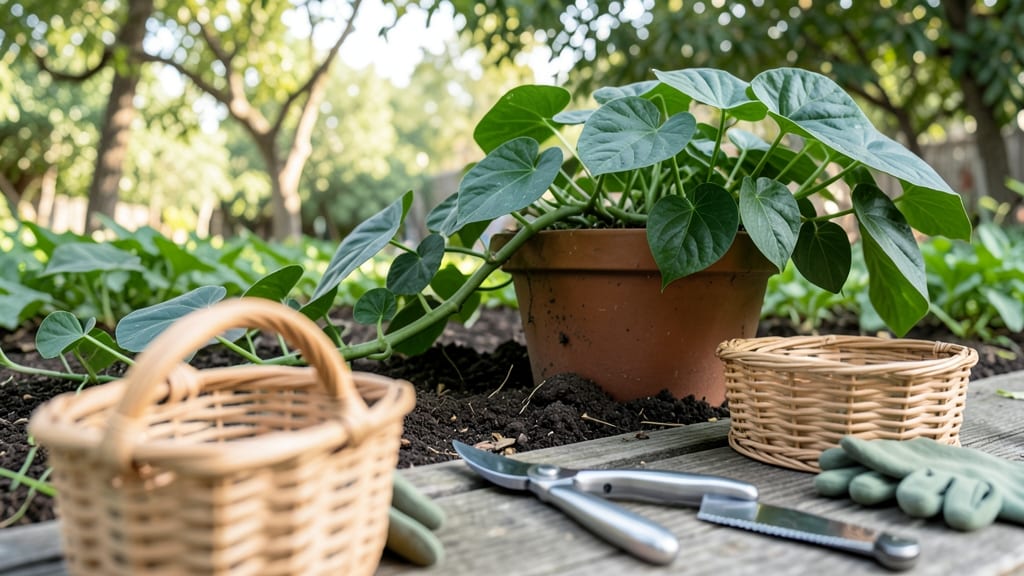
To harvest Malabar spinach, wait until leaves reach 6 inches—that’s when they’re tender, packed with flavor, and ready for picking 🌿.
Picture this: You’ve nurtured your Malabar spinach for months, and now it’s thriving in your garden or containers, but you’re not sure when to snip those lush leaves. Harvesting too early means tough, bitter greens, while waiting too long turns them woody.
The key? Timing it just right for a steady supply of delicious, vibrant leaves without stunting the plant.
This fast-growing vine rewards patience—when you harvest correctly, it keeps producing for months. Below, I’ll walk you through the best methods, tools, and post-harvest care to ensure your Malabar spinach stays healthy and bountiful.
You’ll learn how to encourage regrowth, avoid common mistakes, and even troubleshoot issues like yellowing leaves or stunted growth. Ready to turn your garden into a never-ending green harvest?
When and how to harvest Malabar spinach for optimal growth and flavor
Harvesting Malabar spinach at the right time is the secret to a continuous supply of tender, flavorful leaves. Unlike traditional spinach, this tropical vine thrives when you let it grow to 6 inches before picking—this is when its nutrient density and texture peak.
Waiting too long turns leaves tough and bitter, while harvesting too early stunts the plant’s growth potential. The key is balancing leaf maturity with regrowth stimulation.
Seasonal timing matters too. In USDA Zone 6a and warmer, you can harvest year-round, but peak production occurs from July to October when temperatures stay above 60°F. Early spring harvests (April-May) yield tender shoots, while summer harvests provide the most robust growth.
Understanding these cycles helps you plan for a steady harvest schedule without overtaxing the plant.
🌿 Malabar Spinach Harvest Guide
| Harvest Stage | Leaf Size | Texture | Best Method | Regrowth Time |
|---|---|---|---|---|
| Early Harvest | 4-5 inches | Tender but small | Hand-pick outer leaves | 7-10 days |
| Optimal Harvest | 6+ inches | Succulent and bright | Prune 1/3 of plant | 10-14 days |
| Late Harvest | 8+ inches | Tough and bitter | Avoid; trim only | 20+ days |
✂️ Pro Tip: Always harvest in the morning for the freshest flavor and firmest texture.
For optimal flavor and texture, focus on harvesting when leaves reach 6 inches—this is the sweet spot for Malabar spinach. At this stage, the leaves are tender but fully developed, packed with nutrients, and ready for your kitchen.
Use a sharp pair of pruning shears to cut just above a leaf node (the point where leaves attach to the stem). This encourages the plant to branch out and produce more leaves from that node.
There are two primary methods: hand-picking and pruning. Hand-picking works well for small-scale harvests—simply pluck individual leaves, leaving the stem intact. This method is less stressful for the plant but may not stimulate as much regrowth.
For larger harvests, pruning is better: cut back one-third of the plant at a time, focusing on older leaves. This encourages bushier growth and prevents the plant from becoming woody.
Seasonal adjustments are crucial. In summer months (June-August), when growth is rapid, you can harvest every 10-14 days to maintain a steady supply. During spring and fall, when temperatures cool, stretch harvests to every 2-3 weeks to avoid stressing the plant.
Always monitor the leaf color and stem pliability—if leaves turn yellow or stems feel woody, it’s time to adjust your harvesting frequency.
After harvesting, give your Malabar spinach a boost to regrow. Water the plant deeply within 24 hours to replenish moisture lost during cutting. Follow up with a light application of balanced fertilizer (10-10-10) to support new growth.
Avoid heavy fertilizers, which can burn the roots and slow recovery. With proper care, your plant will bounce back with vibrant new leaves in as little as 7-10 days.
One common mistake is over-harvesting, which weakens the plant and reduces future yields. Never remove more than 30% of the plant in a single session, and avoid harvesting the central stem unless absolutely necessary. Another pitfall is harvesting at the wrong time of day.
Always pick leaves in the morning when they’re cool and hydrated, not in the afternoon when they’re wilted from heat. This ensures your greens stay crisp and flavorful.
To maintain continuous production, rotate your harvesting sites if growing multiple plants. This prevents soil depletion and reduces the risk of pest infestations. If you notice yellowing leaves or stunted growth after harvesting, it’s a sign the plant needs more nutrients or less frequent harvesting.
Adjust your schedule and watch your Malabar spinach thrive for months of delicious harvests.
With the right timing and techniques, your Malabar spinach will reward you with a bountiful, year-round harvest. The key is patience—letting leaves reach 6 inches ensures the best flavor while keeping the plant healthy and productive. Whether you’re a <
Step-by-step guide: proper harvesting techniques to avoid stunting your plant
Harvesting Malabar spinach correctly is the secret to a plant that keeps producing lush, tender leaves for months. Unlike many greens, this vine thrives when you prune regularly, but improper techniques can shock the plant and reduce future yields.
The key lies in selective cutting and immediate post-harvest care to encourage rapid regrowth.
Before you begin, gather your tools: a pair of sharp pruning shears (for thicker stems) and clean scissors (for delicate leaves). Avoid dull blades—clean cuts heal faster and prevent disease.
Work during the cool morning hours when leaves are hydrated, making them easier to handle and less prone to wilting.
⚠️ CRITICAL STEP: Never harvest more than one-third of the plant at once. Malabar spinach is a fast regrower, but aggressive harvesting stresses the vine and can lead to yellowing leaves or stunted growth.
Step-by-Step Harvesting Guide
- Step 1: Identify mature leaves (6+ inches long) with bright green color and pliable stems. Avoid harvesting leaves with woody stems or brown edges.
- Step 2: Use clean scissors to cut leaves 1-2 inches above a leaf node. This encourages new growth from the stem's growth points.
- Step 3: For long vines, trim 1/3 of the vine length to promote bushier growth. Cut just above a leaf node to stimulate branching.
- Step 4: Remove any yellow or damaged leaves during harvesting to improve air circulation and prevent disease.
- Step 5: After harvesting, water deeply to replenish moisture lost during cutting. Aim for 1-2 cups per plant in the soil's root zone.
- Step 6: Apply a balanced fertilizer (10-10-10) 24 hours post-harvest to support rapid regrowth. Use 1 tbsp per plant mixed into the soil.
- Step 7: Space plants properly (12-18 inches apart) to reduce competition. If overcrowded, thin seedlings to strongest stems for better air flow.
After harvesting, monitor your Malabar spinach for new growth signs within 7-10 days. If leaves appear small or yellow, increase sunlight exposure (but avoid harsh afternoon sun) and check for underwatering. For container plants, ensure pots have drainage holes and use well-draining soil to prevent root rot.
Pro tip: Rotate harvesting zones if growing multiple plants. This prevents over-stressing any single vine and extends the overall harvest season. With proper care, your Malabar spinach can produce continuously for 6-8 months in warm climates.
Remember, consistency is key. Harvest every 2-3 weeks during peak growing months (spring to fall) to maintain a steady supply of tender greens. Your plant will thank you with vibrant regrowth and a harvest that lasts all season long! 🌿✂️💧