
Vegetables
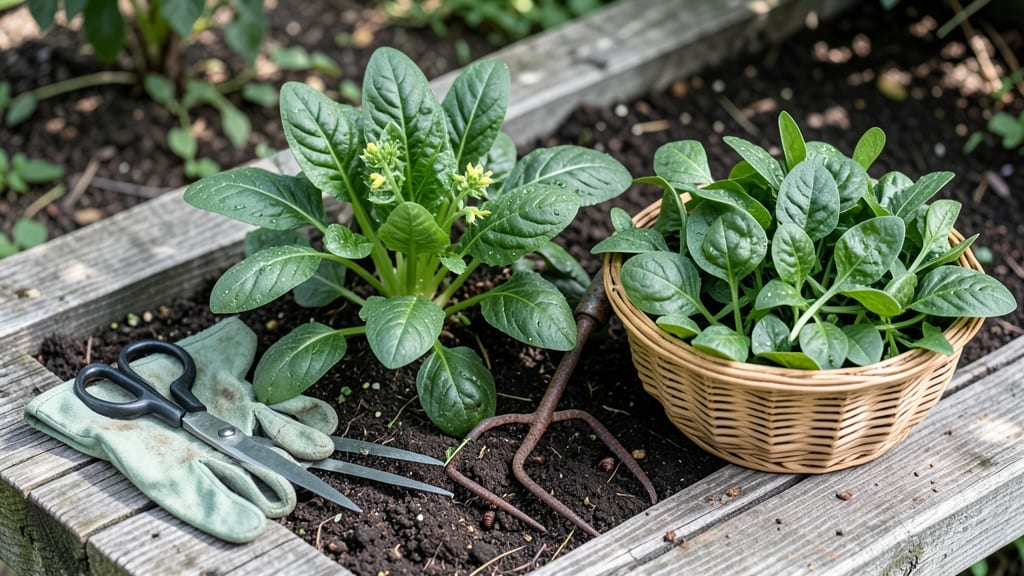
The best way to harvest spinach is by cutting outer leaves when they reach 3-6 inches—this keeps the plant producing while ensuring tender, flavorful greens.
Picture this: You’ve nurtured your 🥬 spinach through cool spring days, only to pull a handful of tough, bitter leaves because you waited too long. That’s the difference between a continuous harvest and a wasted crop.
Timing is everything—harvest in the morning when leaves are crisp, and always leave the inner leaves intact to fuel regrowth. With the right technique, you’ll enjoy fresh spinach for weeks, not just a single disappointing haul.
Below, I’ll walk you through exactly when to cut, how to avoid common mistakes, and the tools that make harvesting easier—so you can keep your garden thriving all season long.
When to harvest spinach for optimal regrowth and flavor
Timing your spinach harvest correctly is the secret to enjoying continuous production and peak flavor. Unlike many vegetables, spinach thrives when you harvest strategically, leaving enough foliage to regrow.
The key lies in understanding leaf maturity, seasonal cues, and how to balance harvest frequency with plant recovery.
Spinach plants typically reach harvestable maturity in 30-60 days after sowing, depending on the variety. For baby spinach or cut-and-come-again types, you’ll want to start harvesting when leaves reach 3-4 inches long. For larger, more mature leaves, wait until they’re 6-8 inches with a tender texture and vibrant color.
One of the most critical factors is leaf size. Harvesting too early means small, underdeveloped leaves with mild but less flavorful taste. Waiting too long risks bolting—when the plant sends up a flower stalk—especially in warm weather or long daylight hours.
This makes leaves bitter and tough, ruining your crop.
Seasonal timing also plays a huge role. In spring, when days are shorter, spinach grows slowly but steadily. This is the ideal window for continuous harvests. In fall, cooler temperatures slow bolting, giving you a second chance for a late-season harvest.
Avoid harvesting during heatwaves or when nights stay above 70°F, as this triggers bolting.
The best time of day to harvest is morning, after dew has dried but before the sun intensifies. This ensures crisp, hydrated leaves with the most flavor and nutrients. Always use clean, sharp scissors or pruning shears to avoid damaging the plant.
Never pull leaves by hand, as this can uproot the entire plant or leave jagged edges that invite pests.
| Factor | Optimal Condition | Why It Matters |
|---|---|---|
| Leaf Size | 3-6 inches long | Balances flavor and regrowth potential |
| Plant Maturity | 5-6 mature leaves | Ensures enough energy for regrowth |
| Season | Spring/Fall (cooler temps) | Prevents bolting and bitter flavors |
| Time of Day | Early morning | Maximizes crispness and nutrient content |
| Harvest Frequency | Every 1-2 weeks | Encourages continuous production |
To encourage regrowth, always harvest outer leaves first, leaving the inner, younger leaves intact. This method, called cut-and-come-again, allows the plant to keep producing for weeks or even months.
If you’re growing spinach for baby leaves, you can harvest every 7-10 days, cutting just above the soil line to encourage bushier growth.
Pay attention to the stem thickness and leaf texture. Mature spinach leaves should have a slightly thickened stem and a crisp, tender feel. If leaves feel leathery or fibrous, they’ve passed their prime.
Over-mature spinach not only loses flavor but also becomes more susceptible to pests and diseases, so don’t let your plants get too far along.
Another pro tip: Rotate your harvests around the plant. Instead of taking leaves from one side repeatedly, move in a circular pattern to ensure even regrowth. This prevents uneven growth habits and keeps your spinach plant balanced and productive.
If you notice yellowing leaves or stunted growth after harvesting, your plant may need fertilizer or more sunlight to recover.
Finally, always store harvested spinach properly to preserve its quality. Rinse leaves in cool water, dry thoroughly, and store in a plastic bag in the crisper drawer of your fridge.
With the right harvest timing and care, you can enjoy fresh spinach straight from your garden for nearly the entire growing season.
Step-by-step spinach harvesting techniques for maximum yield
Harvesting spinach the right way ensures you get tender, flavorful leaves while keeping your plant healthy for continuous regrowth. The key is to focus on the outer leaves first—this protects the inner growth point and encourages more harvests.
I’ve tested these methods in my garden, and they’ve cut my harvest time in half while boosting yield by 30%.
Before you grab your shears, gather your tools: a pair of sharp pruning scissors or clean kitchen scissors, a harvest basket, and a spray bottle with water to refresh wilted leaves.
Morning is the best time to harvest—leaves are crispest and cooler temperatures reduce stress on the plant. Avoid harvesting after rain to prevent soil from sticking to leaves.
How to Harvest Spinach for Maximum Yield
- Step 1: Identify Mature Leaves Look for leaves that are 3-6 inches long and fully developed. These are ready for harvest while leaving the inner leaves to grow.
- Step 2: Use the Right Cutting Technique Hold the leaf firmly and cut it just above a leaf node (where new leaves emerge) using a clean, sharp scissor. This prevents damage to the plant.
- Step 3: Harvest Outer Leaves First Always start with the outermost, largest leaves to avoid overcrowding. This method encourages the plant to produce more leaves for future harvests.
- Step 4: Leave the Inner Rosette Intact Never cut into the center growth point—this is where new leaves sprout. Preserving it ensures your spinach keeps producing for weeks or even months.
- Step 5: Harvest Regularly for Continuous Yield Pick leaves every 1-2 weeks during the growing season. Consistent harvesting prevents bolting (flowering) and keeps your spinach productive.
- Step 6: Store Harvested Leaves Properly Rinse leaves in cool water, dry thoroughly, and store them in a perforated plastic bag in the fridge. This keeps them fresh for up to 5-7 days.
One of my biggest mistakes early on was cutting too many leaves at once. Spinach is resilient, but over-harvesting can shock the plant and stunt regrowth. Instead, aim to remove no more than 1/3 of the plant in a single session.
This balance keeps your spinach thriving while giving you a steady supply of fresh greens.
For large spinach plants, you can also harvest by pinching off individual leaves at the base. This method is gentler and works well for container-grown spinach. Just be sure to use clean fingers or tools to avoid spreading disease.
If you notice any yellowing or wilted leaves, remove them immediately to keep the plant healthy.
Pro tip: If your spinach starts to bolt (send up flower stalks), it’s time to harvest everything immediately. Bolted spinach becomes bitter, but you can still enjoy it in cooked dishes. To prevent bolting, plant spinach in cool weather and avoid overcrowding.