
How To
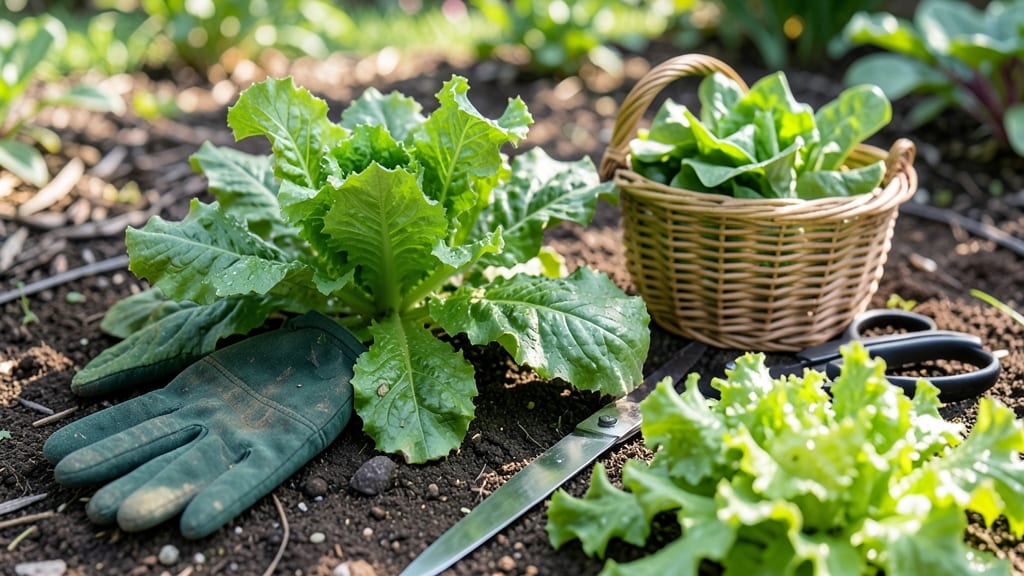
To harvest loose leaf lettuce 🥬 at its peak, wait until outer leaves reach 4 inches—that’s when you get tender, continuous regrowth instead of bitter stalks.
If you’ve ever wondered why your loose leaf lettuce keeps growing tall and bitter instead of producing fresh, tender leaves, the answer lies in when and how you harvest.
Harvesting at the right time isn’t just about timing—it’s about cutting correctly to keep your plants happy and productive.
In this guide, I’ll walk you through the exact steps to harvest your lettuce, from the right tools to use to how to encourage regrowth for a never-ending salad supply.
When and how to harvest loose leaf lettuce for maximum yield and regrowth
Harvesting loose leaf lettuce at the right time transforms your garden into a never-ending salad bowl. The key is patience—wait until the outer leaves reach 4 inches in length before cutting. This timing ensures tender, flavorful leaves while allowing the plant to regrow new foliage.
If you harvest too early, you’ll miss out on full-sized leaves, and if you wait too long, the lettuce may bolt or develop bitter flavors.
Proper harvesting techniques are just as important as timing. Using the right tools and cutting method prevents damage to the plant, encouraging continuous growth. I’ve learned that a sharp pair of scissors or pruning shears makes all the difference—dull blades can tear leaves and invite disease.
Plus, cutting leaves at the right angle helps the plant heal faster and keeps producing fresh growth.
Here’s the step-by-step process I follow to harvest my loose leaf lettuce without stressing the plant:
Harvest when the outer leaves reach 4 inches long. This ensures they’re fully mature but still tender. Use your fingers to gently pinch or cut the largest outer leaves first.
Use clean, sharp scissors or pruning shears to avoid tearing leaves. A small knife works too, but always sterilize it with rubbing alcohol to prevent bacterial spread.
Make your cut just above a leaf node (where new leaves emerge). This encourages the plant to regrow from that point. Avoid cutting into the inner rosette of leaves.
Never remove more than 1/3 of the plant at once. The inner leaves should stay untouched to keep the plant healthy and producing. Think of it like trimming a bush—you want to maintain its shape and vigor.
Check your lettuce every 3-5 days for new harvestable leaves. Consistency is key—regular harvesting prevents bolting (when the plant sends up a flower stalk) and keeps your lettuce sweet and tender.
After harvesting, rinse leaves in cool water and pat them dry. Store in a plastic bag with a paper towel in the fridge for up to 5 days, or use them fresh in salads, wraps, or sandwiches.
One of my biggest mistakes early on was harvesting too close to the base of the plant. This damaged the growing point and slowed down regrowth. Now, I always leave at least 1-2 inches of stem attached to the leaf I’m cutting.
This small adjustment has made a huge difference in how quickly my lettuce recovers and produces new leaves.
Timing your harvests also depends on the time of year. In spring and fall, when temperatures are cooler, lettuce grows more slowly, so you might harvest every 5-7 days.
During warm weather, growth speeds up, and you could be harvesting every 3-4 days. Pay attention to your plant’s signals—if it’s growing fast, it’s ready for frequent harvests!
After harvesting, give your lettuce a little post-harvest care to keep it thriving. Water the soil lightly to help it recover, and consider adding a balanced fertilizer (like 5-10-10) if the leaves look pale or growth slows down.
I’ve found that a thin layer of compost around the base also encourages regrowth by providing nutrients without overwhelming the plant.
If your lettuce starts to bolt (sends up a tall flower stalk), it’s a sign you’ve waited too long to harvest or that it’s stressed from heat. To prevent this, harvest aggressively during hot months and provide afternoon shade if possible.
Some varieties, like ‘Black Seeded Simpson’ or ‘Salad Bowl’, are more heat-tolerant and bolt later, making them great choices for summer gardens.
With these techniques, you’ll enjoy a continuous supply of fresh, tender lettuce all season long. The first time I saw my lettuce regrow new leaves just days after harvesting, I was amazed—it’s like having a salad garden that never quits! 🥬
5 Common harvesting mistakes that kill your lettuce’s regrowth potential
Even with perfect timing, harvesting mistakes can turn your lettuce into bitter, leggy plants that refuse to regrow. I’ve made all of these errors myself—some cost me an entire crop! The key is avoiding these five critical mistakes that stifle regrowth and turn your garden into a disappointment.
First, cutting too close to the base is the fastest way to damage your lettuce’s growing point. When you sever leaves right at the stem, you remove the plant’s ability to produce new shoots.
Even a 1-inch gap between your cut and the center leaves makes all the difference in recovery time and regrowth vigor.
Another silent killer is harvesting during extreme heat. Lettuce is a cool-season crop, and when temperatures exceed 80°F (27°C), it goes into survival mode.
Harvesting during peak heat stresses the plant, causing it to bolt or wilt. Always harvest in the early morning when leaves are crisp and hydrated.
⚠️ How to Harvest Loose Leaf Lettuce Without Killing Regrowth
Mistake: Cutting too close to the base or removing more than 1/3 of the plant at once.
Fix: Always leave 1-2 inches of stem attached to each harvested leaf and never take more than 1/3 of the plant in a single harvest. Use clean, sharp scissors and cut just above a leaf node.
Why it matters: This preserves the plant’s energy reserves and growing points, ensuring continuous regrowth for weeks or even months.
Ignoring leaf maturity is another common trap. Harvesting leaves that are too small (under 3 inches) means you’re depriving the plant of energy it needs to grow.
On the flip side, waiting until leaves are over 6 inches risks bitterness and bolting. The 4-inch sweet spot balances harvest and regrowth perfectly.
Overwatering after harvest is a subtle but deadly mistake. While lettuce loves moisture, soggy soil after cutting can suffocate roots and invite rot. Always water lightly after harvesting—just enough to settle the soil without drowning the plant.
I’ve seen lettuce recover beautifully after harvest when given 1 inch of water every 2-3 days instead of daily drenching.
Finally, neglecting soil nutrients after harvest is a recipe for stunted regrowth. Lettuce is a heavy feeder, especially after multiple harvests. Without replenished nitrogen and organic matter, leaves turn pale and growth slows.
After each harvest, top the soil with compost or a balanced fertilizer (5-10-10) to keep your lettuce thriving.
By avoiding these mistakes, you’ll turn your lettuce patch into a self-sustaining salad garden. The first time I corrected these errors, my lettuce regrew so vigorously I couldn’t keep up with the harvest! With the right approach, you’ll enjoy fresh, tender leaves all season long. 🥬