
How To
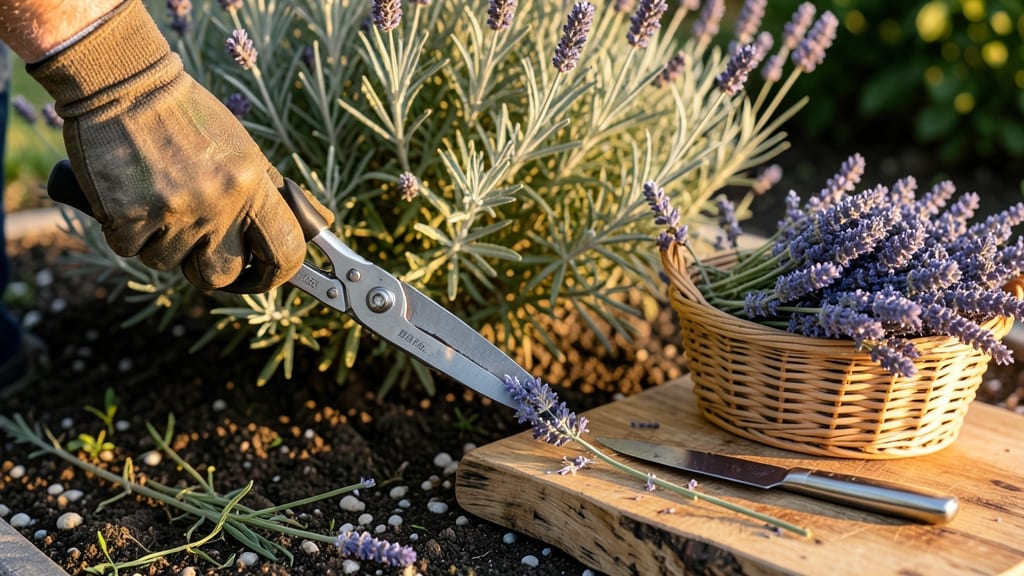
Harvesting lavender at the right stage unlocks its richest oil and fragrance—something that can make or break your homemade sachets or culinary creations.
Picture this: you’ve spent months nurturing your 🌿 lavender, only to snip the stems too late and end up with bitter, weak bundles instead of fragrant gold. The difference between a stellar harvest and a disappointing one often comes down to timing and technique.
In this guide, I’ll walk you through the exact July–September window for peak harvesting in Zone 6a, the tools you’ll need, and how to cut stems without harming your plant’s future growth.
Whether you’re drying bundles for aromatherapy or saving sprigs for cooking, these tips will ensure your lavender stays vibrant and potent.
You’ll also discover the three key signs your lavender is ready to pick—plus how to avoid the most common mistakes that leave your harvests lacking in scent or oil. Let’s get started!
When to harvest lavender for maximum oil and fragrance
Timing your lavender harvest is everything—cut too early, and you’ll miss the peak essential oil content. Harvest too late, and the scent fades while bitterness creeps in.
The best time to harvest lavender depends on its variety and growth stage, but generally falls between July and September in most climates, including USDA Zone 6a.
For English lavender, aim for harvest when 20-30% of buds are open but still vibrant. This stage ensures maximum fragrance intensity and oil potency.
French lavender, like 'Grosso,' thrives when 50% of flowers are open, while Spanish lavender ('Lavandula stoechas') should be harvested when buds just begin blooming—this prevents the stems from becoming woody too quickly.
Morning is your best friend for harvesting. The cool, dew-free air preserves the oils, while afternoon heat can cause them to evaporate. Always harvest on a clear, dry day to avoid fungal risks and ensure even drying later.
Climate plays a role too. In hotter regions, harvest earlier in the season (late June) to avoid stressing the plant. Cooler climates can extend harvests into early October, but stop before the first frost—frozen lavender loses oil potency.
| Lavender Type | Best Harvest Stage | Seasonal Window | Climate Adjustments |
|---|---|---|---|
| English Lavender | 20-30% buds open | July-August | Harvest before heat stress |
| French Lavender | 50% flowers open | July-September | Extend to early October in cool zones |
| Spanish Lavender | Bud stage (just blooming) | Late June-July | Avoid woody stems |
Look for these three key signs your lavender is ready: stems should be pencil-thick and woody, flowers fully open but not yet browned, and a powerful, sweet fragrance when crushed. If you see unopened buds at the base, wait a few days—they’ll develop the richest oils once open.
Never harvest lavender that’s overripe or browned. These stems yield bitter, low-quality oil and won’t dry well. Instead, focus on younger, vibrant growth to keep your plants productive for years. A good rule of thumb: leave at least 3-4 inches of new growth after cutting to encourage regrowth.
For culinary lavender, harvest just before full bloom for a milder, sweeter flavor. Aromatic varieties like 'Munstead' should be harvested at peak bloom for maximum fragrance. Always use clean, sharp shears to avoid crushing stems, which can damage the plant and reduce oil quality.
If you’re unsure whether your lavender is ready, perform the "snap test": bend a stem—if it snaps cleanly, it’s harvest-ready. If it bends without breaking, wait a few more days. This simple trick saves you from harvesting too early and ensures optimal oil extraction later.
Pro tip: Harvest lavender every 6-8 weeks during its peak season to encourage bushier growth. This frequent pruning also prevents the plant from becoming woody and unproductive over time. Just remember—never harvest more than 1/3 of the plant at once!
🌿
Step-by-step lavender harvesting techniques for beginners
Now that you know when to harvest lavender, let’s dive into the how—because proper techniques make all the difference between fragrant bundles and bitter disappointment. The right tools and cutting methods preserve oil potency and keep your plants thriving.
Whether you’re using hand shears or pruning shears, the goal is to harvest stems cleanly without damaging the plant’s growth points.
Start by gathering your tools: sharp, clean shears (pruning shears for thicker stems, hand shears for delicate sprigs), a bucket or basket for immediate collection, and a damp cloth to wipe down tools between cuts.
Avoid using dull scissors—they crush stems and release bitter compounds. Work in the early morning when oils are most concentrated and temperatures are cool.
- 1 Select healthy stems with woody bases and open flowers. Avoid stems with brown or damaged leaves.
- 2 Cut stems at a 45-degree angle, leaving 3-4 inches of new growth. This encourages bushier regrowth and prevents woody stems.
- 3 Gather 10-15 stems into small bundles, securing them with a rubber band or twine. Tie bundles loosely to allow air circulation during drying.
- 4 Hang bundles upside down in a dark, dry, well-ventilated space (like a closet or shed). Avoid direct sunlight, which can bleach the color and degrade oils.
- 5 Dry lavender for 2-3 weeks until stems are crisp and brittle. Check weekly—over-drying can turn stems brittle and crumbly.
- 6 Store dried lavender in airtight containers (glass jars or fabric sacks) away from light. Label with the harvest date—properly stored lavender retains fragrance for up to 12 months.
For lay-drying, spread stems in a single layer on a screen or mesh tray in a dry, shaded area. Flip stems weekly to ensure even drying.
This method works well for small batches but requires more space. Whichever technique you choose, never rush drying—rushed lavender loses oil potency and turns dusty.
After harvesting, give your lavender plants a light watering (if soil is dry) and a balanced fertilizer (5-10-10) to encourage regrowth. Avoid heavy fertilizers, which can reduce oil quality in future harvests.
With proper care, your lavender will reward you with multiple harvests per season and fragrant bundles for years to come.
🌸